‘Mega-Industrial’ Trawlers Threaten Europe’s Ocean Health
PUBLISHED Oct 1, 2026, 9:46 AM ET
Read, Watch or Listen
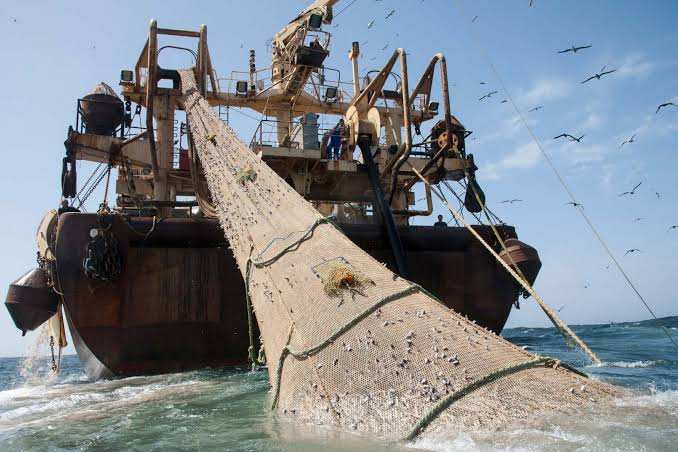
A study released by marine conservation group BLOOM reveals that 638 mega-industrial trawlers, representing just one percent of Europe's total fishing fleet, harvest more than half of all fish caught by European vessels. Measuring 108 feet or longer, these super-trawlers cause extensive marine damage through non-selective bycatch, benthic habitat destruction, and significant carbon emissions from seabed disruption. Furthermore, distant-water operations average 2,600 miles from home ports, putting economic pressure on small-scale fishers in West Africa and Europe who constitute 99 percent of the fishing workforce. The European Union allocates over $100 million annually to secure access rights in foreign coastal waters for these vessels. Conservation advocates and local fishing representatives are urging the European Parliament to allocate $3 billion to decommission these industrial vessels by 2035, advocate for vessel length caps at 108 feet, and reallocate harvest quotas to lower-impact coastal fishers to facilitate ocean recovery.
By Noormahi M. | JQJO News
Timeline of Events
- On 2013 CFP reform mandated sustainable maximum sustainable yield target limits.
- On 2019 EU prohibited bottom trawling below 800 meters depth.
- On 2021 global studies highlighted carbon released by deep bottom trawling.
- On 2023 EU outlined action plan to protect marine ecosystem health.
- On 2024 West African coastal groups protested foreign industrial trawler activity.
- On 2025 NGOs published analysis on super-trawler capacity and environmental impact.
- On October 1 2026 conservation coalitions formally petitioned European Parliament for decommissioning.
- On October 1 2026 small-scale fishing unions endorsed proposed 108-foot length restrictions.
- On October 1 2026 European fisheries committee scheduled initial preliminary policy discussions.
- European Parliament expected to debate fishing fleet modernization and quota reallocation.
News Intelligence
- Immediate US impact: Imports of European seafood face heightened scrutiny regarding sustainable harvesting.
- Possible long-term US impact: US fishery regulators may adopt similar vessel length restriction standards.
- Most affected groups: Commercial fishing companies, small-scale fishers, marine ecosystems, and seafood consumers.
- Reader priority: Monitor official European Parliament legislative responses and fishing quota proposals.
Coverage of Story:
From Left
Mega-Industrial Trawlers Threaten Europe Ocean Health
Inside Climate News BLOOM Association Le Monde Washington Post Greenpeace International Greenpeace Canada Deep Sea Conservation Coalition Ocean GeographicFrom Center
Conservationists push EU to ban mega-trawlers and overhaul fishing quotas
Reuters Euronews Politico Europe Financial Times Associated Press Bloomberg NBC News Seattle Times Miami Herald Chicago Tribune Houston Chronicle World Wildlife Fund Marine Conservation Society Marine Policy Journal SeafoodSource Sea Technology Magazine International Maritime Digest Marine Ecology Progress SeriesFrom Right
Industry disputes claims that mega-trawlers harm European fishing efficiency
Wall Street Journal National Fisherman


Comments