Atlantic Basin Approaches 121-Year Record for Latest First Hurricane
PUBLISHED Oct 1, 2026, 4:47 AM ET
Read, Watch or Listen
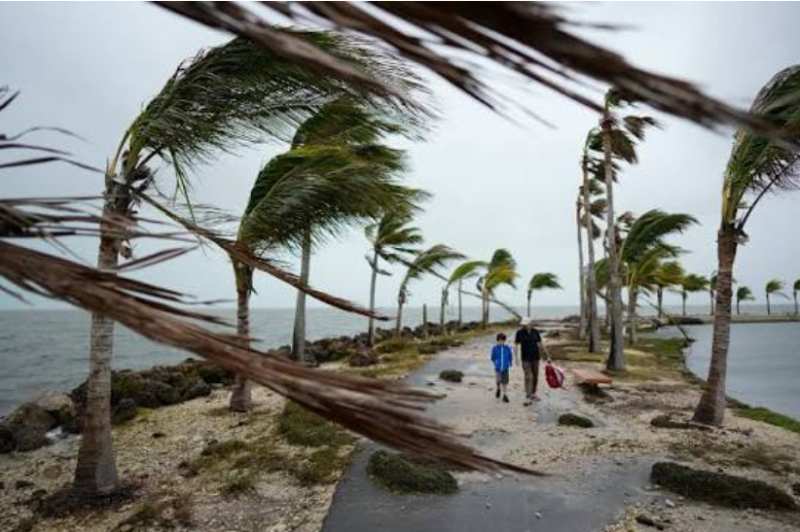
The 2026 Atlantic hurricane season has entered unprecedented meteorological territory, approaching a historic multi-decadal record for the latest formation of the season's first hurricane. Driven by an exceptionally strong El Niño event producing robust vertical wind shear across the tropical Atlantic, the basin remained entirely free of hurricanes deep into September, mirroring conditions not observed in over a century. While tropical storms formed earlier in the summer, atmospheric steering currents and stable air masses effectively suppressed organized hurricane development through the historical climatological peak of the season on September 10. Forecasters and meteorologists at the National Hurricane Center and AccuWeather note that while the prolonged quiet stretch highlights the powerful dampening effects of El Niño, the remainder of the season still carries potential risks as sea surface temperatures remain elevated.
By Neha R. | JQJO News
Timeline of Events
- On June 1, 2026, The official Atlantic hurricane season commenced with standard seasonal forecasts predicting varying levels of activity.
- On August 6, 2026, NOAA updated its seasonal outlook, reflecting a sluggish start to tropical development.
- On September 10, 2026, The Atlantic basin reached its climatological peak without registering a single hurricane.
- On September 12, 2026, Meteorological analysts highlighted a record-breaking late start compared to the modern satellite era.
- On September 21, 2026, The season surpassed a 112-year threshold, marking the latest date without a hurricane since 1914.
- On September 30, 2026, AccuWeather and tracking agencies reported the basin approaching a 121-year historical record marker.
- On October 1, 2026, Forecasters continued monitoring persistent wind shear and El Niño impacts across the tropical Atlantic.
News Intelligence
- Immediate US impact: Public awareness heightened regarding unusual tropical quietness and El Niño climate drivers.
- Possible long-term US impact: Climatologists study anomalous atmospheric interactions to improve long-range seasonal hurricane forecasting models.
- Most affected groups: Emergency management officials, coastal residents, meteorologists, and insurance sector analysts.
- Reader Prioritization: Prioritize official advisories from the National Hurricane Center, NOAA bulletins, and verified meteorological reports.
Coverage of Story:
From Center
Associated Press News Hub
Associated Press Reuters AccuWeather National Hurricane Center The Weather Channel CBS News NBC News NPR BBC News Washington Post New York Times Los Angeles Times USA Today Bloomberg Wall Street Journal Newsweek Time Axios Politico The Hill Weather Underground NASA Earth Science Nature Scientific American CBC News ABC News Australia Al Jazeera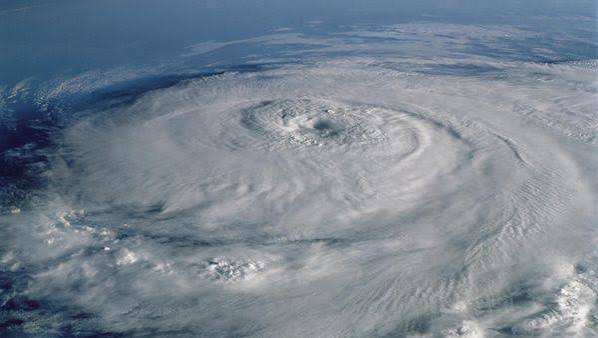





Comments