Red-state Democrats veer right on transgender issues, sparking backlash
Tap title to read story
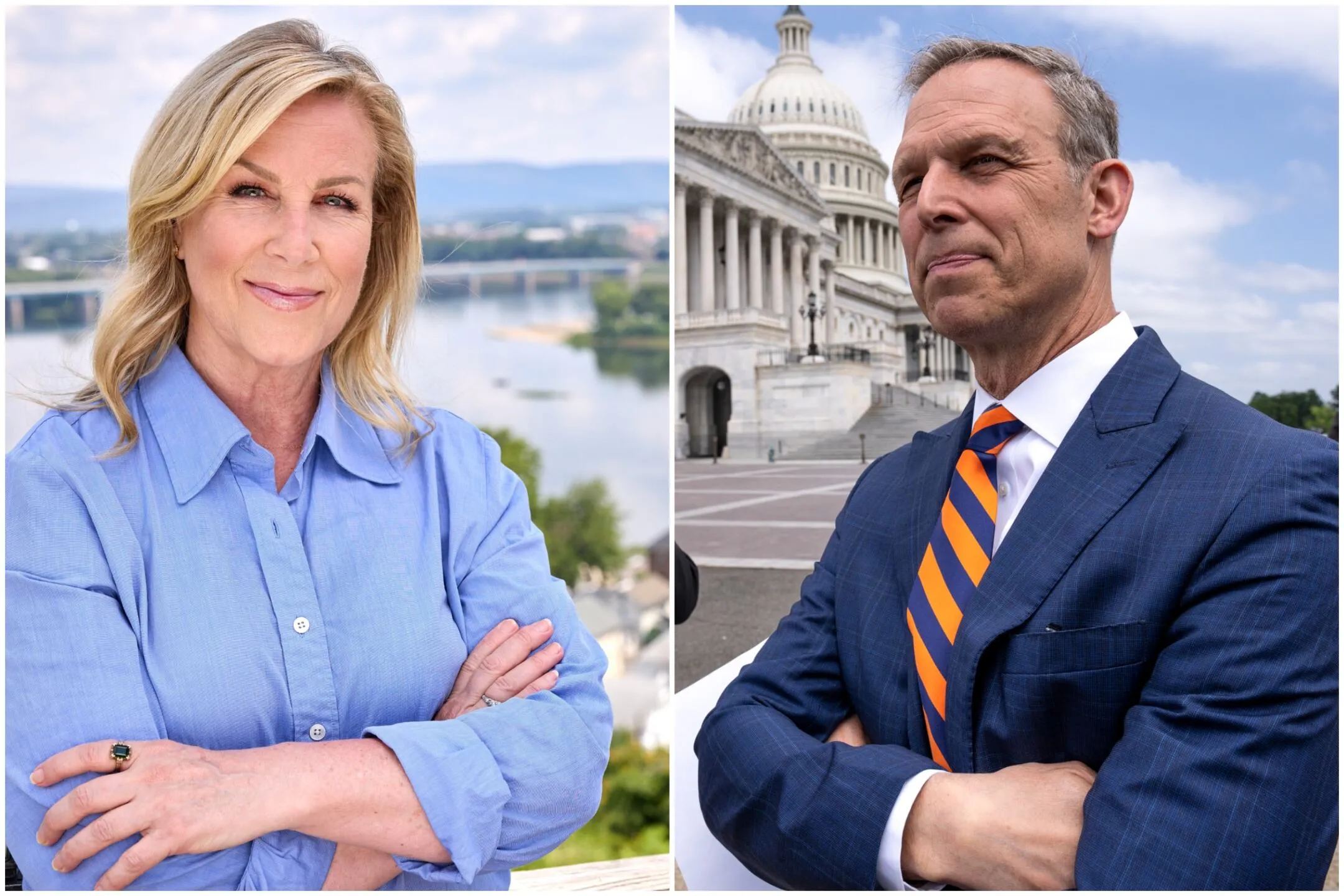
Moderate and red-state Democrats are increasingly adopting conservative rhetoric and aligning with Republicans on transgender legislation, including school policies and sports restrictions. This strategic realignment aims to appeal to centrist voters and insulate candidates from heavy conservative messaging in conservative districts. However, the shift has triggered intense internal friction and sharp rebukes from progressive wings, local party organizations, and LGBTQ+ advocacy groups. Critics argue that compromising on civil rights abandons vulnerable communities, alienates the core progressive base, and fails to yield promised electoral benefits. This debate exposes a broader national dilemma for the Democratic Party as leaders weigh how to counter wedge issues without fracturing their coalition. Prominent examples highlight how localized survival strategies clash with national platform commitments, leaving party strategists searching for a unified messaging approach ahead of upcoming election cycles.
Moderate and red-state Democrats are increasingly adopting conservative rhetoric and aligning with Republicans on transgender legislation, including school policies and sports restrictions. This strategic realignment aims to appeal to centrist voters and insulate candidates from heavy conservative messaging in conservative districts. However, the shift has triggered intense internal friction and sharp rebukes from progressive wings, local party organizations, and LGBTQ+ advocacy groups. Critics argue that compromising on civil rights abandons vulnerable communities, alienates the core progressive base, and fails to yield promised electoral benefits. This debate exposes a broader national dilemma for the Democratic Party as leaders weigh how to counter wedge issues without fracturing their coalition. Prominent examples highlight how localized survival strategies clash with national platform commitments, leaving party strategists searching for a unified messaging approach ahead of upcoming election cycles.
More context
Timeline
- On November 5 2024 Election campaigns heavily featured conservative messaging on transgender school policies.
- On January 15 2025 Red-state Democratic lawmakers began proposing alternative legislative compromises.
- On March 10 2025 Progressive advocacy groups issued formal rebukes against moderate congressional candidates.
- On June 22 2025 National party leaders debated coalition strategies during summer caucus meetings.
- On September 14 2025 Local party organizations debated withholding endorsements from shifting candidates.
- On November 8 2025 Off-year election results provided mixed data on messaging effectiveness.
- On February 3 2026 State legislative sessions introduced new sports restriction bills nationwide.
- On May 19 2026 National committees released updated guidance memos for vulnerable incumbents.
- On August 27 2026 Intra-party friction intensified following high-profile primary debate exchanges.
- On September 30 2026 Analysts evaluated ongoing strategic shifts across battleground congressional districts.
Why it matters
Immediate US impact: Intensifies intra-party debate over civil rights and electoral strategy. Possible long-term US impact: Shapes party coalition alignment and national legislative priorities. Most affected groups: LGBTQ+ communities, moderate candidates, progressive activists, and national strategists. Reader priority: Compare local candidate statements against official party platform positions.
Coverage notes
Left: Highlights civil rights concerns and risks of alienating voters. Center: Reports electoral pressures and internal party friction objectively. Right: Emphasizes pragmatic political survival and conservative policy momentum.
Primary report
Red-state Democrats adopt conservative transgender stances, sparking internal party backlash.
Sources
JQJO Editorial Desk · Human reviewed · AI assisted. Report a correction.