The Atlantic hurricane season has been so quiet it’s unprecedented
Tap title to read story
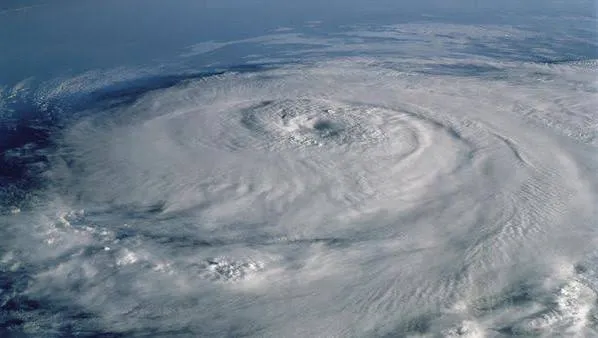
The 2026 Atlantic hurricane season has recorded an unprecedented period of inactivity, marking the latest date in recorded meteorological history since 1914 without a formed hurricane by late September. Overall tropical cyclone activity across the basin remains approximately 90 percent to 94 percent below normal seasonal averages. Meteorologists attribute this historic lull to persistent atmospheric and oceanic conditions, notably a strong El Niño pattern generating severe vertical wind shear that disrupts tropical system formation. Furthermore, extensive layers of dry Saharan air have continually suppressed convective development needed for storm intensification. While statistical peak activity typically occurs around September 10, National Weather Service and National Hurricane Center forecasters caution that the season continues through November 30. Operational history demonstrates that quiet overall seasons can still produce severe weather, citing catastrophic single-storm events like 1992's Hurricane Andrew. Atmospheric conditions are being closely monitored for potential late-season activity changes across Atlantic coastal zones.
More context
Timeline
- On 1914-09-30 previous record set for quietest late September start.
- On 1992-08-24 Hurricane Andrew strikes after slow hurricane season start.
- On 2026-06-01 2026 Atlantic hurricane season officially begins nationwide.
- On 2026-09-10 statistical peak of Atlantic hurricane season passes quietly.
- On 2026-09-25 112 year historic hurricane inactivity threshold is surpassed.
- On 2026-09-30 storm development activity remains 90 percent below average.
- On 2026-09-30 powerful El Nino creates high vertical wind shear.
- On 2026-09-30 Saharan dry air suppresses convection in tropical Atlantic.
- On 2026-10-15 potential late season tropical developments monitored by meteorologists.
- On 2026-11-30 official conclusion of 2026 Atlantic hurricane season.
Why it matters
Immediate US impact: Reduced immediate coastal storm disruption and emergency management strain nationwide. Possible long-term US impact: Uncertain long-term disaster readiness and delayed infrastructure risk assessments. Most affected groups: Coastal residents, emergency management agencies, maritime transport, and insurers. Reader priority: Monitor official National Weather Service updates rather than viral speculation.
Coverage notes
Left: Highlights meteorological drivers and climate context behind reduced storm activity. Center: Reports factual statistics on hurricane suppression and official forecaster warnings. Right: Emphasizes relief for infrastructure and failure of severe storm predictions.
Primary report
National Hurricane Center issuing seasonal storm monitoring summary on 2026-09-30
Sources
- Washington Post
- The New York Times
- National Public Radio
- Politico
- Axios
- San Francisco Chronicle
- HuffPost
- The Atlantic
- Associated Press
- Reuters
- Wall Street Journal
- USA Today
- Bloomberg
- The Hill
- Miami Herald
- Houston Chronicle
- Orlando Sentinel
- Sun Sentinel
- New Orleans Times-Picayune
- Charleston Post and Courier
- Virginian-Pilot
- AccuWeather
- Forbes
- MarketWatch
- Financial Times
- Jacksonville Florida Times-Union
- Palm Beach Post
- Savannah Morning News
- Mobile Real-Time News
- Biloxi Sun Herald
- Corpus Christi Caller-Times
- Washington Times
- Daily Caller
- National Review
- Newsmax
- The Daily Wire
- nhc.noaa.gov
JQJO Editorial Desk · Human reviewed · AI assisted. Report a correction.