Mass Heat Wave Deaths in Europe Show Climate Extremes Are Outpacing Adaptation Efforts
PUBLISHED Sep 30, 2026, 10:36 AM ET
Read, Watch or Listen
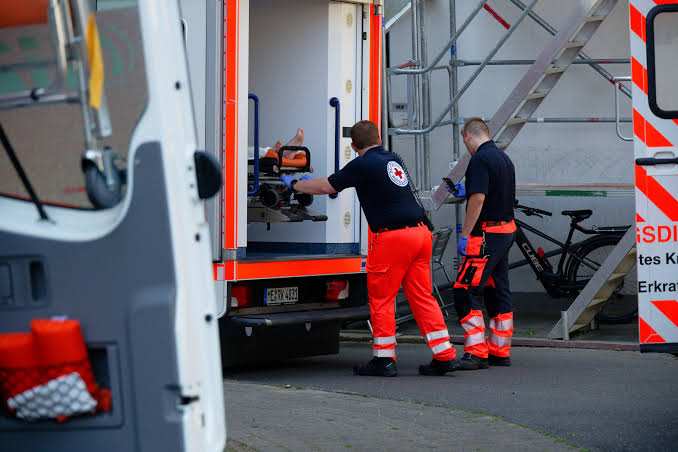
Severe and prolonged summer heat waves across Europe have triggered tens of thousands of excess deaths, exposing deep vulnerabilities in public health and emergency infrastructure. Researchers note that rising global temperatures and climate extremes are heavily outpacing current local adaptation efforts. Back-to-back summer thermal events caused estimates exceeding 35,000 to 45,000 region-wide deaths, with approximately 16,000 fatalities occurring in Germany alone between May and August. Medical facilities faced severe operational pressures, including failing cooling systems, malfunctioning equipment, and sleep-deprived personnel, while emergency call volumes surged by up to 50 percent in urban centers such as Paris and London. Institutional preparedness remains highly fragmented, lacking unified heat-health action plans. Vulnerable groups, particularly older adults aged 75 and older who accounted for roughly 60 percent of heat-related hospital admissions, bore the heaviest burden. Climate scientists warn that extreme temperatures are arriving significantly faster than projected models, threatening global regions with systemic collapse unless infrastructure upgrades accelerate rapidly.
By Noormahi M. | JQJO News
Timeline of Events
- On May 1, 2026 early seasonal high temperature records began emerging.
- On June 15, 2026 meteorologists issued severe thermal warnings for territories.
- On July 10, 2026 emergency medical calls surged significantly throughout hubs.
- On July 22, 2026 hospital cooling system failures disrupted patient care.
- On August 5, 2026 German health authorities confirmed seasonal excess deaths.
- On August 18, 2026 researchers published mortality data exceeding climate projections.
- On August 30, 2026 public health agencies called for action plans.
- On September 10, 2026 urban planners reviewed systemic infrastructure vulnerabilities.
- On September 20, 2026 international scientists evaluated rapid thermal emergency protocols.
- On September 30, 2026 experts emphasized adaptation efforts continue lagging extremes.
News Intelligence
- Immediate US impact: Highlights domestic vulnerabilities regarding urban heat island emergency preparedness.
- Possible long-term US impact: Accelerates federal investments in resilient municipal power and cooling infrastructure.
- Most affected groups: Older adults, outdoor laborers, and low-income urban residents lacking air conditioning.
- Reader priority: Monitor official meteorological advisories and local municipal heat emergency response updates.
Coverage of Story:
From Left
No left-leaning sources found for this story.
From Right
No right-leaning sources found for this story.





Comments