As heat becomes more extreme, inmates are increasingly threatened by rising temperatures
Tap title to read story
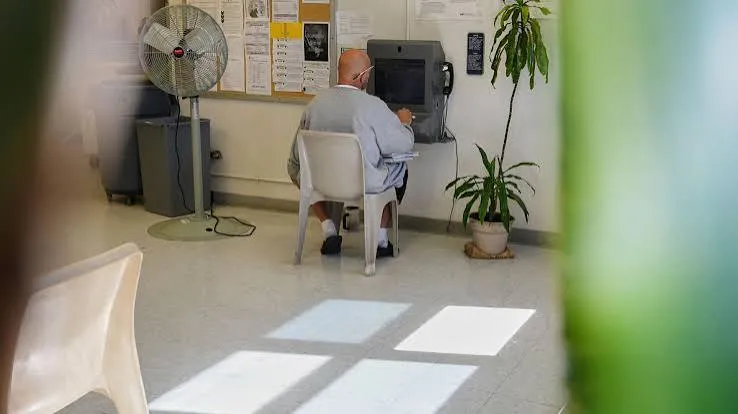
Escalating global heat waves have intensified safety and human rights concerns across United States correctional facilities. Incarcerated individuals lack control over their thermal environments, exposing them to severe health risks in older concrete and steel structures lacking universal climate control. Prolonged exposure triggers heat exhaustion, heatstroke, and exacerbates chronic cardiovascular and respiratory conditions. Additionally, research establishes a direct correlation between extreme indoor temperatures and increased institutional volatility and violence. Advocates urge structural facility retrofits, universal air conditioning, and enhanced hydration protocols to protect vulnerable populations. State and federal corrections departments face mounting pressure to establish enforceable temperature thresholds to safeguard inmate health and maintain institutional security amidst rising global temperatures.
More context
Timeline
- On June 12 2024 Federal researchers documented extreme indoor heat spikes across older correctional institutions nationwide.
- On August 19 2024 Civil rights advocates filed lawsuits challenging unconstitutional facility temperatures in multiple states.
- On May 15 2025 Public health agencies released updated guidelines addressing extreme weather vulnerabilities in prisons.
- On July 22 2025 Correctional administrators reported increased institutional altercations correlating with severe heat waves.
- On September 10 2025 Environmental groups published comprehensive assessments detailing inadequate prison climate control infrastructure.
- On November 4 2025 State legislators proposed new standards mandating climate control in correctional facilities.
- On February 18 2026 Medical researchers highlighted medication complications caused by unmitigated indoor prison heat.
- On April 30 2026 Correctional oversight committees reviewed emergency preparedness plans for upcoming summer temperatures.
- On July 14 2026 Intense heat waves drove indoor heat indices well past outdoor levels.
- On September 30 2026 Correctional agencies evaluated ongoing legal and infrastructural challenges regarding thermal safety.
Why it matters
Immediate US impact: Correctional facilities face urgent operational strain and medical emergencies nationwide. Possible long-term US impact: Widespread infrastructure retrofits and enforceable thermal safety standards will emerge. Most affected groups: Incarcerated individuals, correctional staff, public health agencies, and state departments. Reader priority: Focus on verified human rights reports, agency directives, and peer-reviewed health studies.
Coverage notes
Left: Highlight human rights violations and demand immediate government intervention. Center: Focus objectively on infrastructure challenges, public health, and policy. Right: Emphasize institutional security, budget constraints, and operational feasibility.
Primary report
National human rights report highlighted extreme prison heat crises on July 14 2026
Sources
- The Marshall Project
- NPR
- Prison Policy Initiative
- Davis Vanguard
- The 19th
- Reuters
- Associated Press
- The Hill
- Wall Street Journal
- Bloomberg
- Politico
- USA Today
- Chicago Tribune
- Houston Chronicle
- Miami Herald
- Dallas Morning News
- Seattle Times
- Phoenix Gazette
- The Texas Tribune
- The Times of India
- PreventionWeb
- NBC News
- Forbes
- Axios
- The Daily Caller
JQJO Editorial Desk · Human reviewed · AI assisted. Report a correction.