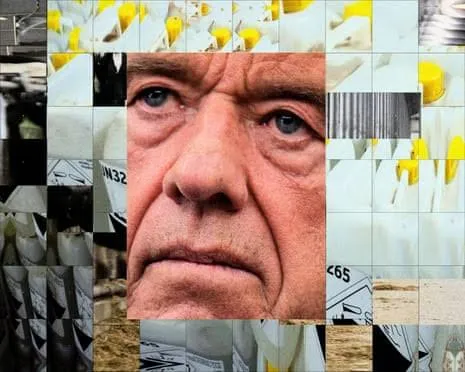
A ‘freaked out’ US food industry is hitting back at Maha – with social media influencers
Tap title to read story
The United States food and beverage industry has increasingly engaged social media influencers to counter the Make America Healthy Again movement. Confronted by mounting public scrutiny over ultra-processed foods, artificial dyes, and chemical additives led by figures like Robert F. Kennedy Jr., major manufacturers view regulatory pressures as an existential threat. Corporations and coalitions, including Americans for Ingredient Transparency, have deployed lifestyle and nutrition content creators to reassure consumers regarding product safety and affordability. This digital strategy operates alongside traditional lobbying efforts challenging state-level ingredient warning laws. Industry messaging frames these regulatory measures as threats to consumer choice and household food budgets. Critics argue that leveraging decentralized online creators obscures scientific consensus and diminishes public trust in established health authorities. The broader clash highlights ongoing tensions between corporate manufacturing practices and emerging public health initiatives across the national market.
More context
Timeline
- On January 20, 2025, Robert F Kennedy Jr advanced public scrutiny concerning processed foods.
- On June 12, 2025, major food manufacturers formed defensive advocacy coalitions nationwide.
- On August 15, 2025, state legislatures introduced new ingredient warning requirements.
- On October 10, 2025, corporate groups initiated targeted digital influencer marketing campaigns.
- On December 05, 2025, consumer advocacy organizations released independent food safety reports.
- On February 18, 2026, food corporations increased lobbying expenditures against state regulations.
- On April 22, 2026, content creators began defending processed foods on social media.
- On June 14, 2026, public health researchers debated industry marketing tactics publicly.
- On August 01, 2026, federal agencies reviewed updated dietary additive safety guidelines.
- On September 30, 2026, industry representatives defended commercial food standards amid ongoing debates.
- Additional policy challenges will emerge across various state legislative sessions next year.
- Federal regulatory agencies will evaluate potential nationwide additive restrictions over coming months.
Why it matters
Immediate US impact: Food manufacturers face immediate pressure regarding ingredient transparency and sales. Possible long-term US impact: Corporations will permanently shift marketing toward decentralized digital influencer partnerships. Most affected groups: Food manufacturing companies, agricultural groups, and health-conscious consumers are most affected. Reader priority: Readers should prioritize verified reporting over sponsored social media content.
Coverage notes
Left: Corporate marketing undermines public health and deceives vulnerable consumers. Center: Industry utilizes digital creators to counter emerging health regulations. Right: Regulations threaten consumer choice, food affordability, and manufacturing jobs.
Primary report
Food industry coalition deploys social media influencers against health movement.
Sources
JQJO Editorial Desk · Human reviewed · AI assisted. Report a correction.