Long After Wildfire Smoke Is Gone, Heavy Metals Could Still Be Harming Survivors’ Lungs
PUBLISHED Sep 29, 2026, 9:52 AM ET
Read, Watch or Listen
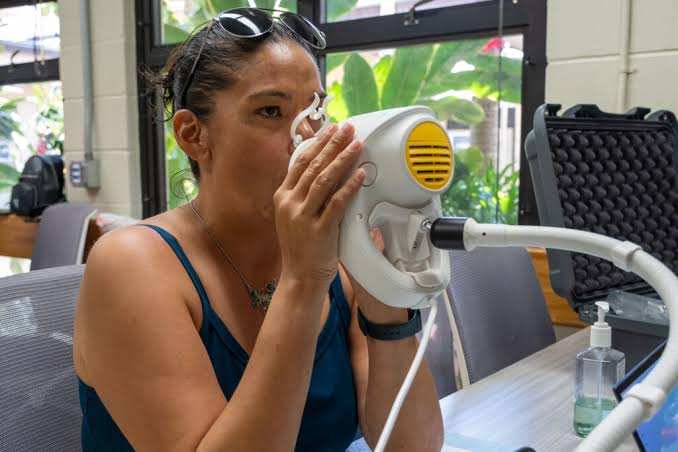
A study published in the Proceedings of the National Academy of Sciences reveals that toxic heavy metal mixtures in ash from the August 2023 Maui wildfires continue damaging survivors' lung health. Researchers conducting the multi-year Maui Wildfire Exposure Study tested participants' urine for 24 metals, finding unusually high concentrations linked directly to abnormal lung function. Because modern wildfires incinerate built environments containing homes, vehicles, and electronics, they release complex chemical hazards extending far beyond standard vegetation smoke. Public health advocates highlight this crisis as a prolonged struggle for communities dealing with chronic conditions and local healthcare provider shortages. Experts stress that managing long-term exposure to toxic residues remains critical as urban-interface fires increase.
By Noormahi M. | JQJO News
Timeline of Events
- On August 8, 2023, devastating wildfires swept across populated areas of Maui.
- On August 9, 2023, emergency responders initiated widespread evacuations throughout affected regions.
- On August 15, 2023, authorities began assessing structural and environmental disaster damage.
- On January 15, 2024, researchers launched the multi-year Maui Wildfire Exposure Study.
- On June 10, 2024, initial clinical screenings began collecting biological samples from survivors.
- On February 12, 2025, laboratory testing identified elevated heavy metal levels in participants.
- On September 14, 2025, data analysis connected metal exposure directly to lung impairment.
- On March 3, 2026, researchers finalized peer-review procedures for the upcoming publication.
- On May 18, 2026, findings were officially published in scientific literature channels.
- On September 29, 2026, experts emphasize long-term healthcare needs for surviving residents.
News Intelligence
- Immediate US impact: Immediate US impact involves heightened health screenings for disaster survivors.
- Possible long-term US impact: Long-term US impact requires updated environmental safety standards for rebuilds.
- Most affected groups: Most affected groups include Maui residents and local healthcare providers.
- Reader priority: Readers should prioritize peer-reviewed scientific studies and official agency releases.
Coverage of Story:
From Left
Study reveals heavy metals in Maui wildfire survivors impacting lungs
The Washington Post San Francisco Chronicle Time The Atlantic HuffPostFrom Center
Study Shows Toxic Metals in Wildfire Ash Harm Lungs
Associated Press Reuters NPR NBC News USA Today The Seattle Times Chicago Tribune Bloomberg Politico The Hill Newsweek Science Forbes AxiosFrom Right
Maui Wildfire Study Links Urban Burn Residues to Lung Damage
The Wall Street Journal The Washington Times Newsmax


Comments