UK shop price inflation slows despite costs pressures, BRC says
Tap title to read story
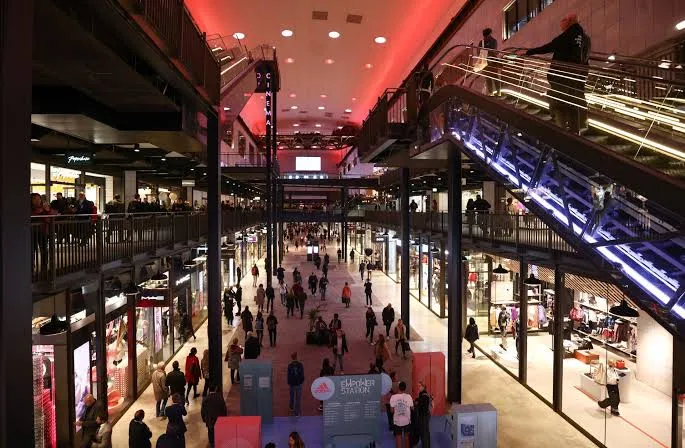
UK shop price inflation slowed to 1.4 percent in September as retailers used targeted promotions and intense competition to sustain consumer demand. The British Retail Consortium reported that lower meat and dairy costs eased overall food inflation, offsetting rising fruit and confectionery prices driven by poor European harvests and global commodity pressures. Despite these adjustments, retail industry leaders warned that escalating operational expenses, including energy bills, employment costs, packaging taxes, and impending business rates, continue to squeeze profit margins. To prevent these mounting financial burdens from transferring directly to shoppers through higher retail prices, industry representatives urged the government to freeze business rate hikes and exempt shops from business rates surtaxes during the upcoming budget. Analysts noted that while this temporary pricing restraint offers immediate relief for household budgets, the long-term sustainability of absorbing these overhead costs remains uncertain without direct fiscal policy intervention or broader stabilization across global supply chains.
More context
Timeline
- On September 1 2024 British Retail Consortium reported previous monthly retail inflation figures.
- On October 1 2024 retail industry leaders warned about rising operational cost burdens.
- On November 1 2024 grocery supply chains faced initial European harvest pressure impacts.
- On December 1 2024 holiday discounting cycles helped stabilize retail consumer price growth.
- On January 1 2025 energy bill adjustments created new pressures for store operators.
- On February 1 2025 employment cost increases began impacting broader retail operating margins.
- On March 1 2025 packaging tax implementations added further financial strain to merchants.
- On April 1 2025 government budget discussions regarding business rates started gaining momentum.
- On May 1 2025 global commodity price shifts altered fruit and confectionery expenses.
- On June 1 2025 back to school discount planning commenced across major chains.
- On September 2 2026 British Retail Consortium announced shop price inflation slowed to 1.4 percent.
- On September 3 2026 industry leaders urged government business rate freezes for the budget.
- Coming months may see government budget policy decisions affecting retail rate structures.
- Future quarters could witness price increases if operational burdens reach consumers.
Why it matters
Immediate US impact: Global commodity shifts impact import costs and domestic consumer prices. Possible long-term US impact: Persistent operational inflation risks forcing higher retail prices across markets. Most affected groups: Retailers and consumers across urban and regional shopping centers nationwide. Reader priority: Monitor financial news and trade association statements for upcoming policy shifts.
Coverage notes
Left: Emphasizes corporate margin squeeze and calls for government tax relief. Center: Reports inflation data neutrally while highlighting competing cost pressures. Right: Focuses on regulatory burdens and business rate impacts on merchants.
Primary report
British Retail Consortium published shop price inflation data on September 2 2026.
Sources
JQJO Editorial Desk · Human reviewed · AI assisted. Report a correction.