Why a spacecraft exploring moons where life may thrive is zipping by Earth
PUBLISHED Sep 28, 2026, 7:39 AM ET
Read, Watch or Listen
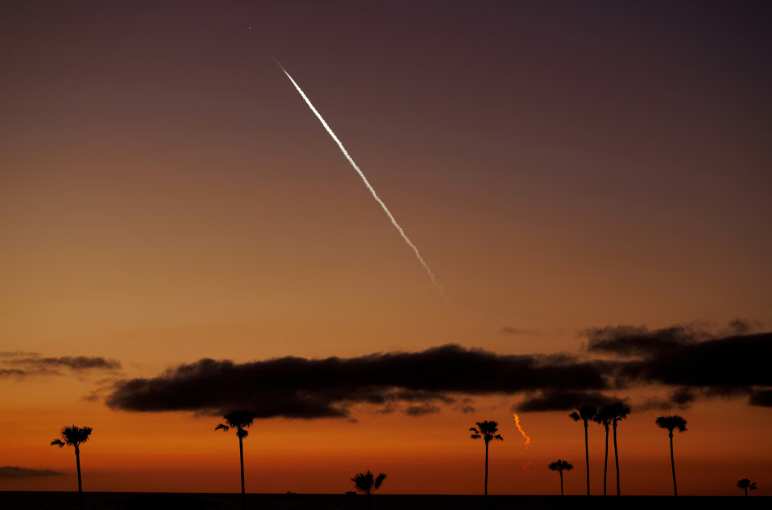
Spacecraft traveling toward the outer solar system to explore potentially habitable, ocean-bearing moons frequently execute gravity assists by flying past Earth. Because launching rockets directly to distant destinations with sufficient fuel is physically impractical, space agencies use close planetary encounters to harness Earth gravitational pull for velocity and trajectory adjustments. This slingshot momentum propels vehicles deeper into deep space while allowing scientists to test and calibrate onboard instruments during extended interplanetary transits. The method preserves critical propellant reserves for orbital insertion and station keeping once missions reach their target destination systems. Planetary flybys also serve as major operational milestones for missions targeting icy bodies such as Jupiter Europa or Ganymede. Space agencies rely heavily on these orbital mechanics techniques to make outer solar system exploration feasible within existing technological and economic constraints.
By Ayesha A. | JQJO News
Timeline of Events
- On October 18 1989 Galileo launched toward Jupiter utilizing multiple planetary gravity assists.
- On December 8 1990 Galileo executed its first Earth gravity assist maneuver successfully.
- On December 8 1992 Galileo completed its second Earth gravity assist en route.
- On August 5 2011 Juno launched toward Jupiter using an Earth gravity assist path.
- On October 9 2013 Juno executed its Earth gravity assist for velocity increase.
- On October 13 2018 BepiColombo launched toward Mercury utilizing Earth and Venus assists.
- On April 10 2020 BepiColombo completed its Earth gravity assist trajectory maneuver.
- On April 14 2023 JUICE launched toward Jupiter utilizing lunar and Earth gravity assists.
- On August 19 2024 JUICE successfully completed a combined lunar and Earth gravity assist.
- On September 28 2026 Agencies continue utilizing Earth gravity assists for interplanetary deep space missions.
News Intelligence
- Immediate US impact: Space agencies enhance deep space mission efficiency using Earth gravity assists.
- Possible long-term US impact: Interplanetary science yields deeper insights into outer solar system ocean worlds.
- Most affected groups: Aerospace engineers space researchers and planetary science institutions are affected.
- Reader priority: Readers should monitor official space agency announcements and technical journal publications.
Coverage of Story:
From Left
Deep space missions and planetary flybys
The Guardian Los Angeles Times The Atlantic PBS NewsHour Mashable Gizmodo Vice Slate Salon Democracy NowFrom Center
Gravity Assist
NASA Jet Propulsion Laboratory European Space Agency Reuters Associated Press Space dot com NASA Science National Geographic Smithsonian Magazine Physics World Science News MIT Technology Review Scientific American Ars Technica Universe Today CNN NPR NBC News ABC News CBS News Fox News Wall Street Journal Bloomberg Forbes Wired New York Times Washington Post USA Today Time Newsweek Axios Politico Financial Times The Economist CNBC Engadget Digital Trends The Hill Foreign Policy



Comments