SpaceX prepares to send Starship rocket to orbit for first time
PUBLISHED Sep 28, 2026, 3:08 AM ET
Read, Watch or Listen
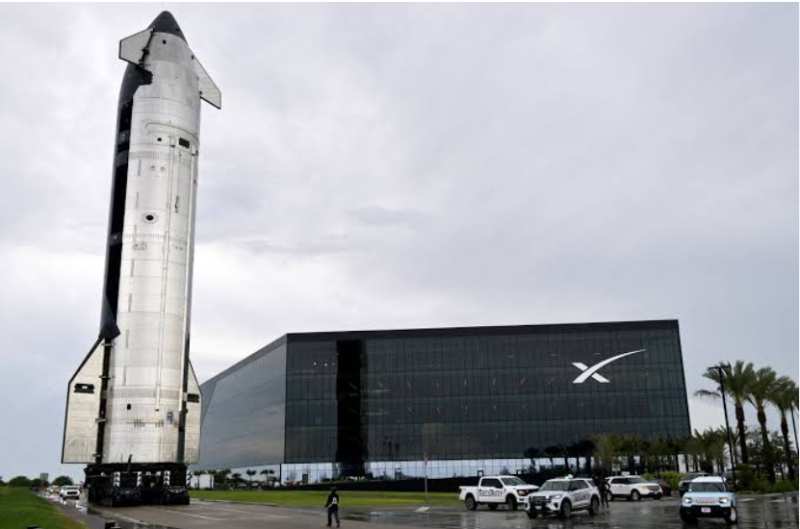
SpaceX is conducting the 14th integrated test flight of its Starship megarocket from Starbase in South Texas, executing the first-ever attempt to send the towering spacecraft into Earth orbit. The U.S. Federal Aviation Administration issued formal license authorization for the launch and reentry operations. Standing 407 feet tall, Starship is the largest and most powerful rocket ever constructed. While previous flights followed suborbital trajectories, Flight 14 shifts the program toward operational capabilities, including orbital insertion and satellite deployment. The Super Heavy booster is scheduled to separate and perform a controlled landing in the Gulf of Mexico, while the upper stage targets an altitude of approximately 275 kilometers to complete multiple orbits and deploy 26 next-generation Starlink V3 satellites. The mission serves as a critical milestone as SpaceX advances toward full reusability and future NASA Artemis lunar missions.
By Neha R. | JQJO News
Timeline of Events
- On April 20 2023 SpaceX conducted the first integrated flight test of Starship from Starbase, Texas.
- On September 26 2026 The U.S. Federal Aviation Administration issued formal license authorization for Starship launch and reentry operations.
- September 28, 2026 — SpaceX prepares and executes the 14th integrated test flight targeting Earth orbit.
- September 28, 2026 — Super Heavy booster scheduled for separation and controlled splashdown in the Gulf of Mexico.
- September 28, 2026 — Starship upper stage scheduled to deploy 26 next-generation Starlink V3 satellites in orbit.
News Intelligence
- Immediate US impact: Advances U.S. commercial space capabilities, regulatory frameworks, and expands domestic high-speed satellite internet capacity.
- Possible long-term US impact: Accelerates progress toward full and rapid rocket reusability and NASA's Artemis lunar landing missions.
- Most affected groups: Aerospace industry stakeholders, satellite internet consumers, and federal space regulators.
- Reader priority: Understanding the commercial space exploration milestone and its impact on global satellite communications.
Coverage of Story:
From Center
SpaceX prepares Starship for historic first orbital test flight
Reuters Bloomberg Associated Press Financial Times Washington Post Forbes USA Today NBC News ABC News Time Seeking Alpha Fortune India CoinPaper UA.News Reuters Bloomberg Wall Street Journal Associated Press Space.com ForbesFrom Right
SpaceX Prepares Massive Starship Rocket for Breakthrough Orbital Flight
Wall Street Journal






Comments