Mideast Oil Exports Rebound in September as Saudi Arabia Boosts Shipments: Global Market Shifts and Direct Impacts on the USA
PUBLISHED Sep 27, 2026, 8:52 PM ET
Read, Watch or Listen
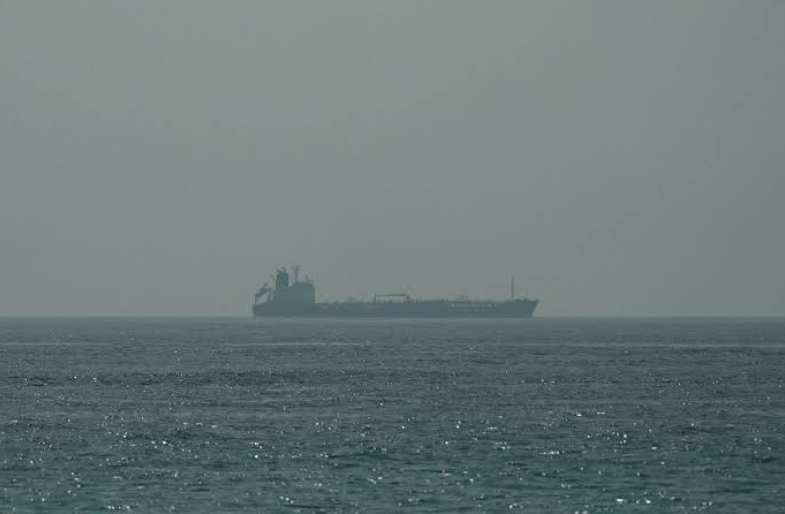
Middle East crude oil exports rebounded in September 2026, driven largely by an increase in shipments from Saudi Arabia following regional disruptions and infrastructure attacks. According to data from Kpler, total regional exports—encompassing Saudi Arabia, the United Arab Emirates, Iraq, Oman, Qatar, Kuwait, and Iran—increased during the month, though remaining approximately 6 million barrels per day below pre-conflict levels. Saudi Arabia, the region's top oil exporter, was on track to ship approximately 5.4 million barrels per day in September, rebounding sharply from 2.446 million bpd in August. Shipments from Ras Tanura rose to about 3.6 million bpd. The export surge follows a September 10 drone attack on the East-West Pipeline, prompting Saudi Aramco to reroute shipments through Persian Gulf terminals and the Strait of Hormuz. These shifting supply dynamics directly influence U.S. distillate stocks, petroleum inventories, and fuel pricing structures monitored by the Energy Information Administration across American markets.
By Yusra M. | JQJO News
Timeline of Events
- On February 28 2026 Pre-conflict baseline established prior to the onset of U.S.-Iran hostilities and regional transit disruptions.
- On August 1 2026 Saudi Arabia's monthly crude shipments dropped to approximately 2.446 million barrels per day amid regional security tensions.
- On September 10 2026 A drone attack struck Saudi Arabia's East-West Pipeline, temporarily halting transit toward the Red Sea port of Yanbu.
- On September 28 2026 September Kpler shipping data confirms regional export recovery with Saudi shipments reaching approximately 5.4 million barrels per day.
- On October 1 2026 Upcoming U.S. Energy Information Administration weekly petroleum inventory report assessing downstream fuel pricing and inventory adjustments.
News Intelligence
- Immediate US impact: Fluctuations in Middle Eastern export pathways and Strait of Hormuz tanker transit directly influence U.S. benchmark crude pricing, refined product supplies, and distillate stocks tracked by the Energy Information Administration.
- Possible long-term US impact: Stabilized Persian Gulf shipping routes mitigate upward pressure on global energy inflation and secure long-term petroleum supply chains for international trade partners.
- Most affected groups: Commodities traders, petroleum refiners, energy sector analysts, and U.S. consumers monitoring retail fuel prices.
- Reader priority: High for energy investors and macroeconomic analysts tracking supply chain recovery in the Middle East.
Coverage of Story:
From Left
Saudi Arabia Boosts Oil Exports, Easing Pressure on Global Markets
The New York Times The Washington PostFrom Center
Mideast oil exports rebound in September as Saudi Arabia boosts shipments
Reuters Traders Union BigGo Finance Bloomberg Financial Times Associated Press Forbes MarketWatch Euronews The Hill Politico Rigzone Platts Global Energy Reuters BigGo Finance Bloomberg Financial Times The Wall Street Journal Associated PressFrom Right
Saudi Oil Shipments Surge in September Following Pipeline Repairs
The Wall Street Journal Daily Mail






Comments