Taking Ozempic? A routine eye exam could help you understand your risk for vision loss.
PUBLISHED Sep 28, 2026, 8:51 AM ET
Read, Watch or Listen
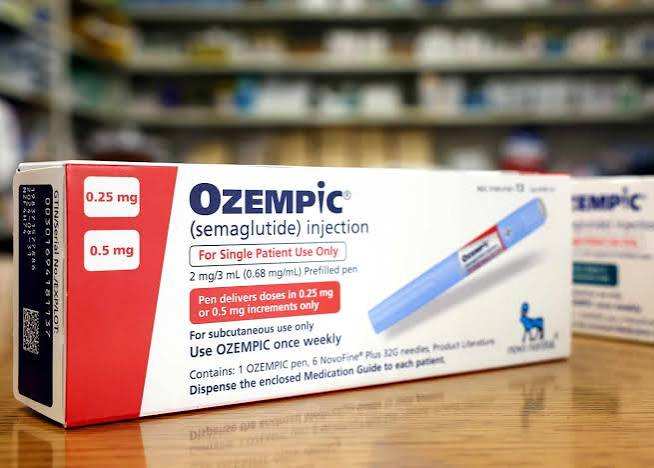
Millions of Americans taking glucagon-like peptide-1 receptor agonists for diabetes or weight management face increased discussion regarding potential rare vision loss risks. Researchers and ophthalmologists emphasize that routine comprehensive eye examinations can help patients understand their vulnerability to non-arteritic anterior ischemic optic neuropathy, a condition sometimes associated with the medication class. During a standard ten-minute appointment, eye care specialists evaluate the patient's optic nerve head, specifically measuring the cup-to-disc ratio. Individuals with a smaller anatomical ratio possess less physical space for optic nerve fibers, potentially heightening susceptibility to ischemic events. While formal studies continue exploring causal links between GLP-1 receptor agonists and optic nerve complications, medical professionals urge routine screenings for early risk identification. Patients experiencing sudden visual disturbances, such as blurring or peripheral dimming, are advised to consult eye care specialists immediately for professional clinical evaluation.
By Haya | JQJO News
Timeline of Events
- On July 3 2024 researchers published a study examining optic neuropathy risks.
- On July 10 2024 ophthalmologists reported potential correlations regarding popular diabetes drugs.
- On August 15 2024 health agencies recommended monitoring visual symptoms closely.
- On September 5 2024 clinical researchers expanded investigations into neural complications.
- On October 12 2024 medical associations issued updated guidance for practitioners.
- On November 20 2024 patient advocacy groups requested expanded warning labels.
- On January 15 2025 eye care clinics observed increased screening requests.
- On March 10 2025 researchers analyzed cup-to-disc ratio measurements comprehensively.
- On June 22 2025 clinical trials evaluated broader metabolic medication safety profiles.
- On September 28 2026 experts emphasized routine eye exams for medication users.
News Intelligence
- Immediate US impact: Routine eye screenings increase early risk awareness for patients.
- Possible long-term US impact: Ongoing research will clarify definitive drug-related optic neuropathy risks.
- Most affected groups: Americans taking GLP-1 medications and eye care specialists nationwide.
- Reader priority: Prioritize verified medical journals and official health agency releases.
Coverage of Story:
From Left
Popular Diabetes and Weight-Loss Drugs Linked to Rare Eye Condition
New York Times NBC News San Francisco ChronicleFrom Center
Study links popular diabetes and weight-loss drugs to rare form of blindness
Reuters Associated Press Wall Street Journal NPR USA Today Washington Post Bloomberg Forbes Time Newsweek Axios The Hill Cleveland Clinic Newsroom Medical News Today Verywell Health USA Today Health The Dallas Morning News Chicago Tribune Miami Herald The Seattle Times Houston Chronicle Phoenix Business Journal Crain's New York Business MedPage Today MDLinx Fierce Pharma Reuters Health Associated Press Health NPR Shots Politico The Hill Healthcare American Academy of Ophthalmology Endocrine Society U.S. News & World Report Health.com Reader's Digest Inc. Fast Company Quartz The AtlanticFrom Right
Ozempic and Wegovy linked to rare blinding condition in alarming new study
Daily Mail The Washington Times






Comments