Indian shares on track for tepid open as US-Iran stalemate lifts oil prices
PUBLISHED Sep 27, 2026, 11:19 PM ET
Read, Watch or Listen
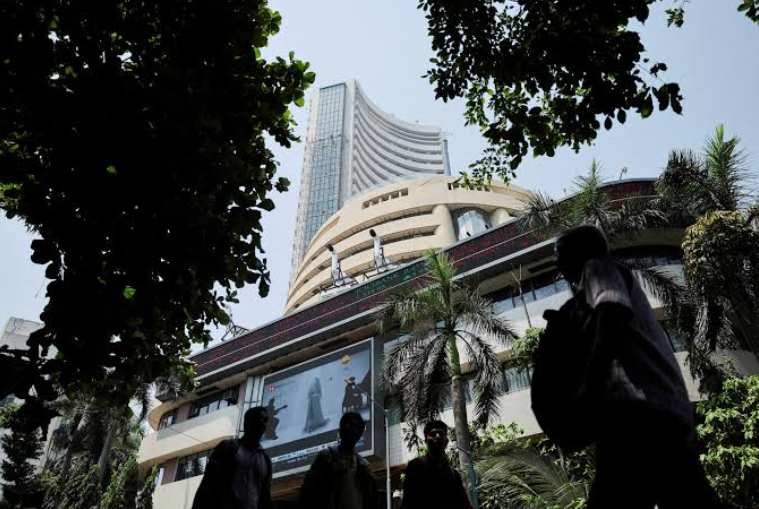
Indian benchmark indices, including the BSE Sensex and the NSE Nifty 50, are projected to experience a subdued and cautious open following a sharp upward movement in international energy markets. The primary catalyst behind the market hesitation is a renewed rise in global crude oil prices, stemming directly from an ongoing strategic stalemate between the United States and Iran that has heightened anxiety over potential supply disruptions across the Middle East. As diplomatic roadblocks persist, global energy futures extended gains, placing immediate cost pressures on major energy-importing nations like India. Broader Asian markets traded mixed to lower as higher oil prices converged with rising U.S. Treasury yields and tightening monetary expectations. Sectors sensitive to raw material costs and foreign institutional flows, such as aviation, automotive, and oil marketing, are positioned for heightened volatility as investors adopt a defensive posture.
By Yusra M. | JQJO News
Timeline of Events
- On September 25 2026 U.S.-Iran diplomatic negotiations encounter renewed roadblocks over regional maritime security.
- On September 27 2026 Global crude oil futures extend gains as Middle East supply disruption fears intensify.
- On September 28 2026 Reuters reports Indian shares are on track for a tepid open due to the oil price surge.
- On September 28 2026 Asian regional indices reflect defensive sentiment amid rising Treasury yields.
- On September 28 2026 Opening bell for BSE Sensex and NSE Nifty 50 trading session.
News Intelligence
- Immediate US impact: No direct material shock to U.S. domestic indices, but U.S. foreign policy posture and diplomatic friction directly dictate global crude benchmark pricing.
- Possible long-term US impact: Prolonged geopolitical deadlocks in the Middle East risk feeding global inflationary pressures and commodity volatility.
- Most affected groups: Indian equity investors, energy importers, oil marketing companies, and macroeconomic policymakers.
- Reader priority: High for emerging market investors and commodity trading participants.
Coverage of Story:
From Center
Indian shares on track for tepid open as US-Iran stalemate lifts oil prices
Reuters Finanzen.ch Bloomberg CNBC The Wall Street Journal Financial Times Associated Press Yahoo Finance MarketWatch Business Standard Economic Times Moneycontrol Mint Financial Express NDTV Profit Zee Business Hindustan Times Times of India The Hindu Business Line Nikkei Asia Channel News Asia BBC News Al Jazeera Forbes Fortune Business Insider Axios




Comments