How Cold War Espionage on Western and US Tech Raised East German GDP by 7.4%, Sparking Today's Tech Protection Wars
PUBLISHED Sep 27, 2026, 2:51 AM ET
Read, Watch or Listen
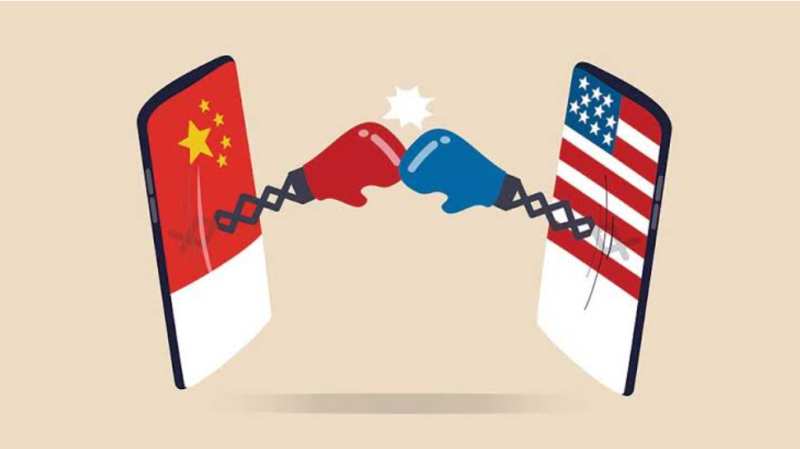
A comprehensive economic study released in Berlin reveals that East Germany's state-sponsored industrial espionage targeting Western and international technology assets during the Cold War boosted its total gross domestic product by approximately 7.4 percent by the late 1980s. Researchers analyzing declassified files from the former East German Ministry for State Security, known as the Stasi, evaluated intelligence data gathered between 1970 and 1989. The findings show that systematic technology theft and commercial intelligence acquisition allowed the communist state to significantly narrow total factor productivity gaps with West Germany, particularly within advanced technology sectors such as electronics. Internal records indicated that these covert operations saved the East German economy substantial sums in domestic research and development expenditures. However, economists note that heavy structural dependence on stolen foreign intellectual property ultimately reduced domestic patent generation and hindered long-term independent technological innovation. Trade policy and national security experts highlight that these historical findings offer direct parallels to modern economic competition, state-backed cyber espionage, and contemporary technology protectionist measures enacted by global powers to safeguard critical innovations and semiconductor supply chains.
By Neha R. | JQJO News
Timeline of Events
- 1970 — Stasi industrial espionage operations targeting Western technology begin.
- 1980 — Espionage programs scale up, significantly impacting East German electronics sector productivity.
- 1989 — End of historical evaluation period for declassified Stasi intelligence files.
- 2026 — Researchers complete empirical study on historical East German GDP growth via technology theft.
- On September 27 2026 Economic study published in Berlin detailing the 7.4 percent GDP boost and modern policy parallels.
News Intelligence
- Immediate US impact: No immediate direct US legislative or economic disruption, but provides historical context for ongoing US trade protectionism and semiconductor export controls.
- Possible long-term US impact: Reinforces strategic justifications for strict intellectual property protection, supply chain security, and counter-espionage measures in critical U.S. tech sectors.
- Most affected groups: Economists, trade policy makers, cybersecurity experts, and national security analysts.
- Reader priority: High relevance for professionals studying the intersection of state intelligence, economic growth, and modern technology protection wars.
Coverage of Story:
From Left
New research exposes scale of East German industrial espionage
The Guardian New York Times CNN MSNBC IndependentFrom Center
East German Espionage Raised GDP 7.4% Late 1980s, Study Finds
Global Banking & Finance Reuters Associated Press Financial Times Bloomberg Washington Post Deutsche Welle France 24 The Economist Foreign Policy Politico TIME Euronews Swissinfo Al Jazeera TRT World TechCrunch Wired Ars TechnicaFrom Right
Stasi files reveal hidden economic costs and gains of tech theft
Wall Street Journal The Telegraph Fox News Daily Mail Washington Times





Comments