profane Trump brings presidential swearing out into open
Tap title to read story
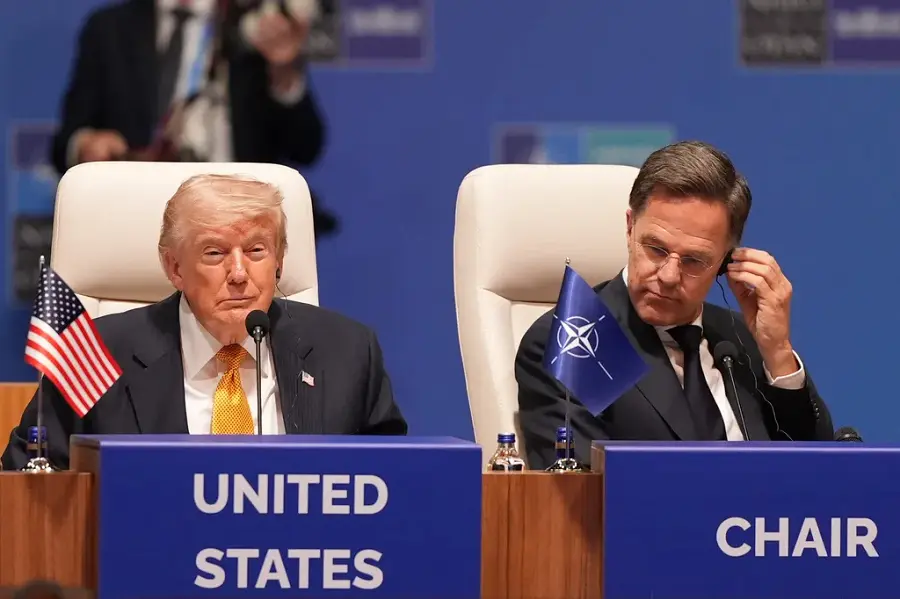
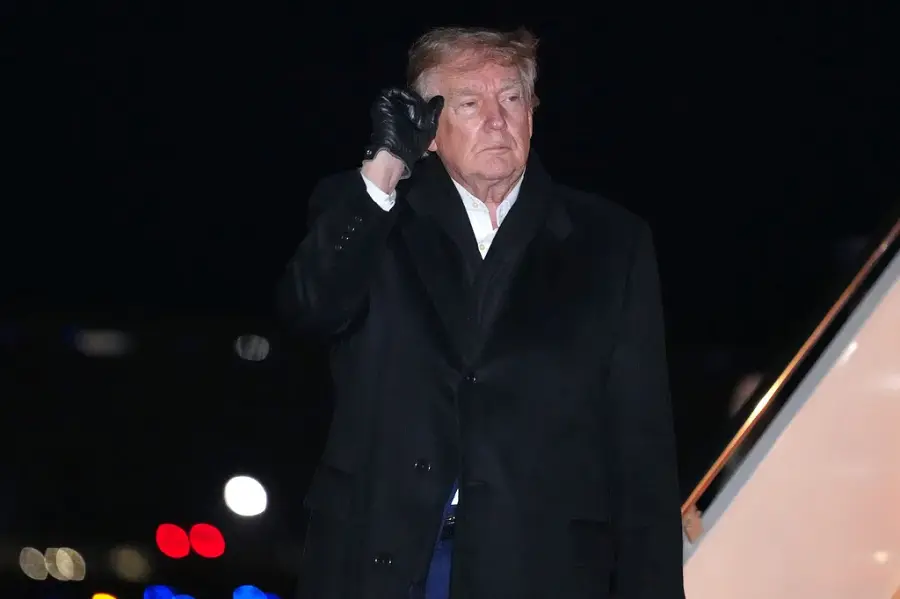
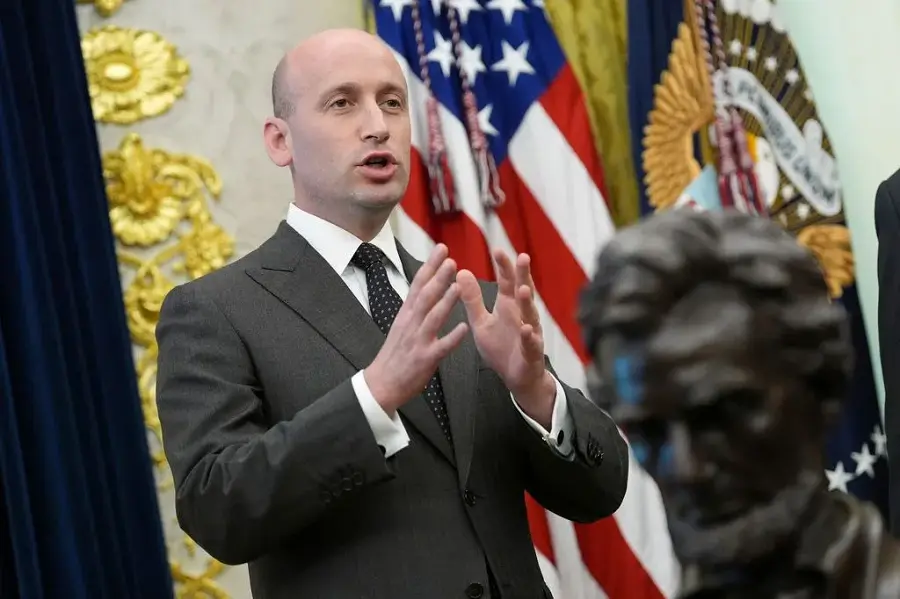
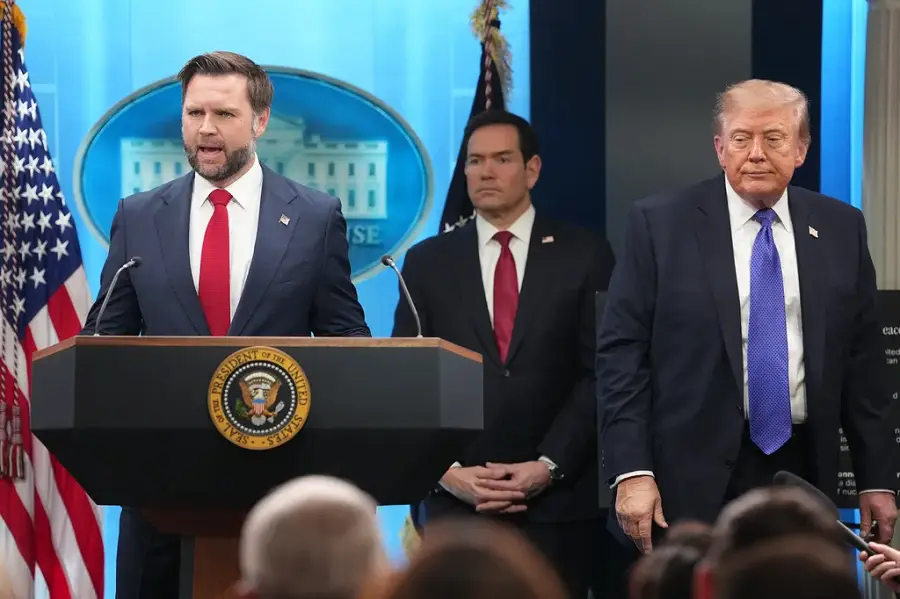
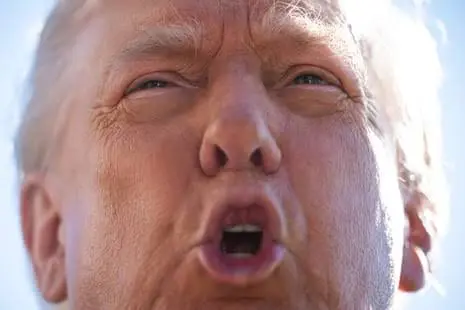
Donald Trump has increasingly integrated profanity into public remarks and digital communications, shifting conventional boundaries of political decorum in the United States. While historical figures occasionally used vulgar language privately, the former president routinely incorporates explicit terms into press briefings and social media posts addressing domestic and foreign matters. Supporters frequently interpret this unpolished communication style as a marker of authenticity and a rejection of traditional political correctness. Conversely, critics argue that this behavior coarsens public discourse and degrades institutional standards. This shift has influenced wider political communication trends, as various figures across the ideological spectrum adopt more conversational and unfiltered language to engage polarized electorates. Analysts note that the normalization of taboo vocabulary reflects broader changes in modern political engagement, where directness often supersedes traditional standards of presidential rhetoric and official conduct across public platforms.
More context
Timeline
- On January 20 2017, Donald Trump took the presidential oath of office.
- On June 14 2017, public political rhetoric faced increased digital scrutiny online.
- On November 3 2020, national elections highlighted deep partisan communication divides.
- On January 6 2021, Capitol events intensified debates over political speech.
- On November 5 2024, elections reinforced new standards for public discourse.
- On January 20 2025, modern political communication styles entered official institutional spaces.
- On June 1 2025, analysts tracked rising conversational vulgarity in campaigns.
- On December 15 2025, digital platforms observed increased unfiltered candidate messaging.
- On May 10 2026, researchers published studies on shifting political decorum norms.
- On September 27 2026, public debates regarding acceptable political language continue nationwide.
- Coming months will likely see continued adoption of unfiltered rhetoric across campaigns.
- Future election cycles will measure the long-term electoral impact of coarse language.
Primary report
Public remarks and social media posts featuring explicit political language.
Sources
- New York Times
- The Atlantic
- The Guardian
- The New Republic
- HuffPost
- Democracy Now
- Associated Press
- Politico
- Reuters
- The Hill
- National Public Radio
- Washington Post
- USA Today
- Bloomberg
- Time
- Newsweek
- Axios
- NBC News
- Telemundo
- National Public Radio - Local
- Forbes
- National Review
- Wall Street Journal
- Daily Caller
- Washington Times
- truthsocial.com
JQJO Editorial Desk · Human reviewed · AI assisted. Report a correction.