New Study Alarms US Consumer Groups as 485 Pesticide Chemicals Linked to Breast Cancer Found in American Produce
PUBLISHED Sep 27, 2026, 3:33 AM ET
Read, Watch or Listen
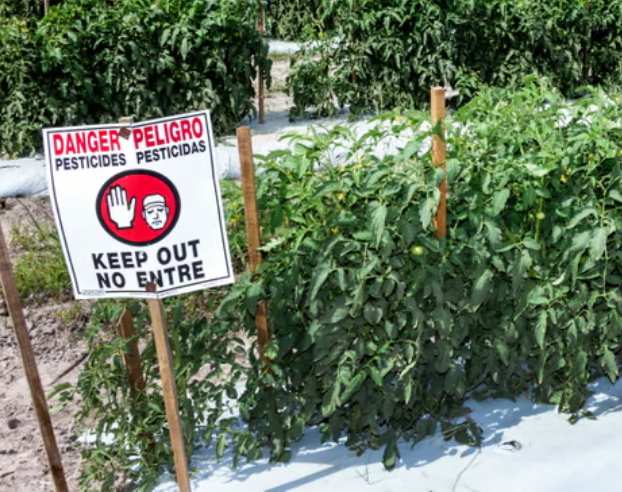
New peer-reviewed research published in Environmental Health Perspectives by scientists at the Silent Spring Institute has identified at least 485 chemical substances used in U.S. pesticide products that are linked to breast cancer. The study reveals that over 300 of these identified compounds are categorized as 'inactive' or 'inert' ingredients—such as surfactants and penetrating agents—which are mixed into commercial pesticide formulas but do not undergo routine regulatory safety evaluations by the Environmental Protection Agency (EPA). Federal survey data from the National Health and Nutrition Examination Survey indicates that at least 84 of these specific breast cancer-linked chemicals are already detectable within the general U.S. population. With national breast cancer incidence rates climbing annually, especially among women under 50, public health advocates and researchers are urging federal regulators to mandate comprehensive safety testing for complete pesticide formulations, covering both active and inactive ingredients to protect public health and food safety nationwide.
By Neha R. | JQJO News
Timeline of Events
- 2024 — Silent Spring Institute publishes landmark list of over 900 chemicals linked to breast cancer risk.
- 2023 — EPA rejects a legal petition demanding stricter regulatory review of inert pesticide ingredients.
- On September 27 2026 New peer-reviewed study published in Environmental Health Perspectives identifying 485 breast cancer-linked chemicals in U.S. pesticides.
News Intelligence
- Immediate US impact: Raises public awareness and consumer concern regarding pesticide residues on produce, household goods, and drinking water safety across the United States.
- Possible long-term US impact: Could pressure federal regulators at the EPA to overhaul chemical safety assessments, mandate testing for inactive pesticide ingredients, and expand California's Proposition 65 warnings.
- Most affected groups: U.S. consumers, agricultural workers, and women facing rising early-onset breast cancer rates.
- Reader priority: High relevance for individuals monitoring food safety, chemical exposures, and public health policies.
Coverage of Story:
From Left
New research finds 485 chemicals in US pesticide products linked to breast cancer
The Guardian The New York Times CNN NPRFrom Center
Study Links Hundreds of Chemicals in US Pesticides to Breast Cancer Risk
Associated Press Reuters NBC News ABC News CBS News Washington Post USA Today Bloomberg CNBC Los Angeles Times Boston Globe San Francisco Chronicle TIME Newsweek The Hill Forbes Politico Al Mayadeen English Ground News Ecancer Science Media CentreFrom Right
Agricultural Chemicals and EPA Regulatory Standards Examined in New Study
Wall Street Journal Fox News Fox Business New York Post Daily Mail






Comments