In a mysterious reversal, Earth’s atmosphere has gotten less dusty
PUBLISHED Sep 27, 2026, 5:35 AM ET
Read, Watch or Listen
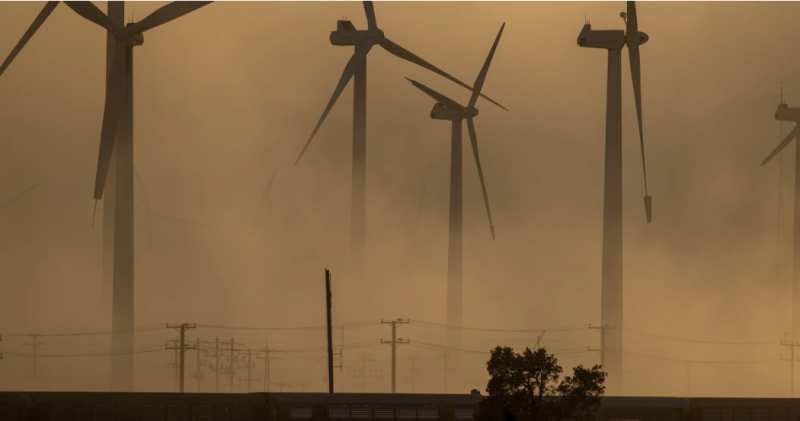
A new study published in Science Advances reveals that Earth's global atmosphere became approximately 10% less dusty between 2003 and 2023. Researchers from the University of California, Los Angeles (UCLA) combined satellite observations, ground-based measurements, and atmospheric models to document this shift. Lead author Ashok Gupta noted that this marks a reversal from the 20th century, when atmospheric desert dust increased before peaking in the 1980s. Most desert dust originates from Northern Hemisphere deserts, such as the Sahara and Gobi, alongside drying lakebeds impacted by agricultural water rerouting. Because atmospheric dust exerts a slight overall cooling effect by reflecting sunlight, researchers noted that its decrease may have contributed modestly to recent global warming, though human greenhouse gas emissions remain the primary driver. The specific underlying causes of the two-decade decrease remain under ongoing investigation.
By Neha R. | JQJO News
Timeline of Events
- 1980s — Peak of 20th-century atmospheric desert dust levels before the subsequent reversal.
- 2003-2023 — Period analyzed by UCLA researchers showing a 10% decline in global atmospheric dust.
- On September 16 2026 Study published in Science Advances detailing global atmospheric dust reduction.
- On September 27 2026 Ongoing scientific evaluation of the underlying drivers and climate implications of the dust decline.
- Future — Future climate modeling updates incorporating updated atmospheric dust parameters.
News Intelligence
- Immediate US impact: No material direct US impact identified.
- Possible long-term US impact: Potential indirect contributions to regional climate models and atmospheric monitoring.
- Most affected groups: Climate researchers, atmospheric scientists, and environmental modelers.
- Reader priority: Understanding recent shifts in global atmospheric composition and their modest role in climate warming.
Coverage of Story:
From Left
Less dust in the air may be modestly speeding up global warming, study shows
CNN The Guardian New York Times MSNBC Los Angeles TimesFrom Center
Study reveals 10% decline in global atmospheric dust over two decades
Reuters Associated Press Bloomberg Financial Times CNBC BBC News Washington Post Politico Al Jazeera SEE News Earth.com Deutsche Welle The Cooldown MarketWatch Yahoo Finance The Hill Foreign Policy ABC News CBS News USA Today ForbesFrom Right
New research explores fluctuating dust levels and climate cooling effects
Wall Street Journal Fox Business The Telegraph National Review





Comments