Women Sluggers Are No Longer in a League of Their Own
PUBLISHED Sep 27, 2026, 3:17 AM ET
Read, Watch or Listen
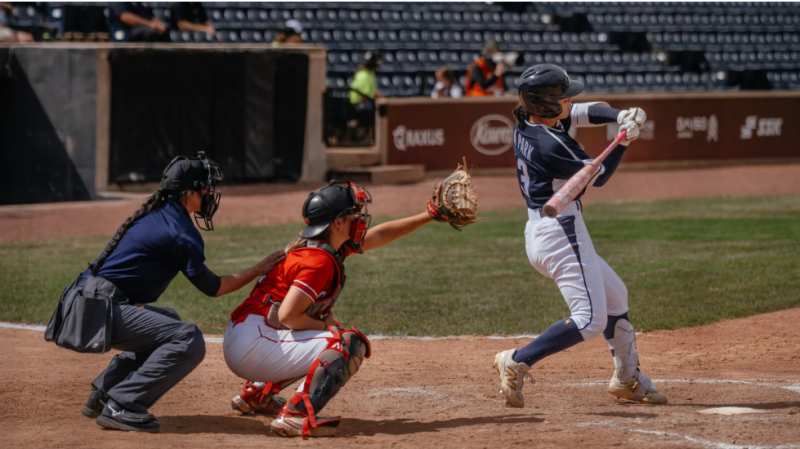
The Women's Professional Baseball League has officially concluded its historic inaugural season, establishing a permanent domestic professional structure for elite female baseball players across the United States. More than seventy years following the dissolution of the All-American Girls Professional Baseball League, athletes competed in structured multi-team schedules representing major metropolitan markets including Boston, New York, Los Angeles, and San Francisco. Players such as Kelsie Whitmore and Ashton Lansdell participated in these foundational games, marking a transition from softball conversions and independent play to organized professional competition. League organizers registered over five hundred international players for initial draft consideration, expanding talent pipelines and corporate sponsorship investments within the U.S. sports economy. Franchise executives, sports economists, and broadcasting stakeholders continue to evaluate spectator metrics, regional attendance numbers, and commercial viability following the conclusion of the league's first full year of competition.
By Neha R. | JQJO News
Timeline of Events
- 1943 — All-American Girls Professional Baseball League established during World War II.
- 1954 — Dissolution of the All-American Girls Professional Baseball League.
- 2024 — Announcements and structural rollout of the Women's Professional Baseball League (WPBL).
- June 2026 — WPBL opens its inaugural professional season across multiple U.S. metropolitan franchises.
- On September 27 2026 Conclusion of the WPBL inaugural season and initial commercial impact evaluation.
News Intelligence
- Immediate US impact: Expansion of domestic professional opportunities, sports entertainment options, and regional fan engagement across major U.S. metropolitan markets.
- Possible long-term US impact: Potential growth in corporate sponsorship agreements, media rights valuations, and youth sports participation pipelines throughout the United States.
- Most affected groups: Professional female athletes, sports franchise owners, media broadcast networks, and sports equipment manufacturers.
- Reader priority: High relevance for followers of professional sports leagues, sports business analysts, and investors in women's athletics.
Coverage of Story:
From Center
Women's Professional Baseball League Wraps Up Historic First Season
Associated Press Reuters ESPN The Athletic Sports Business Journal USA Today NBC Sports Yahoo Sports CBS Sports Bloomberg Washington Post CNBC Los Angeles Times Boston Globe San Francisco Chronicle TIME Forbes Bleacher Report Sportico The Hill USA Today Sports MSN AOL NewsweekFrom Right
The Business Economics of Launching a New Women's Sports League
Wall Street Journal Fox Business New York Post Daily Mail





Comments