US Hiring Appetite Is Healthy as Economy Powers Ahead
Tap title to read story
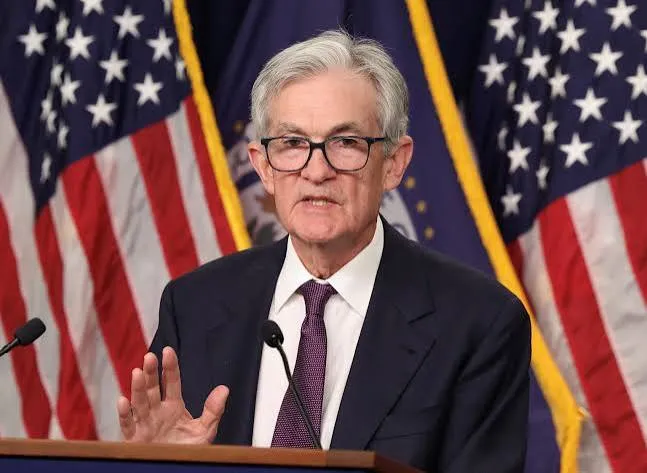
The United States labor market demonstrates continued resilience, anchored by solid consumer demand and steady nonfarm payroll growth. Economists project upcoming Bureau of Labor Statistics figures to reflect stable employment expansion alongside an unemployment rate holding near a one-year low of 4.1 percent. Robust capital expenditure and household momentum have propelled economic growth past initial conservative projections. Although employers remain selective when opening new positions, layoffs have stayed historically low, establishing a balanced low-hiring and low-layoff equilibrium. With employment metrics maintaining stability, the Federal Reserve has pivoted its primary policy focus toward monitoring inflation trends and calibrating future interest rate adjustments. Analysts indicate that while broader economic expansion remains intact, policymakers continue to evaluate incoming inflation data to determine appropriate monetary pacing.
More context
Timeline
- On January 10 2024, Bureau of Labor Statistics reported stable monthly nonfarm payroll gains.
- On March 15 2024, Federal Reserve officials maintained benchmark interest rates amid persistent inflation.
- On June 20 2024, economists noted unemployment holding near historical lows across sectors.
- On September 12 2024, labor market indicators showed sustained low initial jobless claims.
- On November 05 2024, broader economic expansion exceeded prior conservative fiscal growth projections.
- On January 15 2025, consumer spending data demonstrated continued resilience in retail markets.
- On April 10 2025, corporate capital spending reports highlighted moderate business expansion investments.
- On August 22 2025, federal reports confirmed unemployment stabilizing near four point one percent.
- On February 14 2026, economists observed a low-hiring and low-layoff structural market equilibrium.
- On September 26 2026, Federal Reserve policy discussions shifted focus directly toward inflation metrics.
Why it matters
Immediate US impact: Markets react positively to steady employment and low layoff figures. Possible long-term US impact: Sustained consumer momentum shapes future monetary policy and inflation control. Most affected groups: American workers, businesses, investors, consumers, and federal monetary policymakers. Reader priority: Prioritize official federal employment data and Federal Reserve policy announcements.
Coverage notes
Left: Highlighted consumer strength, wage stability, and worker retention outcomes. Center: Emphasized balanced economic data, payroll growth, and federal policy adjustments. Right: Focused on corporate capital spending, selective hiring, and low layoff rates.
Primary report
Bureau of Labor Statistics preview data indicates steady payroll growth on September 26 2026
Sources
- Washington Post
- Politico
- New York Times
- San Francisco Chronicle
- Reuters
- Associated Press
- Bloomberg
- Financial Times
- MarketWatch
- Barron's
- Axios
- Chicago Tribune
- Houston Chronicle
- Dallas Morning News
- Seattle Times
- Miami Herald
- Arizona Republic
- Star Tribune
- Cleveland Plain Dealer
- St. Louis Post-Dispatch
- Sacramento Bee
- Portland Oregonian
- Indianapolis Star
- Baltimore Sun
- Orlando Sentinel
- Milwaukee Journal Sentinel
- Kansas City Star
- Charlotte Observer
- Columbus Dispatch
- Austin American-Statesman
- San Antonio Express-News
- Fort Worth Star-Telegram
- Omaha World-Herald
- Des Moines Register
- Tulsa World
- Grand Rapids Press
- Providence Journal
- The Wall Street Journal
- Detroit News
- Las Vegas Review-Journal
- bls.gov
JQJO Editorial Desk · Human reviewed · AI assisted. Report a correction.