US-China Trade Needs More Stability: NAM CEO
Tap title to read story
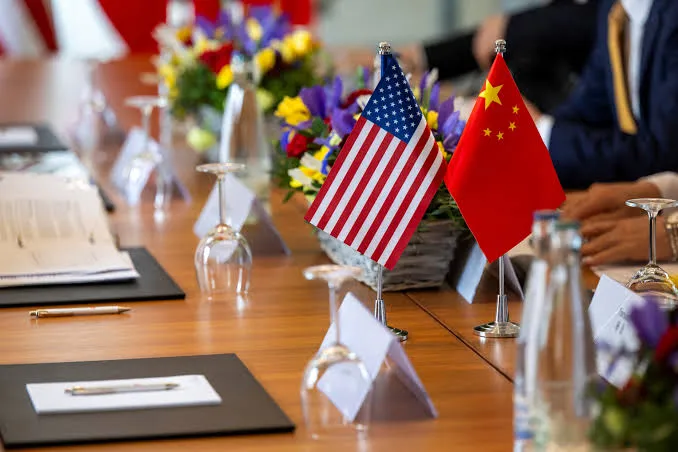
National Association of Manufacturers President and CEO Jay Timmons urged federal policymakers to establish long-term predictability in United States and China trade relations. Speaking amid bilateral diplomatic discussions regarding trade truces, Timmons emphasized that persistent policy uncertainties, ongoing tariffs, and fluctuating energy expenses continue to challenge domestic industrial operations. Although manufacturers report rising order volumes and general optimism, business leaders argue that structural stability remains essential for effective supply chain planning and capital investment. The demands highlight ongoing friction between high-level diplomatic negotiations and the operational requirements of American industrial producers navigating shifting international trade policies and economic volatility across global markets.
More context
Timeline
- On January 15 2020, both nations signed phase one economic and trade agreement.
- On February 1 2021, tariffs on bilateral imports remained active under federal review.
- On May 14 2024, the administration announced targeted tariff increases on Chinese goods.
- On November 5 2024, presidential election outcomes shifted expectations for future trade policies.
- On January 20 2025, new presidential administration assumed office in Washington DC.
- On March 1 2025, manufacturing sector leaders reported increased input costs from tariffs.
- On June 10 2025, industrial groups petitioned federal agencies for clearer tariff exemptions.
- On September 15 2025, bilateral meetings commenced to discuss potential trade truce extensions.
- On September 26 2026, manufacturers chief executive published formal trade stability demands.
- On September 27 2026, manufacturers awaited formal policy responses from federal trade representatives.
- Policymakers will evaluate bilateral economic frameworks during upcoming international legislative sessions.
- Industrial leaders will adjust capital expenditure forecasts based on final tariff decisions.
Why it matters
Immediate US impact: American manufacturers face ongoing cost pressures and supply chain uncertainty. Possible long-term US impact: Stable trade frameworks will determine long-term domestic industrial capital investments. Most affected groups: American manufacturers, industrial business leaders, and supply chain logistics workers. Reader priority: Readers should monitor official federal trade announcements and industry association reports.
Coverage notes
Left: Highlighted regulatory risks, worker impacts, and corporate trade policy criticisms. Center: Reported official statements, industry metrics, and bilateral economic negotiation facts. Right: Emphasized market growth, corporate competitiveness, and reduced regulatory interference needs.
Primary report
National Association of Manufacturers published CEO statement on September 26 2026.
Sources
- Politico
- Washington Post
- San Francisco Chronicle
- The Atlantic
- Reuters
- Associated Press
- Bloomberg
- Financial Times
- MarketWatch
- Barron's
- Inc.
- The Hill
- Chicago Tribune
- Houston Chronicle
- Dallas Morning News
- Miami Herald
- Seattle Times
- Detroit News
- NPR
- The Economist
- Time
- Newsweek
- Reuters Breakingviews
- Quartz
- Fast Company
- The Hill
- Politico Pro
- Axios
- The Messenger
- The Street
- Wall Street Journal
- Forbes
- Cato Institute Commentary
- nam.org
JQJO Editorial Desk · Human reviewed · AI assisted. Report a correction.