Why Americans are warming to China
Tap title to read story
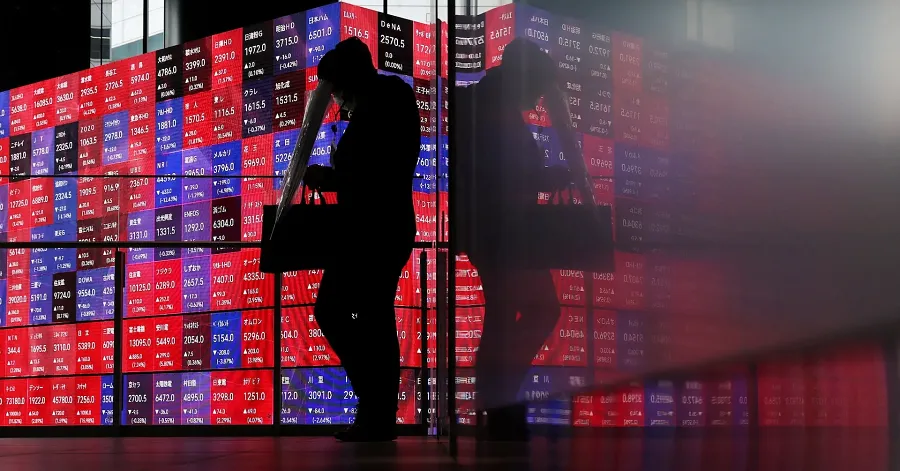
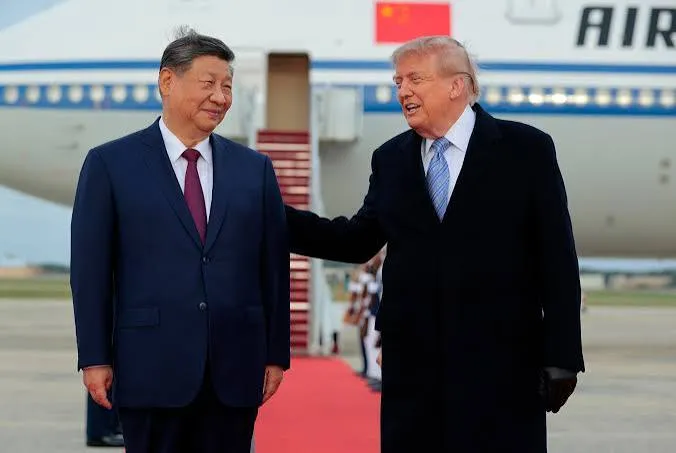
Recent data from the Pew Research Center and the Chicago Council on Global Affairs indicates public perception of China in the United States has experienced a measurable rebound from pandemic-era lows recorded between 2020 and 2023. While general sentiment remains guarded, a growing segment of citizens, particularly younger demographics, displays increased openness toward bilateral engagement. Analysts attribute this shift to rising skepticism surrounding the long-term efficacy of aggressive trade tariffs and persistent domestic cost-of-living pressures. Many consumers increasingly prioritize economic cooperation over restrictive containment measures that they fear may exacerbate inflation and raise prices for everyday goods. Despite this softening in public threat perception, broader geopolitical tensions and strategic competition between Washington and Beijing continue to define official diplomatic relations, separating public economic pragmatism from formal government policy frameworks.
More context
Timeline
- On Jan 15 2020, Pew Research Center reported American public views toward China reached low favorability levels.
- On Nov 12 2021, Chicago Council on Global Affairs documented pandemic-era strains affecting bilateral diplomatic perceptions.
- On Jul 18 2022, Trade tariff discussions dominated congressional debates concerning domestic manufacturing protection strategies.
- On Mar 22 2023, Public polling showed sustained caution regarding international trade and geopolitical containment approaches.
- On Oct 14 2024, Economic data highlighted persistent consumer price pressures influencing public foreign policy attitudes.
- On Feb 05 2025, Survey data captured early signs of generational divides regarding international economic engagement policies.
- On Aug 19 2025, Trade analysts evaluated the consumer impact of long-standing tariff frameworks on retail goods.
- On Jan 10 2026, Chicago Council on Global Affairs released updated metrics showing slight sentiment stabilization trends.
- On Jun 21 2026, Pew Research Center published comparative figures revealing modest rebounds in neutral public perceptions.
- On Sep 26 2026, Observers noted ongoing public pragmatism regarding economic cooperation amid domestic inflation challenges.
Why it matters
Immediate US impact: Public discourse shifts slightly toward prioritizing domestic consumer price relief. Possible long-term US impact: Future trade policies may face increased scrutiny regarding household economic burdens. Most affected groups: Everyday consumers, younger demographics, import businesses, and trade policy makers. Reader priority: Monitor primary poll data and official economic indicators across major outlets.
Coverage notes
Left: Emphasizes economic pragmatism and the need for cooperative trade. Center: Reports polling statistics objectively without endorsing specific foreign policies. Right: Emphasizes national security risks and continued strategic threat concerns.
Primary report
Pew Research Center published updated public opinion polling data on China.
Sources
- New York Times
- The Atlantic
- New York Times Opinion
- Chicago Council on Global Affairs
- Reuters
- Associated Press
- Bloomberg
- Washington Post
- Politico
- NPR
- Financial Times
- Axios
- Time
- The Hill
- USA Today
- National Public Radio
- Forbes
- The Economist
- Reuters Business
- Bloomberg Opinion
- Washington Post Opinion
- MarketWatch
- Politico Magazine
- Foreign Affairs
- Newsweek
- USA Today Opinion
- Chicago Tribune
- Houston Chronicle
- Wall Street Journal
- Wall Street Journal Opinion
- pewresearch.org
JQJO Editorial Desk · Human reviewed · AI assisted. Report a correction.