Low Levels of PFAS Detected in Fort Shafter Water System on Oʻahu
PUBLISHED Sep 26, 2026, 2:38 AM ET
Read, Watch or Listen
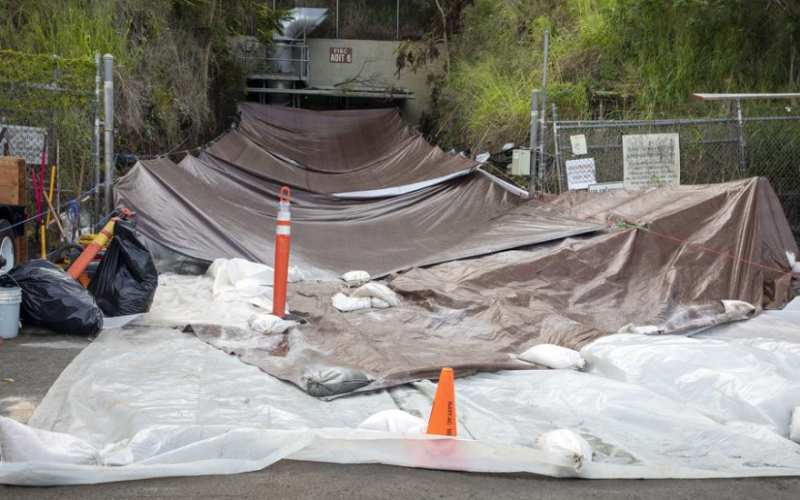
Low levels of perfluoroalkyl and polyfluoroalkyl substances, known as PFAS or "forever chemicals," have been detected for the first time in water samples collected at the Fort Shafter Wells Chlorinator on the island of Oʻahu. The U.S. Army Garrison Hawaiʻi notified the Hawaiʻi Department of Health on September 23, 2026. Testing identified perfluorohexane sulfonic acid (PFHxS) and perfluorohexanoic acid (PFHxA) at concentrations reaching up to 2.28 nanograms per liter, remaining well below the U.S. Environmental Protection Agency maximum contaminant level of 10 ng/L. State health authorities confirmed that these trace detections pose no immediate public health risk. Historical data shows sporadic presence with subsequent tests returning non-detectable levels. Public notification was issued in compliance with Hawaii Revised Statutes governing underground drinking water sources.
By Neha R. | JQJO News
Timeline of Events
- On August 8 2023 Initial historical detection of PFHxS recorded at 1.8 ng/L during testing.
- On December 5 2023 Follow-up water sampling shows non-detectable levels of targeted chemical compounds.
- On July 7 2026 Routine sampling records PFHxS at 2.28 ng/L and PFHxA at 2.03 ng/L.
- On August 19 2026 Subsequent testing indicates both targeted chemical compounds are non-detected.
- On September 23 2026 U.S. Army Garrison Hawaiʻi formally notifies the Hawaiʻi Department of Health via email.
- On September 26 2026 Hawaiʻi Department of Health publicly announces the water system detections in accordance with state statutes.
News Intelligence
- Immediate US impact: Localized notification for military and civilian personnel relying on the Fort Shafter water system on Oʻahu.
- Possible long-term US impact: Heightened monitoring requirements and compliance checks for military water infrastructure under updated EPA guidelines.
- Most affected groups: Residents, military personnel, and employees utilizing the Fort Shafter water system on Oʻahu.
- Reader priority: Monitor local Department of Health updates and review water safety advisories for military housing on Oʻahu.
Coverage of Story:
From Left
Trace Amounts of PFAS Detected in Military Water System in Hawaii
CNN The New York Times Washington Post Los Angeles Times Slate The GuardianFrom Center
Low Levels of PFAS Detected in Fort Shafter Water System on Oʻahu
Hawaii Department of Health Newsroom Honolulu Star-Advertiser Civil Beat Associated Press Reuters Politico Axios NBC News ABC News CBS News USA Today The Hill Time Newsweek BBC News Financial Times Forbes BloombergFrom Right
Army Reports Safe PFAS Levels Below EPA Thresholds in Hawaii Water System
Fox News The Wall Street Journal National Review Washington Times Daily Caller New York Post


Comments