How Europe’s intensifying marine heatwaves threaten its fisheries
PUBLISHED Sep 26, 2026, 9:23 AM ET
Read, Watch or Listen
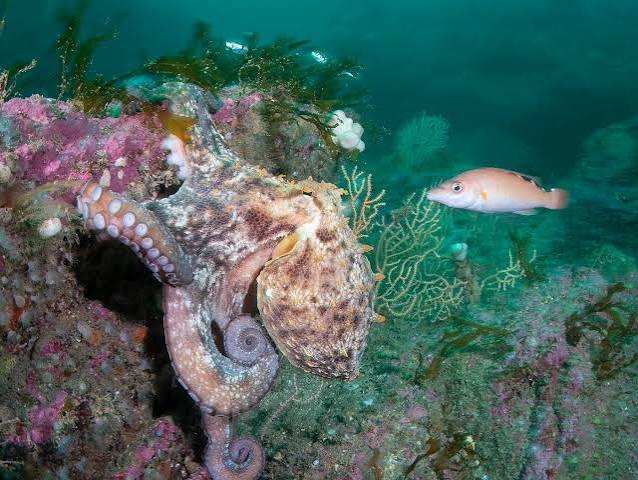
Europe experienced its hottest summer in forty-five years, with seas averaging twenty-one point six degrees Celsius between June and August. Driven by global greenhouse gas emissions, intensifying marine heatwaves are fundamentally reshaping aquatic ecosystems and endangering traditional fisheries. In northern Spain, warming waters and overgrazing by dreamfish have destroyed ninety-five percent of large brown kelp forests since two thousand ten. Concurrently, surging temperatures in the English Channel triggered a massive increase in common octopus populations, expanding landings from under thirty tons annually to over three thousand tons. While profitable for some, this population explosion devastated local crab, lobster, and scallop shellfisheries. Furthermore, the Mediterranean now hosts over one thousand non-indigenous species, disrupting native food webs. Small-scale fishermen facing declining traditional stocks struggle to adapt to these rapid environmental changes, threatening the economic stability of multi-generational coastal communities across the continent as warming trends persist.
By Noormahi M. | JQJO News
Timeline of Events
- On Jan 01 2010, Northern Spain began experiencing severe kelp forest ecosystem degradation.
- On Jan 01 2022, The English Channel faced continuous marine heatwave conditions for months.
- On Jun 01 2025, European seas recorded their hottest summer in forty-five years.
- On Aug 31 2025, Average summer water temperatures reached twenty-one point six degrees Celsius.
- On Sep 01 2025, Spanish coastal regions reported an influx of Portuguese man war.
- On Oct 01 2025, Common octopus landings in the English Channel exceeded three thousand tons.
- On Nov 01 2025, Local shellfisheries began reporting widespread business closures due to predation.
- On Dec 01 2025, Mediterranean non-indigenous species catalog surpassed one thousand documented marine organisms.
- On Jan 01 2026, Fishermen initiated laboratory-grown kelp seedling restoration partnerships with regional scientists.
- On Feb 01 2026, Coastal communities intensified calls for aggressive global climate mitigation strategies.
- Marine heatwaves will likely continue expanding invasive species populations across southern European waters.
- Traditional fisheries will face permanent economic restructuring absent immediate habitat restoration interventions.
News Intelligence
- Immediate US impact: Elevated seafood import prices and changing international export dynamics.
- Possible long-term US impact: Increased vulnerability of domestic fisheries to similar ocean warming trends.
- Most affected groups: Coastal commercial fishermen, marine ecologists, seafood consumers, and coastal municipalities.
- Reader priority: Scientific monitoring reports, marine conservation updates, and commercial fisheries market data.
Coverage of Story:
From Left
Canicule marine : les écosystèmes côtiers européens en péril
Le Monde El Pais Washington Post New York Times The Independent NPR The Atlantic Inside Climate NewsFrom Center
Europe seas record hottest summer amid intensifying marine heatwaves
Reuters Associated Press Bloomberg Financial Times Euronews Politico Europe New Scientist Smithsonian Magazine Time Newsweek Sky News CBC News Bloomberg Green The Hill Quartz Forbes The Straits Times Japan Times EurActiv Times of MaltaFrom Right
British fisheries hit hard by unprecedented marine heatwave conditions
Daily Mail The Times




Comments