How firms linked to sanctioned Chinese cotton giant sell clothes to U.S.
PUBLISHED Sep 25, 2026, 12:11 AM ET
Read, Watch or Listen
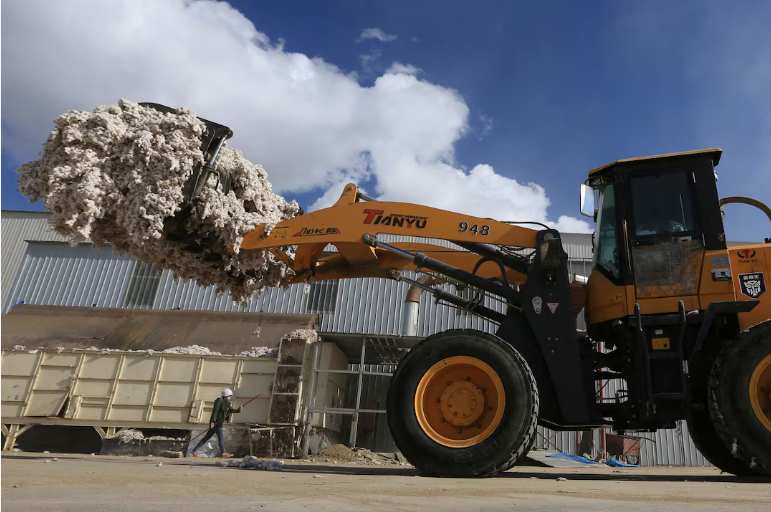
An investigative report published by Reuters details how companies linked to the Xinjiang Production and Construction Corps (XPCC), a sanctioned Chinese state-owned paramilitary and industrial conglomerate, continue to route clothing and textile products into the United States market. Despite comprehensive import bans enforced under the Uyghur Forced Labor Prevention Act (UFLPA) and specific Treasury Department sanctions, goods bypass border restrictions through third-country intermediaries and obscured manufacturing networks where raw materials are commingled.
By Yusra M. | JQJO News
Timeline of Events
- On September 25 2026 Reuters publishes investigative report on XPCC-linked textile supply chains.
News Intelligence
- Immediate US impact: Heightened scrutiny on U.S. apparel imports, customs screening efficacy, and enforcement of the Uyghur Forced Labor Prevention Act.
- Possible long-term US impact: Potential tightening of global supply chain traceability mandates and expansion of secondary trade restriction enforcement.
- Most affected groups: U.S. apparel retailers, importers, customs compliance officers, and international trade regulators.
- Reader priority: High awareness for regulatory compliance, international trade dynamics, and corporate accountability.
- Articles Published:
- 30
- Right Leaning:
- 2
- Left Leaning:
- 3
- Neutral:
- 25
- Distribution:
- Left 10%, Center 83%, Right 7%
Left: leaning outlets frame the issue primarily around human rights violations, labor exploitation, and ethical supply chain accountability, urging stricter enforcement and consumer awareness. Center: outlets focus objectively on the logistics, trade mechanics, regulatory enforcement gaps, and customs screening challenges involved in secondary manufacturing hubs. Right: leaning outlets frame the issue around national security, economic competition with China, and the failure of federal agencies to adequately police trade borders and tariffs.
Investigative report detailing the supply chain routing of sanctioned Chinese cotton into the U.S. https://www.streetinsider.com/Reuters/Exclusive-How+firms+linked+to+sanctioned+Chinese+cotton+giant+sell+clothes+to+U.S/27103320.html
Coverage of Story:
From Left
Hidden Networks Keep Xinjiang Cotton Flowing to American Consumers
New York Times The Guardian Al JazeeraFrom Center
Exclusive: How firms linked to sanctioned Chinese cotton giant sell clothes to U.S.
Reuters Bloomberg Wall Street Journal Financial Times Associated Press CNBC CNN Business Washington Post BBC News Politico Axios Nikkei Asia South China Morning Post Yahoo Finance MarketWatch StreetInsider Business Insider Forbes Fortune Quartz The Hill Foreign Policy Channel NewsAsia Supply Chain Dive S&P Global Market IntelligenceFrom Right
Loophole Allows Sanctioned Chinese Cotton Products into U.S. Stores
Fox Business New York Post



Comments