IPCC Faces Conflict of Interest Backlash Over Fossil Fuel Employee Authors
PUBLISHED Sep 25, 2026, 3:05 AM ET
Read, Watch or Listen
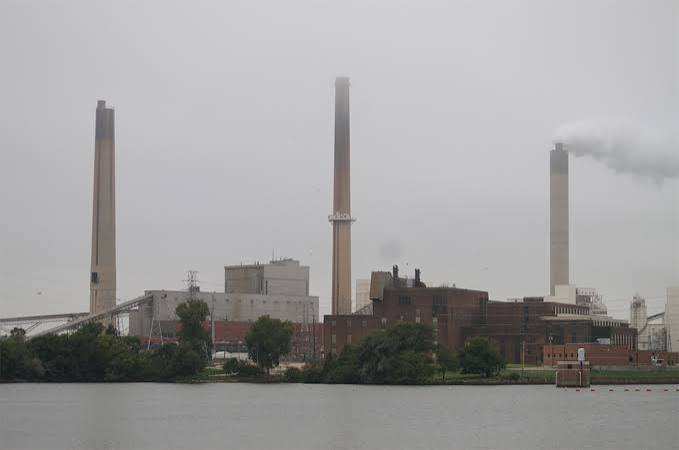
An investigative report revealed that the Intergovernmental Panel on Climate Change (IPCC) is facing severe backlash from climate experts over the inclusion of fossil fuel employees as authors for its upcoming global climate assessment reports[cite: 1]. The investigation identified over 20 cases with strong conflict of interest concerns regarding authors selected for the UN body's Seventh Assessment Report[cite: 1]. More than half of these cases involve scientists and researchers linked directly to Saudi state institutions and oil and gas interests, including major national petroleum entities like Saudi Aramco[cite: 1]. Active Saudi Aramco energy scientists were appointed as IPCC lead authors whose corporate affiliations were omitted or minimized, listing only academic institutions[cite: 1]. Independent policy experts and climate advocates criticized the IPCC’s internal vetting mechanisms, describing the organization's conflict of interest policy as flawed, while an IPCC spokesperson defended the body's multi-layered review processes[cite: 1].
By Neha R. | JQJO News
Timeline of Events
- 2026-03 — IPCC conflict of interest committee reported finding zero conflicts among all selected authors without public transparency.
- On September 21 2026 Investigative report by The Guardian and Journalismfund Europe exposed fossil fuel ties among IPCC authors.
- On September 25 2026 Climate advocates and policy experts continue pressing for rigorous vetting and structural reforms within UN climate panels.
News Intelligence
- Immediate US impact: No material direct US impact identified.
- Possible long-term US impact: Heightened scrutiny on international scientific assessment bodies and the transparency of expert selections influencing global climate frameworks.
- Most affected groups: Climate scientists, international policymakers, energy sector researchers, and environmental advocacy groups.
- Reader priority: Awareness regarding scientific integrity and governance standards in global climate reports.
- Articles Published:
- 25
- Right Leaning:
- 4
- Left Leaning:
- 6
- Neutral:
- 15
- Distribution:
- Left 24%, Center 60%, Right 16%
Left: leaning and environmental outlets emphasize corporate capture, conflicts of interest, and the undue influence of petrostates and oil companies on UN scientific assessments. Center: outlets focus on the investigative findings, the factual details of author affiliations with institutions like Saudi Aramco, and the IPCC's procedural defenses. Right: leaning outlets highlight geopolitical tensions, the involvement of state-owned energy enterprises, and broader debates over transparency and ideological diversity in global scientific bodies.
Investigative report exposing fossil fuel employees and state-linked oil scientists as authors on IPCC climate assessment reports. https://www.theguardian.com/environment/2026/sep/21/saudi-arabia-aramco-oil-scientists-ipcc-climate-reports
Coverage of Story:
From Left
Saudi Arabia and oil scientists appointed to key roles on UN climate reports
The Guardian CNN New York Times Washington Post Climate Home News Carbon BriefFrom Center
Sustainability Climate Energy - Reuters
Reuters Associated Press Bloomberg Financial Times Al Jazeera Nikkei Asia Channel NewsAsia ABC News Australia Sydney Morning Herald Forbes Le Monde France 24 Nature Science EuronewsFrom Right
Planet Earth Science - Fox News
Fox News Wall Street Journal The Australian The Telegraph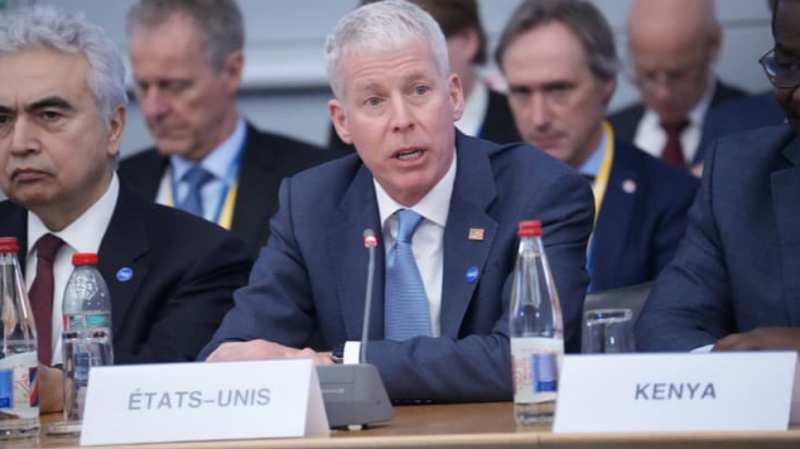





Comments