Mercedes Aims to Save €800 Million in German Labour Costs to Counter Global Pressures and US Competitiveness
Tap title to read story
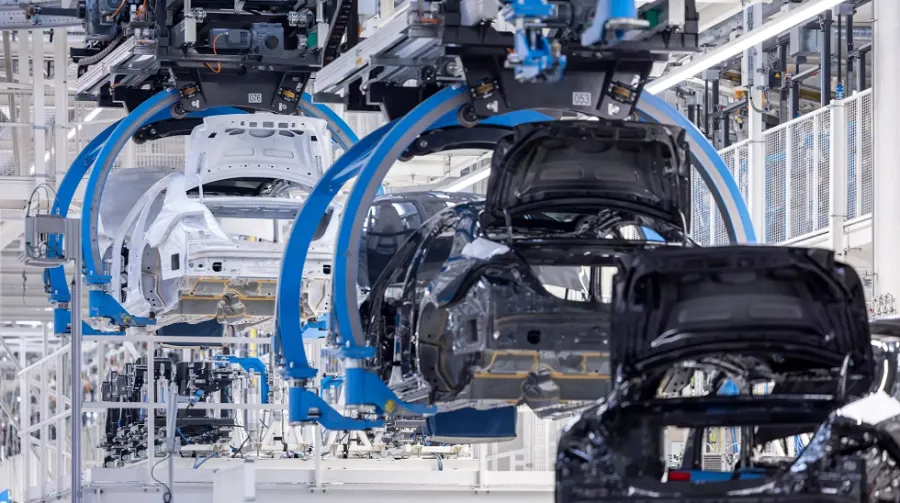
Mercedes-Benz plans to reduce labor costs in Germany by 800 million euros, according to a report published by WirtschaftsWoche citing internal sources. The restructuring initiative is designed to counter intense global competitive pressures, high domestic production costs, and shifting market dynamics involving the United States and international electric vehicle competitors. During an address at the Sindelfingen plant, production chief Michael Schiebe warned workers that domestic manufacturing expenses remain uncompetitive by global standards. Management indicated that failure to secure structural cost reductions could force the company to consider closing one vehicle assembly facility and one powertrain plant in Germany. The cost-cutting proposals run alongside existing employment security agreements protecting staff from compulsory redundancies through 2034. Labor representatives, including the IG Metall union, have strongly contested potential plant closures, organizing demonstrations and demanding viable alternatives for domestic manufacturing operations.
More context
Timeline
- On September 24 2026 WirtschaftsWoche publishes report detailing Mercedes-Benz's 800 million euro labor cost-saving target.
- On September 24 2026 Production chief Michael Schiebe addresses workers at the Sindelfingen plant regarding cost structures.
- On September 24 2026 IG Metall union and employee councils contest proposed plant closures and demand alternative solutions.
Why it matters
Immediate US impact: No material direct US impact identified. Possible long-term US impact: Reflects broader competitive pressures faced by European automakers operating within international markets including the United States. Most affected groups: Mercedes-Benz German manufacturing employees, IG Metall union members, local plant communities. Reader priority: Understanding the structural cost challenges and labor negotiations impacting major European industrial manufacturers.
Coverage notes
Left: Left-leaning outlets emphasize the potential impact on workers, labor rights, union pushback against plant closures, and job security. Center: Center outlets focus on corporate strategy, global competitiveness, financial restructuring figures, and macroeconomic pressures facing traditional automakers. Right: Right-leaning outlets highlight high domestic regulatory and labor costs in Europe, underscoring the necessity of corporate cost-cutting to compete globally against U.S. and Asian markets.
Primary report
Report on Mercedes-Benz cost-cutting measures and labor savings in Germany.
Sources
- CNN Business
- The Guardian
- Washington Post
- Los Angeles Times
- New York Times
- Reuters
- Bloomberg
- The Wall Street Journal
- CNBC
- Financial Times
- Associated Press
- MarketWatch
- Euronext
- Forbes
- Financial Post
- Barron's
- The Economist
- Business Insider
- U.S. News & World Report
- Nasdaq
- Morningstar
- Seeking Alpha
- BBC Business
- Politico
- Fortune
- Chicago Tribune
- Time
- Nikkei Asia
- Fox Business
JQJO Editorial Desk · Human reviewed · AI assisted. Report a correction.