The First Prediction-Market Election: How Kalshi and Polymarket Scrambled the Midterms
Tap title to read story
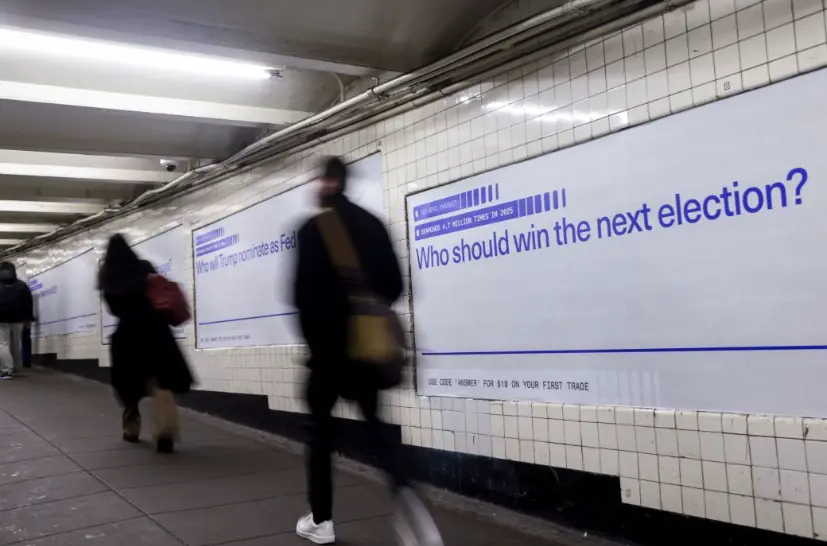
As the 2026 U.S. midterm elections approach, prediction market platforms such as Kalshi and Polymarket are experiencing a historic surge in trading activity, introducing complex challenges for election administrators, regulators, and voters. Total trading volume across major prediction platforms has escalated to $26.6 billion, according to blockchain analytics firm Dune, marking a sharp increase from previous cycles. Roughly two-thirds of this volume is concentrated on Kalshi, a federally regulated exchange that achieved a $22 billion valuation in its most recent funding round. State election officials across approximately 20 states have raised alarms that real-money wagers on congressional, gubernatorial, and local races could distort public expectations, influence voter behavior, or facilitate market manipulation. Concurrently, intense legal battles are playing out in federal and state courts to determine whether state-level gaming regulators possess the authority to oversee prediction exchanges or if federal commodities laws preempt local jurisdiction. In response to heightened regulatory pressure and scrutiny over potential conflicts of interest, prediction market operators have enacted stringent compliance measures, including rules barring political candidates from wagering on their own campaigns.
More context
Timeline
- On June 1 2026 Trading volume across major prediction platforms scales rapidly, reaching multi-billion dollar milestones.
- On August 15 2026 State election officials across roughly 20 states raise formal concerns regarding market manipulation and voter distortion.
- On September 1 2026 Kalshi and Polymarket introduce compliance rules restricting candidates and insiders from trading on related contracts.
- On September 7 2026 A federal appeals court panel rules on state licensing requirements for prediction platforms operating within regional jurisdictions.
- September 24, 2026 — Federal agencies and state legal teams continue monitoring platform compliance amid pending court resolutions.
Primary report
Sources
JQJO Editorial Desk · Human reviewed · AI assisted. Report a correction.