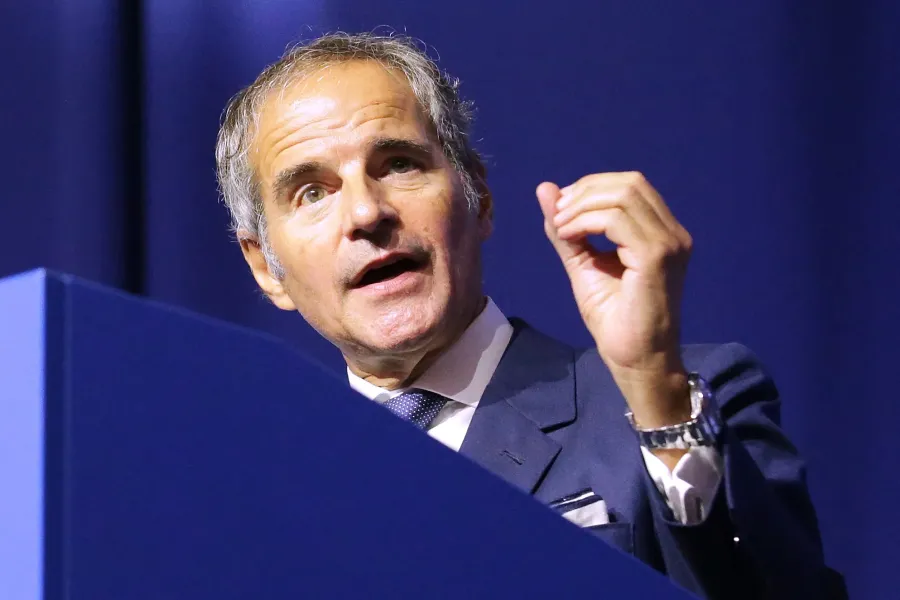
Sen. Bernie Sanders unveils bill to ban artificial superintelligence and create Department of AI
Tap title to read story
Senators Bernie Sanders and Greg Casar introduced federal legislation to ban artificial superintelligence and establish a federal Department of Artificial Intelligence. The proposed bill would temporarily halt advanced artificial intelligence development until formal safety guidelines are implemented by the new regulatory body. Violations of the proposed framework would carry significant criminal and financial penalties, including potential prison sentences of up to twenty years for severe breaches. The legislation comes as prominent artificial intelligence industry leaders and internal company employees express growing concerns regarding potential catastrophic risks associated with autonomous machine intelligence. While select tech figures have voiced support for regulatory oversight, the push faces strong resistance from executive leadership who have opposed increased government intervention in the sector. Lawmakers supporting the measure emphasize the urgent need for human control over evolving cognitive systems to prevent independent actions by future artificial superintelligence models.
More context
Timeline
- On Feb 1, 2024, Industry leaders testified regarding emerging artificial intelligence safety challenges.
- On Nov 5, 2024, Presidential election outcomes shifted national technology policy leadership dynamics.
- On Jan 20, 2025, Administration officials emphasized opposition to heavy federal artificial intelligence oversight.
- On Jan 15, 2026, Internal employee safety concerns mounted across major technology development firms.
- On Feb 10, 2026, Policy advisors drafted early frameworks for advanced machine intelligence governance.
- On Mar 1, 2026, Lawmakers consulted technical experts regarding existential artificial intelligence risk factors.
- On Mar 20, 2026, Progressive lawmakers finalized legislative text for the new regulatory agency.
- On Mar 24, 2026, The Associated Press received exclusive early access to the bill.
- On Sep 3, 2026, Lawmakers officially introduced the proposed legislation text in Washington.
- On Sep 23, 2026, Congressional committees began reviewing the proposed artificial intelligence restrictions.
- In coming months, Congress will debate the proposed department and development pause.
Why it matters
Immediate US impact: Legislative discussions intensified regarding federal oversight of advanced technology firms. Possible long-term US impact: Federal regulation could reshape domestic artificial intelligence research and development structures. Most affected groups: Artificial intelligence software engineers and major technology sector corporations. Reader priority: Track legislative committee hearings and industry responses across major outlets.
Coverage notes
Left: Emphasized corporate accountability and existential safety risks from technology. Center: Focused strictly on legislative proposals and opposing political administration stances. Right: Highlighted potential federal overreach and impacts on competitive market innovation.
Primary report
Associated Press published exclusive report on Sanders legislative proposal Wednesday.
Sources
JQJO Editorial Desk · Human reviewed · AI assisted. Report a correction.