AI Supercomputer Study Quantifies World Cup Harmful Brand Exposure
Tap title to read story
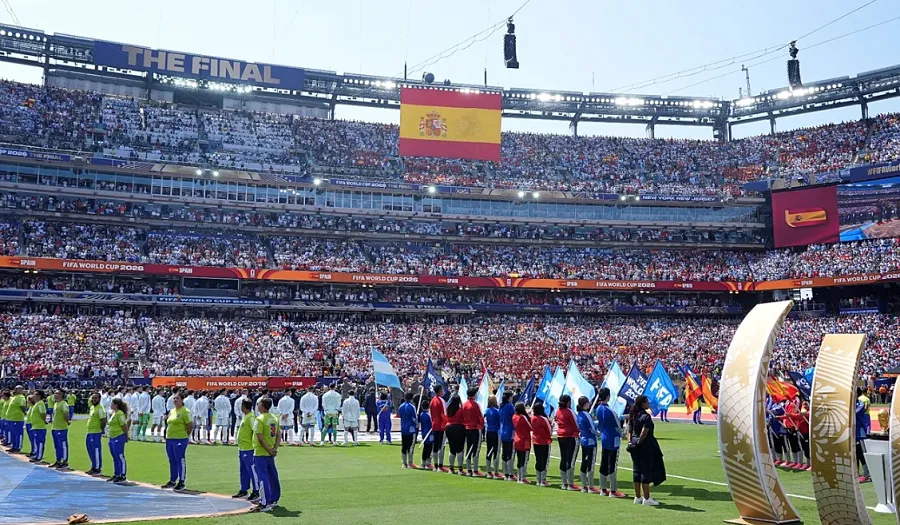
A comprehensive academic study published by the University of Bristol on September 22, 2026, revealed that viewers of the 2026 FIFA World Cup were exposed to junk food, alcohol, and gambling branding every seven seconds. Researchers utilized the Isambard-AI supercomputer to analyze 172.6 hours of live match footage across all 104 tournament matches.
The analysis recorded more than 93,000 visible appearances of harmful product branding on stadium perimeter hoardings. Unhealthy food and drink dominated the findings with over 65,000 detections, while gambling and prediction market logos appeared approximately 16,000 times.
The findings are based on a university supercomputer study quantifying broadcast stadium hoarding exposure rather than a direct sanction or ban by FIFA. Study co-author Dr. Raffaello Rossi and UK Gambling Reform APPG Co-Chair Alex Ballinger MP highlighted ongoing international regulatory gaps surrounding cross-border sports marketing of addictive and unhealthy products during global broadcasts.
More context
Timeline
- 2026 — The 2026 FIFA World Cup broadcasts 104 matches globally, generating extensive live match footage.
- 2026 — Researchers at the University of Bristol initiate an AI-driven study using the Isambard-AI supercomputer to analyze match broadcasts.
- On September 22 2026 The University of Bristol officially publishes the research study quantifying commercial branding during the World Cup.
- On September 22 2026 The supercomputer analysis reveals over 93,000 visible appearances of junk food, alcohol, and gambling branding, occurring every seven seconds.
- On September 22 2026 UK Gambling Reform APPG Co-Chair Alex Ballinger MP and researchers highlight ongoing international regulatory gaps in sports sponsorship.
Why it matters
Immediate US impact: No material direct US impact identified. Possible long-term US impact: The findings provide baseline data that may inform future public health advocacy and international sports broadcasting regulations regarding alcohol, gambling, and junk food sponsorships. Most affected groups: Global sports broadcast viewers, public health advocates, regulatory bodies, and sports marketing stakeholders. Reader priority: Medium
Coverage notes
Center: No NEWS outlet is framing the story in a materially distinct ideological way.
Primary report
The price of the beautiful game: how the biggest FIFA World Cup ever became a global platform for promoting harmful products
Sources
JQJO Editorial Desk · Human reviewed · AI assisted. Report a correction.