Trump signs Russia sanctions bill into law
Tap title to read story
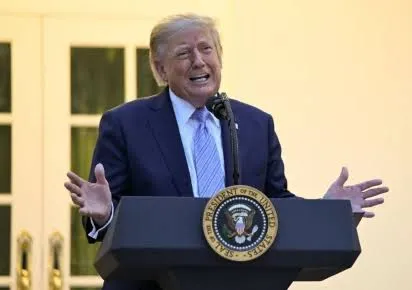
President Donald Trump signed the bipartisan Lindsey O. Graham Sanctioning Russia and Iran Act of 2026 into law, escalating economic measures against Moscow to counter its war in Ukraine. The legislation targets Russia’s energy and defense sectors, cracks down on illicit tanker fleets circumventing trade restrictions, and authorizes the executive branch to impose steep secondary tariffs on major global buyers of Russian energy. Named in honor of the late South Carolina Senator Lindsey Graham, who passed away in July, the bill completed its legislative path following passage in both the House of Representatives and a wide Senate margin. Critics and international trade partners have expressed concern that the broad secondary tariff provisions could introduce economic friction for third-party nations maintaining commercial ties with Moscow. Supporters maintain the package provides necessary leverage to compel diplomatic engagement.
More context
Timeline
- On July 2025, Senator Lindsey Graham passed away after a career in Congress.
- On August 2026, the United States Senate passed the legislation by a vote.
- On September 2026, the House of Representatives approved the final legislative text.
- On September 22, 2026, President Trump officially signed the sanctions bill into law.
- On coming weeks, federal agencies will draft implementation rules for secondary tariffs.
- On upcoming months, major oil-importing economies face decisions regarding Russian energy purchases.
- On future quarters, global shipping networks will adapt to shadow fleet restrictions.
- On upcoming years, trade compliance audits will target entities evading energy sanctions.
- On upcoming terms, future executives inherit broad presidential tariff enforcement authorities.
- On future timelines, diplomatic talks could alter enforcement based on peace negotiations.
Why it matters
Immediate US impact: Immediate US economic pressure increases on Russian energy and defense sectors. Possible long-term US impact: Long term trade friction may reshape global energy supply chains permanently. Most affected groups: Most affected groups include international energy traders and global shipping companies. Reader priority: Readers should prioritize primary legislative text and official White House announcements.
Coverage notes
Left: Framing emphasizes national security objectives while warning of global trade retaliation. Center: Framing reports legislative mechanics, bipartisan passage, and executive tariff authorities neutrally. Right: Framing highlights strong deterrence against adversaries and honors late senator legacy.
Primary report
President Trump signs Lindsey O. Graham Sanctioning Russia Act.
Sources
- Washington Post
- NBC News
- New York Times
- Guardian
- Moscow Times
- Toronto Star
- Reuters
- Associated Press
- Financial Express
- Hindustan Times
- The Jerusalem Post
- Times of India
- ANI News
- Bloomberg
- Wall Street Journal
- Politico
- USA Today
- The Hill
- Forbes
- Axios
- Time
- NPR
- Business Standard
- The Hindu
- Reuters UK
- AP News Europe
- Politico Europe
- Euronews
- Japan Times
- Straits Times
- CBC Canada
- Mexico News Daily
- Times of Israel
- Arab News
- Africa News
- News24 South Africa
- Daily Nation Kenya
- Manila Bulletin
- Newsmax
- Washington Examiner
- RT Online
- The Australian
- whitehouse.gov
JQJO Editorial Desk · Human reviewed · AI assisted. Report a correction.