Senior NATO commander warns Putin is becoming more cavalier and open to risk as Ukraine war drags on
Tap title to read story
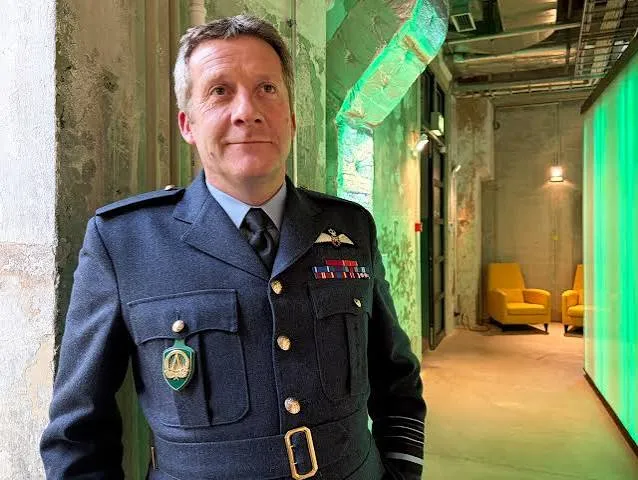
Senior North Atlantic Treaty Organization leadership warned that Russian President Vladimir Putin is exhibiting an increasingly cavalier attitude toward risk as the war in Ukraine prolongs. Alliance officials noted that the protracted nature of the conflict has fostered a higher tolerance within the Kremlin for high-stakes gambles, economic fallout, and potential military miscalculations. This shifting posture heightens concerns regarding potential border provocations and hybrid disruptions directed at member states. NATO assessments emphasize that Moscow remains an entrenched, long-term security challenge, showing little willingness to pursue negotiated settlements that compromise its core objective of subduing Ukraine. The alliance continues to evaluate its defensive posture and eastern flank security measures in response to these evolving strategic dynamics.
More context
Timeline
- On February 24 2022 Russian armed forces launched a full scale invasion of Ukraine.
- On April 4 2023 Finland officially joined the North Atlantic Treaty Organization alliance.
- On April 4 2024 NATO celebrated seventy fifth anniversary of its founding treaty.
- On July 9 2024 Alliance leaders pledged long term security assistance for Ukraine.
- On October 1 2024 Mark Rutte assumed office as the Secretary General.
- On January 20 2025 Donald Trump was inaugurated as United States President.
- On June 24 2025 Alliance defense ministers reviewed eastern flank reinforcement strategies.
- On February 24 2026 The conflict in Ukraine reached its fourth full year.
- On September 20 2026 Senior commanders reported increased Kremlin tolerance for military risks.
- On September 23 2026 NATO officials maintain heightened vigilance along eastern member borders.
- Alliance leaders will likely expand hybrid defense measures in coming months.
Why it matters
Immediate US impact: United States defense policy must adapt to heightened Russian risk. Possible long-term US impact: Prolonged confrontation will require sustained transatlantic military and economic commitments. Most affected groups: Department of Defense personnel intelligence analysts and European allies are affected. Reader priority: Readers should monitor official alliance statements and verified defense wire reports.
Coverage notes
Left: Highlighted alliance stability risks and civilian protection concerns across Europe. Center: Reported official military warnings focusing on strategic deterrence and security. Right: Emphasized deterrence strength and criticism of perceived administration policy limitations.
Primary report
Senior NATO commander warned Putin is increasingly open to risk.
Sources
- New York Times
- Independent
- The New Republic
- Toronto Star
- Reuters
- Associated Press
- Politico
- Washington Post
- Financial Times
- France 24
- Euronews
- Sky News
- Bloomberg
- CBC News
- NBC News
- NPR
- USA Today
- Newsweek
- Time
- The Hill
- Radio Free Europe / Radio Liberty
- Le Monde
- Politico Pro
- Evening Standard
- Forbes
- Sydney Morning Herald
- Al Arabiya
- Wall Street Journal
- The Times
- Daily Mail
- Express
JQJO Editorial Desk · Human reviewed · AI assisted. Report a correction.