Ermotti Rejects 90% Capital 'Compromise' at US Event, Warning Swiss Clampdown Will Cripple Wall Street Competitiveness
Tap title to read story
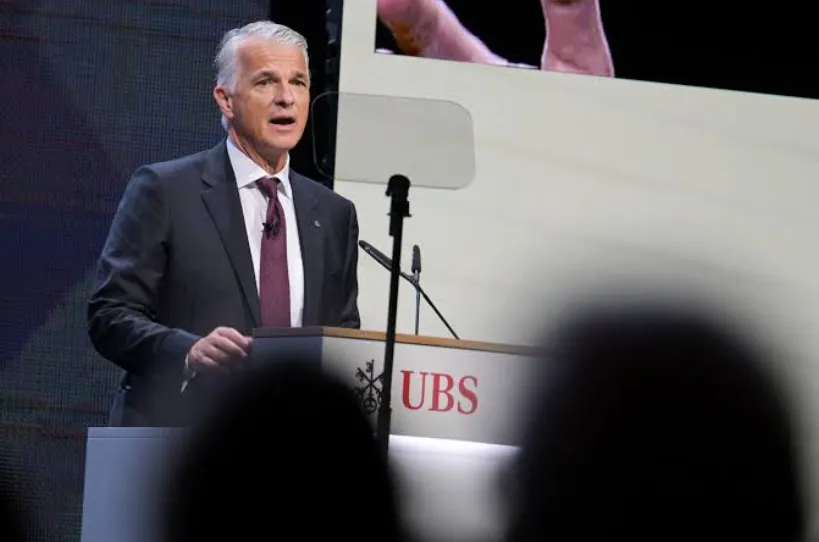
UBS Group AG Chief Executive Officer Sergio Ermotti publicly rejected a proposed ninety percent Common Equity Tier 1 capital backing requirement for foreign units, stating it fails to constitute a genuine compromise. Speaking at a Bank of America event, Ermotti warned that overly stringent Swiss banking regulations threaten the institution's international competitiveness against Wall Street and other major financial hubs. The regulatory debate follows the emergency state-backed acquisition of Credit Suisse in March 2023. The Swiss government initially proposed requiring UBS to back overseas business units with one hundred percent equity capital to safeguard taxpayers. A parliamentary committee previously suggested a compromise allowing fifty percent Additional Tier 1 capital. Ermotti described the AT1 option as bearable though painful, while dismissing ninety and one hundred percent equity rules as excessive. The upper house of the Swiss parliament is scheduled to vote on the upcoming legislative framework affecting future global market operations.
More context
Timeline
- On March 19, 2023, UBS acquired Credit Suisse during emergency rescue.
- On April 22, 2026, UBS warned about capital requirement increases from regulations.
- On May 7, 2026, CEO Sergio Ermotti discussed international expansion options publicly.
- On September 1, 2026, senate committee proposed fifty percent additional tier compromise.
- On September 16, 2026, lawmakers debated returning banking rules to federal council.
- On September 20, 2026, Ermotti warned against harsh capital rules in interviews.
- On September 21, 2026, Swiss business groups pressured parliament over banking mandates.
- On September 22, 2026, Sergio Ermotti rejected ninety percent capital proposal publicly.
- On September 23, 2026, the upper house scheduled a crucial parliamentary vote.
- On January 1, 2027, planned prudential valuation adjustments become effective for banks.
Why it matters
Most affected groups: Wall Street investors, major US banks, and international wealth clients. Reader priority: Monitor financial news services and regulatory filings for voting results. Us Impact: US banking sector competitiveness shifts amid strict Swiss capital mandates. Long Term Impact: Global financial institutions face permanent cost increases and tighter regulation.
Coverage notes
Left: Emphasizes systemic financial stability risks and protection of public funds. Center: Focuses strictly on corporate financial figures, market competition, legislative votes. Right: Highlights excessive regulatory burdens harming international business competitiveness and returns.
Primary report
Reuters published Ermotti rejecting capital proposals at an event.
Sources
- Swissinfo
- Swissinfo Archive
- Reuters
- Global Banking and Finance Review
- Investing.com
- TradingView
- GuruFocus
- Tekedia
- IDNFinancials
- BondbloX
- Ad-Hoc-News
- IndexBox
- StreetInsider
- Menafn
- Euronext
- Ground News
- WealthBriefing
- Global Business Outlook
- Financial Advisor IQ
- FStech
- TradingView Reuters Feed
- UBS Official Media
- UBS Investor Relations
- Investing NG
- Reuters via Euronext
- Reuters Newsletter Feed
- Investing News
- Financial Times (TradingView)
JQJO Editorial Desk · Human reviewed · AI assisted. Report a correction.