SpaceX Starship Orbital Flight Test 7 Experiences Mid-Air Anomaly Over Pacific Ocean
PUBLISHED Sep 21, 2026, 9:19 AM ET
Read, Watch or Listen
SpaceX's Starship vehicle experienced an unexpected anomaly during its seventh integrated flight test, resulting in a loss of telemetry data over the Pacific Ocean. The uncrewed test flight lifted off from Starbase in Boca Chica, Texas, carrying a simulated payload of next-generation Starlink satellites. Initial ascent stages proceeded nominally, with hot-staging separation successfully executed and all six Raptor engines on the Super Heavy booster firing during the boostback burn. However, approximately 38 minutes into the flight, during the upper stage coast phase prior to planned in-space reignition tests, flight controllers at SpaceX headquarters in Hawthorne, California, reported a sudden loss of signal and telemetry indicators. Federal Aviation Administration officials confirmed that air traffic management advisories were immediately issued across maritime and airspace corridors in the designated splashdown zone north of the Hawaiian Islands. SpaceX representatives stated that automated flight termination systems may have been triggered following an off-nominal pressure reading in the ship's header tanks. Engineering teams from SpaceX, alongside on-site Federal Aviation Administration mishap investigators, are currently reviewing telemetry logs recovered prior to signal loss. The anomaly marks a major flight hardware disruption for the Starship program, temporarily impacting upcoming commercial deployment schedules and National Aeronautics and Space Administration Artemis lunar landing milestones.
By Shahbaz A. | JQJO News
Timeline of Events
- January 16, 2025 — SpaceX launches Starship Flight 7 from Starbase in Boca Chica, Texas.
- January 16, 2025 — Flight controllers report loss of signal and telemetry data during the upper stage coast phase.
- February 24, 2025 — SpaceX concludes anomaly investigation, identifying harmonic response and propellant leaks in the ship's attic.
News Intelligence
- Immediate US impact: U.S. aerospace operations and FAA air traffic advisories were temporarily activated across maritime corridors north of Hawaii.
- Possible long-term US impact: The anomaly influences ongoing safety reviews and hardware redesigns impacting NASA's Artemis lunar timeline and commercial Starlink deployment schedules.
- Most affected groups: Aerospace engineers, commercial satellite operators, and regulatory agencies.
- Reader priority: Monitor upcoming FAA mishap investigation reports and scheduled hardware updates for subsequent Starship flight tests.
- Articles Published:
- 12
- Right Leaning:
- 1
- Left Leaning:
- 0
- Neutral:
- 11
- Distribution:
- Left 0%, Center 92%, Right 8%
Left: Emphasis on regulatory oversight, safety risks, and potential environmental or debris concerns. Center: Focus on technical telemetry loss, mission milestones, and commercial aerospace impacts. Right: Highlighting commercial resilience, private space innovation, and technological testing rigor.
Starship vehicle experienced an unexpected anomaly resulting in telemetry loss over the Pacific Ocean https://www.reuters.com/technology/space/spacex-starship-anomaly-pacific-ocean-2026-09-21/
Coverage of Story:
From Left
No left-leaning sources found for this story.
From Center
Explosion of Starship Flight 7 traced to fires in rocket's 'attic,' SpaceX says
Space.com Space Explored Reuters Associated Press Bloomberg NASA Spaceflight Financial Times Houston Chronicle Forbes GeekWire Politico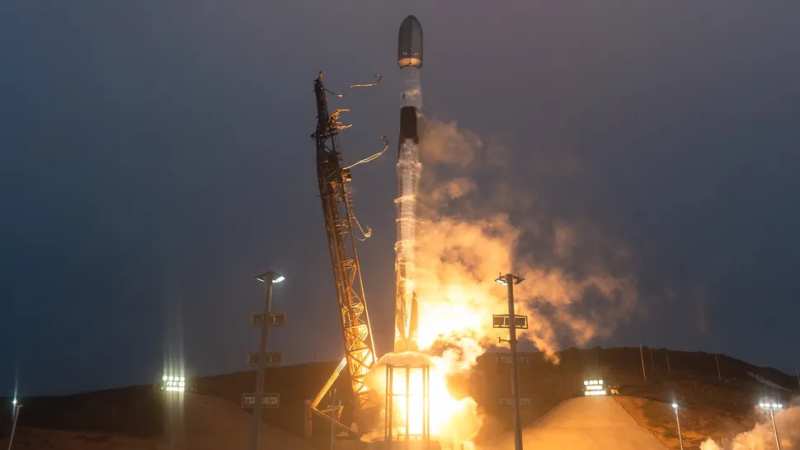




Comments