Vessels trickle through Strait of Hormuz as Mideast tension persists
PUBLISHED Sep 20, 2026, 11:17 PM ET
Read, Watch or Listen
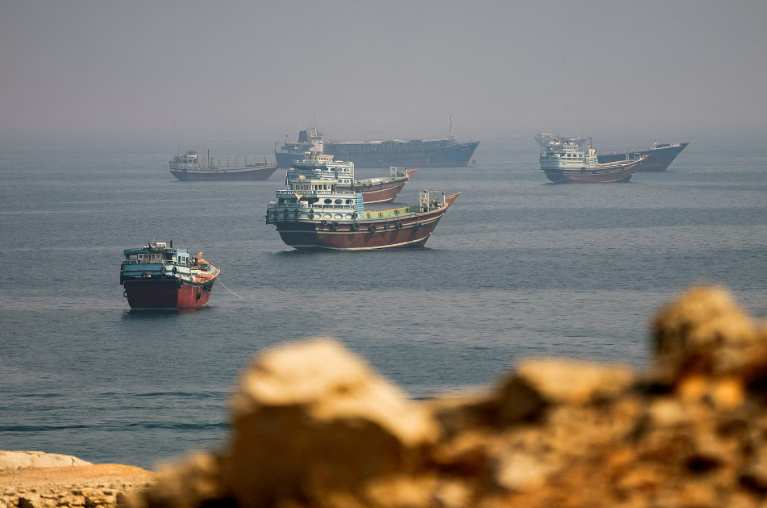
Commodity vessel transits through the Strait of Hormuz dropped to 12 over the weekend, down from 35 the previous weekend, according to shipping data released on Monday. Persistent geopolitical deadlock between the United States and Iran continues to restrict visible commercial traffic through the vital maritime energy chokepoint. Prior to the ongoing conflict starting February 28, the route routinely handled roughly 125 large commercial vessels daily. Middle Eastern energy producers currently maintain constrained crude and gas exports by utilizing tankers operating with public transponders switched off. Analytics firm Kpler recorded four outbound trackable vessels and two inbound small tankers on Sunday, following five outbound and one inbound gas carrier movements on Saturday. Market analysts note that elevated war risk insurance premiums and security threats heavily suppress non-tanker participation, isolating standard container and bulk carriers from the corridor. Washington asserts ongoing naval escorts preserve open lanes, while Tehran enforces strict rules.
By Yusra M. | JQJO News
Timeline of Events
- On Feb 28, 2026, allied airstrikes initiated Persian Gulf regional military conflict.
- On Mar 04, 2026, Iran declared Strait of Hormuz closed to allied shipping.
- On Mar 27, 2026, IRGC restricted transit to designated friendly nation ports.
- On Jun 17, 2026, temporary diplomatic memorandum signed but enforcement remained disputed.
- On Aug 25, 2026, US confirmed clearing naval mines from traffic lanes.
- On Sep 16, 2026, CENTCOM stated waterway remains open despite ongoing blockades.
- On Sep 18, 2026, war risk insurance rates hit fifty times normal baselines.
- On Sep 19, 2026, Kpler logged temporary spike reaching thirty recorded vessel transits.
- On Sep 20, 2026, tracking data recorded daily throughput dropping to four ships.
- On Sep 21, 2026, weekend tracking recorded twelve total commodity vessel transits overall.
News Intelligence
- Immediate US impact: High war risk insurance spikes squeeze domestic fuel transport margins.
- Possible long-term US impact: Persistent Gulf maritime bottlenecks elevate baseline energy inflation risks nationwide.
- Most affected groups: Domestic refiners, maritime insurers, logistics firms, consumers, transport fleets.
- Prioritisation: Track official CENTCOM maritime advisories and live Kpler tracking feeds.
- Articles Published:
- 22
- Right Leaning:
- 3
- Left Leaning:
- 1
- Neutral:
- 18
- Distribution:
- Left 5%, Center 82%, Right 14%
Left: Emphasizes regional humanitarian strain, escalation risks, and diplomatic stalemates. Center: Focuses strictly on quantitative vessel counts, tracking data, and market metrics. Right: Highlights Iranian military defiance, maritime security threats, and supply disruption costs.
Analytics firm Kpler released weekend transit figures showing 12 commodity ships. https://www.reuters.com/world/middle-east/vessels-trickle-through-strait-hormuz-mideast-tension-persists-2026-09-21/
Coverage of Story:
From Center
Vessels trickle through Strait of Hormuz as Mideast tension persists
Reuters Ft Thehindu Maaal AP News AP News Al Monitor Bloomberg Tradewindsnews Argusmedia Spglobal Haaretz Reuters Bloomberg Ft AP News Axios Politico ProFrom Right
Hormuz vessel traffic drops to a trickle over the weekend
Iranintl The Wall Street Journal The Wall Street Journal





Comments