US coalminers plead for immediate health benefits as black-lung disease cases surge
PUBLISHED Sep 20, 2026, 11:11 PM ET
Read, Watch or Listen
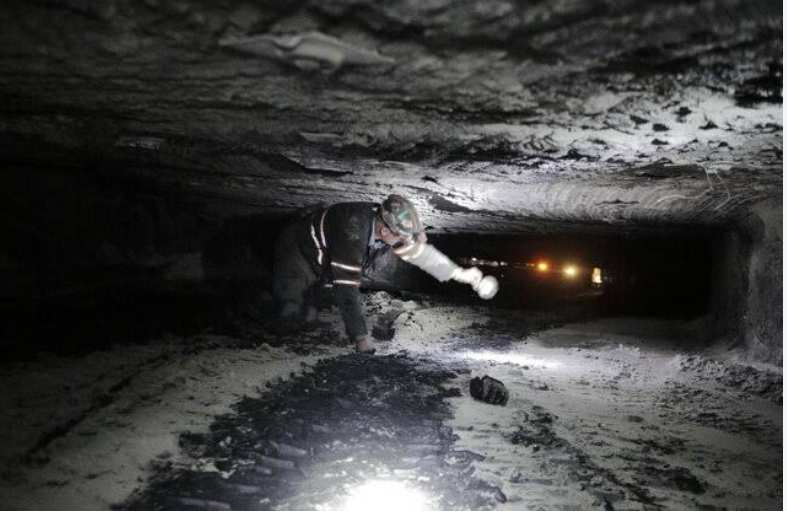
Appalachian coal miners urge federal authorities for urgent black lung disability benefits amid a soaring fifty year high in occupational disease rates. National Institute for Occupational Safety and Health data show 32.5 percent of veteran underground miners in Central Appalachia suffer from coal workers pneumoconiosis. Toxic respirable silica dust from thin seam mining accelerates irreversible pulmonary scarring. More than 1700 U.S. miners died between 2020 and 2023. Affected families face multiyear legal appeals by operators delaying awarded monthly compensation of $793. United Mine Workers of America leaders demand expedited fund reforms and tighter silica rules. Department of Labor officials enforce current limits of 100 micrograms per cubic meter amid ongoing industry litigation. Clinicians report younger diagnosis ages requiring supplemental oxygen, pulmonary rehab, and bronchodilators. Disease progression remains irreversible with no medical cure. Advocacy groups urge Congress to tie monthly payments directly to inflation rather than federal GS pay scales today.
By Yusra M. | JQJO News
Timeline of Events
- On December 30, 1969, Federal Coal Mine Health and Safety Act established benefits.
- On January 01, 1978, Black lung prevalence reached historical peak among miners.
- On January 01, 2014, Coal operator appealed disability award for miner Josh Armes.
- On January 01, 2020, National government data tracked rising underground silica dust exposure.
- On January 01, 2020, More than 1700 U.S. coal miners died from black lung.
- On April 18, 2024, MSHA finalized tighter workplace respirable crystalline silica standards rule.
- On August 01, 2026, NIOSH published study finding 32.5 percent central Appalachia miner prevalence.
- On September 11, 2026, National Black Lung Association meeting gathered miners in Virginia.
- On September 20, 2026, Miners and families pleaded publicly for immediate federal health benefits.
- On September 21, 2026, Department of Labor maintained enforcement at 100 micrograms limit.
News Intelligence
- Immediate US impact: Families face prolonged benefit delays and mounting out-of-pocket costs.
- Possible long-term US impact: Legislative reform could permanently tie trust fund payouts to inflation.
- Most Affected: Central Appalachian coal miners, families, and West Virginia/Virginia clinics.
- Priority Guidance: Primary NIOSH data, Department of Labor benefit notices, legal updates.
- Articles Published:
- 21
- Right Leaning:
- 3
- Left Leaning:
- 4
- Neutral:
- 14
- Distribution:
- Left 19%, Center 67%, Right 14%
left: Focuses on regulatory delays, corporate liability shifting, and worker endangerment. Center : Reports NIOSH data metrics, legal limbo, and agency enforcement stance neutrally. Right : Emphasizes historical exposure lags, compliance economics, and balanced production safeguards.
The Guardian published investigative report on black lung benefit appeals surge. https://www.theguardian.com/us-news/2026/sep/20/us-coalminers-black-lung-disease
Coverage of Story:
From Left
US coalminers plead for benefits as black-lung disease cases surge
The Guardian The Militant World Socialist Web Site Inside Climate NewsFrom Center
Benefits for Coal Miners with Black Lung Falling Behind Rate of
Appalachian Citizens Law Center Centers for Disease Control and Prevention U.S. Department of Labor Cleveland Clinic American Lung Association AP News West Virginia Watch Virginia Public Media Ohio Capital Journal Kentucky Lantern Stateline Reuters Bloomberg Law NPRFrom Right
Coal producers navigate compliance costs as respiratory claims climb
Wall Street Journal National Review Daily Caller






Comments