A carbon-credit land rush is hollowing out New Zealand farm country
PUBLISHED Sep 21, 2026, 2:46 PM ET
Read, Watch or Listen
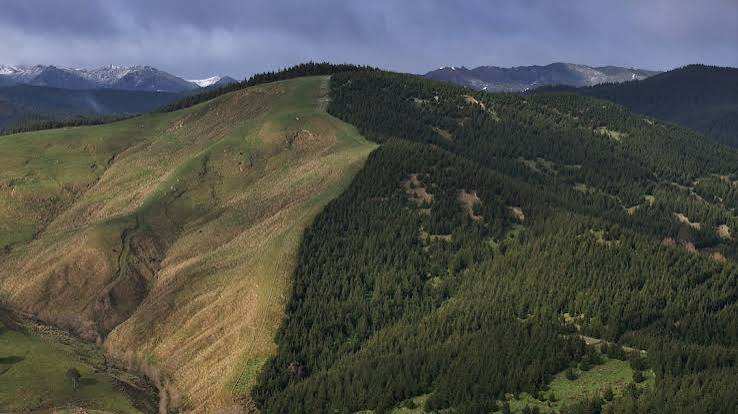
Traditional sheep and beef farming in New Zealand faces mounting economic pressure as carbon-credit revenues under the Emissions Trading Scheme incentivize land conversion into pine forests. Industry data from Beef plus Lamb New Zealand shows that approximately 3,300 square kilometers of productive pastoral land have been sold for forestry since 2017, reducing the national sheep flock capacity by nearly nine percent. Local agricultural producers report increasing challenges from neighboring forestry blocks, including invasive plant species, uncontrolled feral animal populations, and encroaching vegetation damaging rural electrical infrastructure. While forestry expansion aids national carbon offset objectives, agricultural organizations express concern over the long-term viability of traditional rural economies and food production capacity. The land-use shift highlights an ongoing policy conflict between domestic climate mitigation goals and the preservation of pastoral farming traditions across rural New Zealand communities.
By Haya | JQJO News
Timeline of Events
- On January 1, 2017, changing national emissions policies began altering rural land markets.
- On December 31, 2019, forestry investors increased pastoral acquisitions driven by credit values.
- On January 1, 2021, industry groups documented thousands of hectares converted to pine.
- On December 31, 2022, local farmers reported rising pest populations near new forests.
- On January 1, 2023, infrastructure damages from encroaching trees escalated power outage frequencies.
- On December 31, 2024, total converted pastoral land reached 3,300 square kilometers.
- On January 1, 2025, agricultural representatives formally requested regulatory reviews on land sales.
- On December 31, 2025, regional councils debated stricter weed and pest control mandates.
- On September 1, 2026, rural communities faced continuous infrastructure threats from overgrown timber.
- On September 22, 2026, ongoing carbon acquisitions continue challenging traditional livestock production systems.
News Intelligence
- Immediate US impact: Limited immediate domestic impact on agricultural supply chains or pricing.
- Possible long-term US impact: Potential long-term shifts in global meat export pricing and volume.
- Most affected groups: Rural New Zealand livestock farmers and regional agricultural supply businesses.
- Reader priority: Track verified environmental policy reports and agricultural economic market analyses.
- Articles Published:
- 33
- Right Leaning:
- 6
- Left Leaning:
- 4
- Neutral:
- 23
- Distribution:
- Left 12%, Center 70%, Right 18%
Left: Environmental benefits prioritized while acknowledging rural economic displacement challenges. Center: Balanced overview focusing strictly on land market economics and data. Right: Emphasis on private property rights and regulatory market distortions.
Reuters published investigation regarding carbon credit land rush impacts. https://www.reuters.com/world/asia-pacific/carbon-credit-land-rush-is-hollowing-out-new-zealand-farm-country-2026/
Coverage of Story:
From Left
In New Zealand, Trees Are Replacing Sheep to Chase Carbon Credits
New York Times The Independent Toronto Star The AtlanticFrom Center
A carbon-credit land rush is hollowing out New Zealand farm country
Reuters Radio New Zealand Bloomberg Associated Press Financial Times CBC News Politico The Straits Times Telegraph India The Japan Times Yonhap News Agency Taiwan News Vanguard RTE Euronews Politico EU Quartz Fast Company New Scientist Cosmos Magazine Lowy Interpreter Time NewsweekFrom Right
Carbon Markets Alter Economics of New Zealand Agricultural Land
Wall Street Journal The Australian Forbes The Times The Daily Mail Irish IndependentRelated News



Even medical professionals are skipping health insurance because of high prices
21st September, 2026




Comments