US Fed, BoE step up scrutiny of bank exposure to trading firms after Jane Street loss, FT reports
Tap title to read story
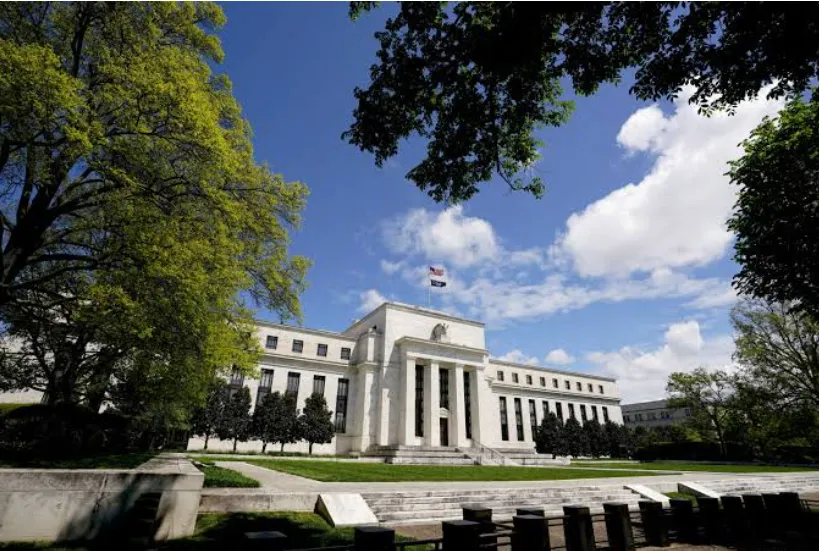
The Bank of England and the United States Federal Reserve have intensified regulatory scrutiny regarding global financial institutions exposure to major trading firms. This heightened oversight follows substantial market turbulence and a reported fifteen billion dollar loss incurred by Jane Street in July. The losses were linked to the collapse of the artificial intelligence hedge fund Situational Awareness, managed by former OpenAI researcher Leopold Aschenbrenner. Central bank officials are requesting comprehensive data regarding trading firms risk appetites, intraday exposure evolution, and internal risk control mechanism. Last month, the Securities and Exchange Commission issued subpoenas to major Wall Street lenders, examining leverage utilization and margin call triggers. Regulatory bodies aim to prevent systemic vulnerabilities stemming from nonbank financial intermediaries amid shifting economic conditions. Representatives for the Federal Reserve, the Bank of England, and Jane Street have not provided immediate public comments outside of standard operating business hours on Monday morning today.
More context
Timeline
- On August 15, 2026, Jane Street reported massive trading losses.
- On August 14, 2026, SEC issued subpoenas to Wall Street.
- On July 31, 2026, Situational Awareness collapsed amid market selloff.
- On July 15, 2026, AI stocks experienced sharp market declines.
- On May 8, 2026, Jane Street posted record quarterly revenue.
- On April 25, 2026, annual trading reports highlighted market dominance.
- On September 21, 2026, Financial Times reported central bank scrutiny.
- On September 21, 2026, Federal Reserve initiated inquiries into lenders.
- On September 21, 2026, Bank of England requested exposure data.
- In coming months, regulators will expand global banking risk audits.
Why it matters
Immediate US impact: Wall Street banks face intense regulatory pressure over trading exposures. Possible long-term US impact: Stricter lending rules may reduce liquidity across major financial markets. Most affected groups: Wall Street banks, hedge funds, institutional investors, and market makers. Reader priority: Official regulatory announcements and financial reports from primary banking sources.
Coverage notes
Left: Highlight systemic risks and regulatory failures within Wall Street banking. Center: Report factual central bank inquiries following major hedge fund losses. Right: Emphasize excessive government oversight impacting financial market liquidity and freedom.
Primary report
Financial Times reported central bank scrutiny on September 21 2026.
Sources
JQJO Editorial Desk · Human reviewed · AI assisted. Report a correction.