El Niño Weather Shock Triggers Global Food Price Surge
Tap title to read story
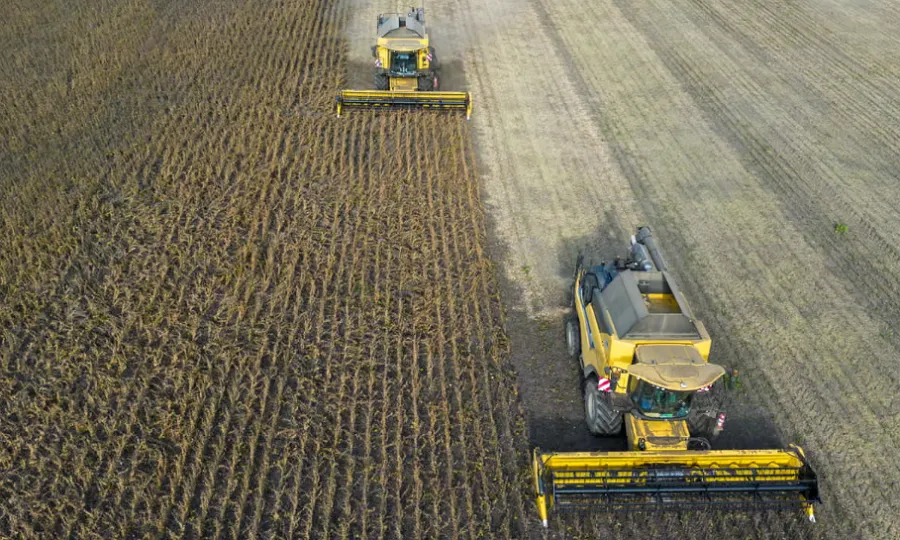
A powerful El Niño weather pattern strengthening in the Pacific is reshaping global agricultural markets and driving up food costs across the United States. Agricultural commodities have experienced sharp price escalations since late June, with corn futures jumping roughly one-third and sugar prices surging nearly 25% since late July. The World Meteorological Organization projects the climate phenomenon will persist through February, threatening key crop yields across major global breadbaskets. Drought conditions in India have left cotton, soybeans, corn, and rice vulnerable during critical growing stages. In South America, Peru ended its anchovy fishing season early due to warming waters, squeezing global supplies of fish oil and animal feed. Global food prices tracked by the United Nations climbed to their highest level since 2022, compounding cost-of-living pressures for American consumers. Economic researchers estimate potential multi-year macroeconomic damage running into trillions of dollars as weather volatility strains supply chains and consumer staples.
More context
Timeline
- June 2026 — Agricultural commodity prices begin sharp upward escalations, with corn futures rising.
- July 2026 — Sugar prices surge nearly 25% amid intensifying weather disruptions in major growing regions.
- February 2027 — WMO projected persistence end-date for the current El Niño climate phenomenon.
Why it matters
Immediate US impact: U.S. consumers face elevated retail grocery prices and increased input costs for food manufacturing and animal feed. Possible long-term US impact: Prolonged agricultural supply constraints threaten to keep food inflation sticky, impacting broader U.S. consumer purchasing power. Most affected groups: American households, grocery shoppers, food and beverage corporations, and agricultural commodities traders. Reader priority: Monitor upcoming United Nations FAO food price indices and USDA crop production reports for supply updates.
Coverage notes
Left: Emphasizes the climate change connection and broader socioeconomic impacts on vulnerable populations. Center: Focuses on market mechanics, commodity futures pricing data, and agricultural supply chain impacts. Right: Highlights the inflationary cost burden on consumer budgets and macroeconomic pressures.
Primary report
El Niño Climate Phenomenon Assessment Report
Sources
JQJO Editorial Desk · Human reviewed · AI assisted. Report a correction.