Trump Cuts Short Camp David Stay Amid Rising Middle East Tensions
Tap title to read story
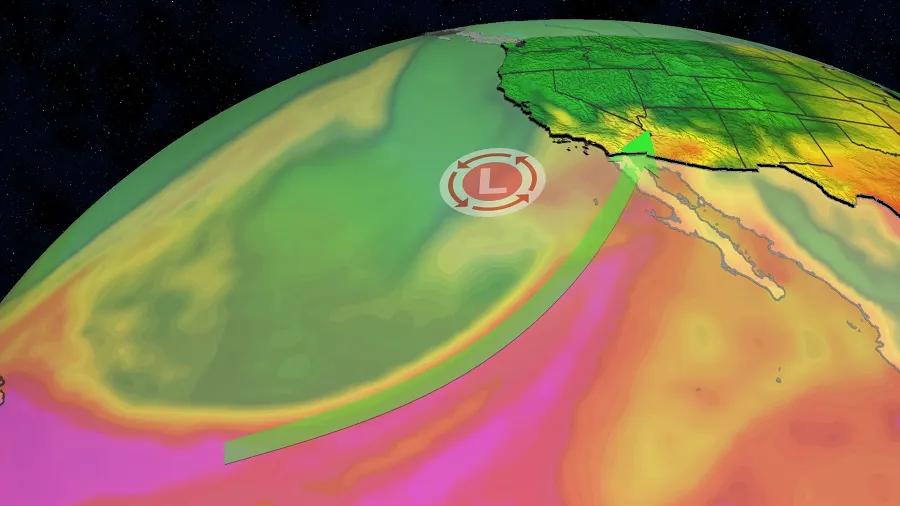
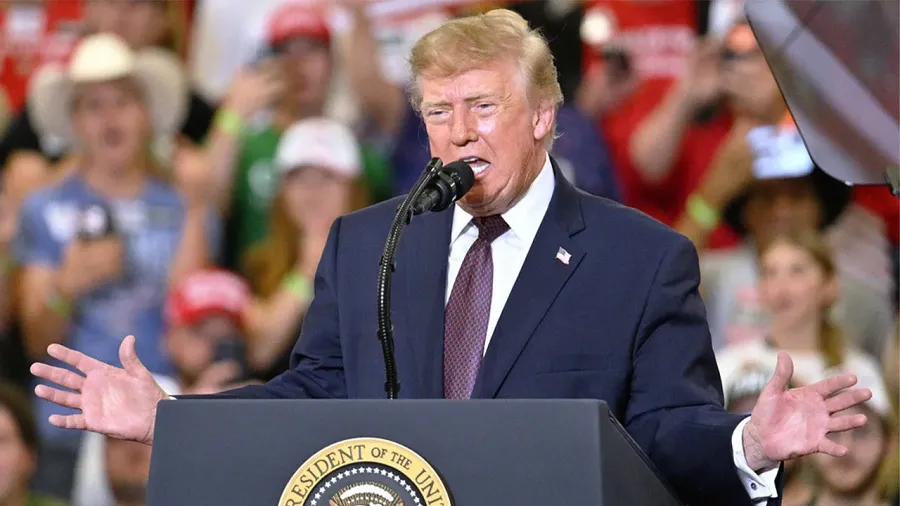
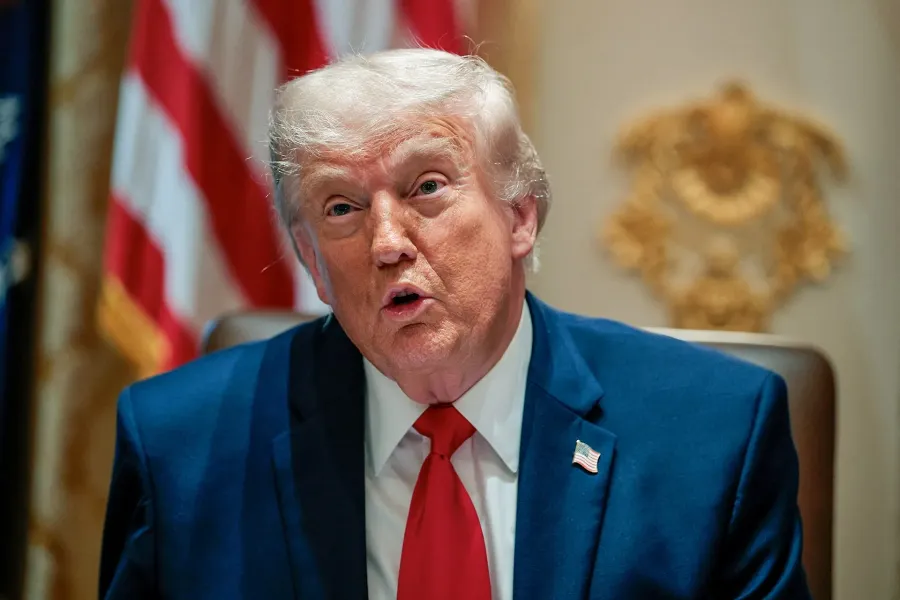
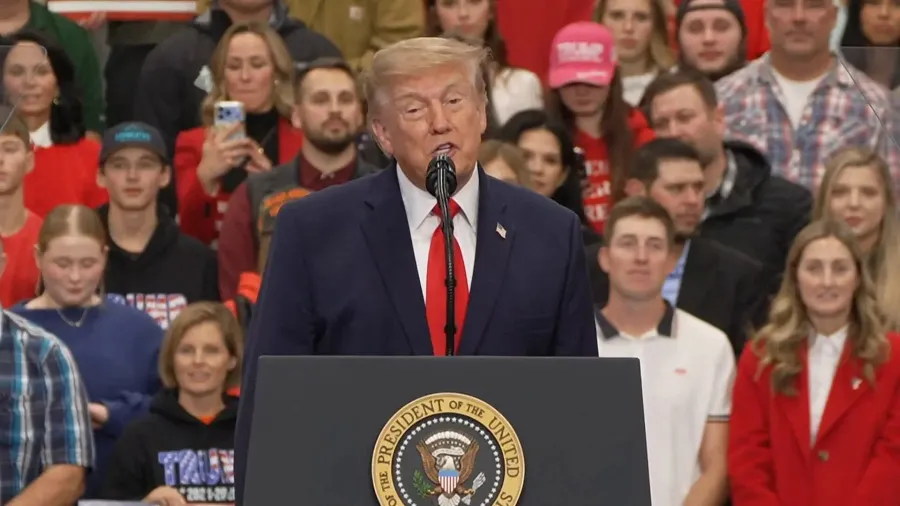
U.S. President Donald Trump cut short his weekend stay at Camp David and returned to the White House on Saturday amid escalating geopolitical tensions in the Middle East. The administration altered the presidential schedule, which previously scheduled his return for Sunday, as Marine One landed near the White House on Saturday evening. Officials did not provide an official explanation for the early departure, though weather forecasts indicated incoming rain and thunderstorms in the region. Simultaneously, the U.S. State Department and several regional embassies issued heightened security alerts, urging American citizens to reconsider travel to and through the Middle East. The advisories highlighted rising hostilities involving Iran-backed Houthi forces targeting Saudi infrastructure and civilian airports, warning of potential rapid military escalation and threats to global U.S. interests.
More context
Timeline
- On September 19, 2026, President Donald Trump arrived at Camp David for a scheduled weekend presidential retreat.
- On September 20, 2026, Saudi authorities intercepted a ballistic missile fired toward Riyadh by Houthi forces.
- On September 20, 2026, Iran communicated seven conditions for ending regional hostilities to Washington via Qatari mediators.
- On September 20, 2026, the U.S. State Department issued updated travel warnings urging Americans to reconsider regional travel.
- On September 20, 2026, a NORAD F-16 intercepted a general aviation aircraft near restricted airspace over Camp David.
- On September 20, 2026, the White House updated presidential travel plans to advance the return schedule.
- On September 20, 2026, Marine One transported President Donald Trump back to the White House on Saturday evening.
- On September 20, 2026, international news agencies reported unexpected schedule changes citing regional security developments.
- On September 20, 2026, diplomatic missions across the Middle East heightened alert levels for U.S. personnel and citizens.
- On September 20, 2026, administration officials began deliberations regarding upcoming diplomatic engagements at the United Nations General Assembly.
Why it matters
Immediate US impact: Immediate US impact involves heightened security alerts and travel advisories. Possible long-term US impact: Long-term US impact includes potential escalation in Middle East military conflicts. Most affected groups: Most affected groups include U.S. travelers, diplomats, and military personnel abroad. Reader Priorities: Readers should prioritize official State Department advisories and verified wire reports.
Coverage notes
Left: Framing emphasizes escalating foreign conflicts and administration crisis management challenges. Center: Framing focuses on chronological schedule updates and official travel warnings. Right: Framing highlights presidential decisive action against foreign security threats.
Primary report
White House pool report announced early presidential return on Saturday.
Sources
JQJO Editorial Desk · Human reviewed · AI assisted. Report a correction.