How anti-Muslim rhetoric is influencing the pivotal Michigan Senate race
Tap title to read story
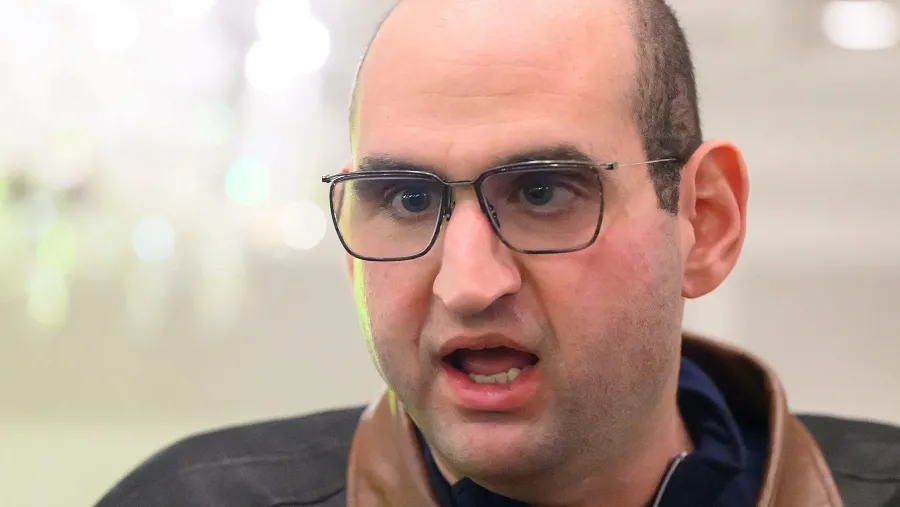
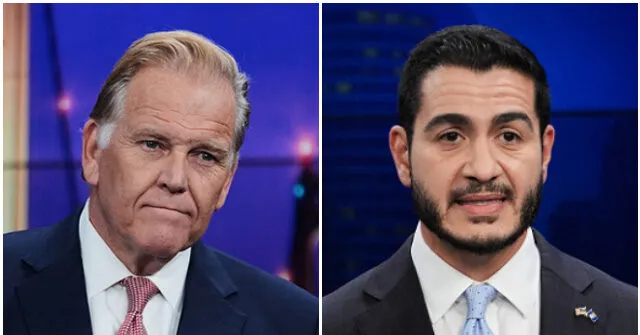
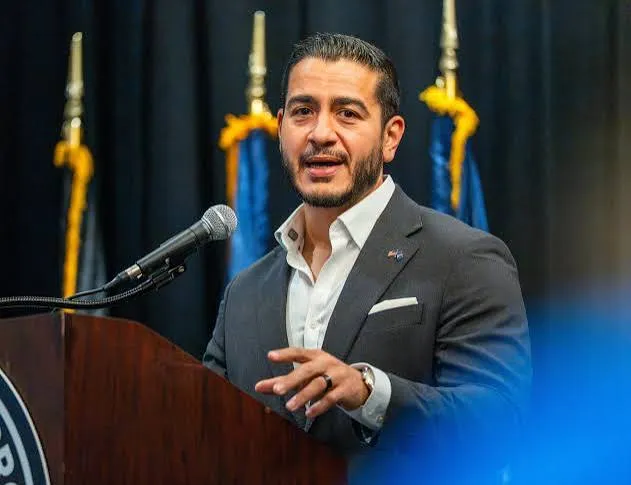
Abdul El-Sayed secured a historic Democratic nomination for the United States Senate in Michigan, becoming the first Muslim nominated by a major party for the seat. Following his primary victory, right-wing commentators and digital influencers amplified video footage of him using the phrase Inshallah on election night, triggering a sharp surge in anti-Muslim content across platforms like X. Republican opponent Mike Rogers and aligned political action committees subsequently targeted El-Sayed over past associations with progressive figures, framing his candidacy around national security concerns. Rogers maintained that campaign criticisms focus strictly on policy records rather than religious identity. Meanwhile, El-Sayed accused his opponent of leveraging Islamophobia for political advantage. The escalating rhetoric resulted in real-world community tensions, including hostile demonstrations in Dearborn, forcing local leaders and candidates to enhance personal security measures as the tight election approaches.
More context
Timeline
- On August 5, 2026 Abdul El-Sayed won the historic Democratic primary nomination election.
- On August 6, 2026 Online social media platforms experienced significant spikes in anti-Muslim posts.
- On August 7, 2026 Republican campaign advertisements began targeting candidate associations and political records.
- On August 8, 2026 Far-right demonstrators staged hostile public protests within Dearborn city limits.
- On August 9, 2026 Security measures were increased around candidate family and campaign staff.
- On August 10, 2026 Analysts debated whether identity politics overshadowed standard economic voter concerns.
- On August 11, 2026 Campaign representatives exchanged public statements regarding policy versus religious focus.
- On August 12, 2026 Local community leaders expressed growing concern over rising civic tensions.
- On August 13, 2026 Independent media outlets reported on digital amplification patterns across platforms.
- On August 14, 2026 Voters continued prioritizing economic issues alongside heightened identity-based campaign narratives.
Why it matters
Immediate US impact: Campaign rhetoric heightens political polarization across United States Senate races. Possible long-term US impact: Voters may increasingly prioritize identity politics over standard economic policies. Most affected groups: Arab-American and Muslim communities in Michigan face heightened safety concerns. Reader priority: Voters should prioritize verified policy reporting over unverified social media claims.
Coverage notes
Left: Framing emphasizes rising Islamophobia and dangerous identity-based political attacks. Center: Framing focuses neutrally on campaign strategies and digital controversy impacts. Right: Framing highlights candidate policy records and associations with progressive figures.
Primary report
Digital amplification of election night remarks sparked widespread public controversy on August sixth.
Sources
- HuffPost
- New York Times
- The New Republic
- The Independent
- Al Jazeera
- Truthout
- Palestine Chronicle
- Reuters
- Associated Press
- Politico
- The Hill
- Wall Street Journal
- USA Today
- Bloomberg
- Detroit Free Press
- The Detroit News
- National Public Radio
- Newsweek
- Time
- Axios
- Forbes
- The Hilltop
- Washington Post
- International Business Times
- Quartz
- The Detroit Bureau
- Washington Times
- The Daily Caller
- The New York Sun
- The Western Journal
JQJO Editorial Desk · Human reviewed · AI assisted. Report a correction.