How anti-Muslim rhetoric is influencing the pivotal Michigan Senate race
PUBLISHED Sep 20, 2026, 7:44 AM ET
Read, Watch or Listen
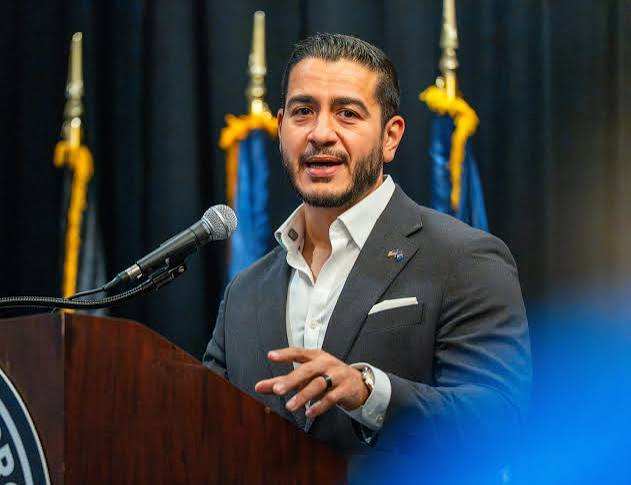
Abdul El-Sayed secured a historic Democratic nomination for the United States Senate in Michigan, becoming the first Muslim nominated by a major party for the seat. Following his primary victory, right-wing commentators and digital influencers amplified video footage of him using the phrase Inshallah on election night, triggering a sharp surge in anti-Muslim content across platforms like X. Republican opponent Mike Rogers and aligned political action committees subsequently targeted El-Sayed over past associations with progressive figures, framing his candidacy around national security concerns. Rogers maintained that campaign criticisms focus strictly on policy records rather than religious identity. Meanwhile, El-Sayed accused his opponent of leveraging Islamophobia for political advantage. The escalating rhetoric resulted in real-world community tensions, including hostile demonstrations in Dearborn, forcing local leaders and candidates to enhance personal security measures as the tight election approaches.
By Noormahi M. | JQJO News
Timeline of Events
- On August 5, 2026 Abdul El-Sayed won the historic Democratic primary nomination election.
- On August 6, 2026 Online social media platforms experienced significant spikes in anti-Muslim posts.
- On August 7, 2026 Republican campaign advertisements began targeting candidate associations and political records.
- On August 8, 2026 Far-right demonstrators staged hostile public protests within Dearborn city limits.
- On August 9, 2026 Security measures were increased around candidate family and campaign staff.
- On August 10, 2026 Analysts debated whether identity politics overshadowed standard economic voter concerns.
- On August 11, 2026 Campaign representatives exchanged public statements regarding policy versus religious focus.
- On August 12, 2026 Local community leaders expressed growing concern over rising civic tensions.
- On August 13, 2026 Independent media outlets reported on digital amplification patterns across platforms.
- On August 14, 2026 Voters continued prioritizing economic issues alongside heightened identity-based campaign narratives.
News Intelligence
- Immediate US impact: Campaign rhetoric heightens political polarization across United States Senate races.
- Possible long-term US impact: Voters may increasingly prioritize identity politics over standard economic policies.
- Most affected groups: Arab-American and Muslim communities in Michigan face heightened safety concerns.
- Reader priority: Voters should prioritize verified policy reporting over unverified social media claims.
- Articles Published:
- 30
- Right Leaning:
- 4
- Left Leaning:
- 7
- Neutral:
- 19
- Distribution:
- Left 23%, Center 63%, Right 13%
Left: Framing emphasizes rising Islamophobia and dangerous identity-based political attacks. Center: Framing focuses neutrally on campaign strategies and digital controversy impacts. Right: Framing highlights candidate policy records and associations with progressive figures.
Digital amplification of election night remarks sparked widespread public controversy on August sixth. https://apnews.com/article/michigan-senate-race-el-sayed-rogers-2026-08-11/
Coverage of Story:
From Left
Far-Right Trolls Target Historic Muslim Senate Nominee in Michigan
HuffPost New York Times The New Republic The Independent Al Jazeera Truthout Palestine ChronicleFrom Center
Michigan Senate Race Highlights Growing Partisan Divisions Over Identity Politics
Reuters Associated Press Politico The Hill Wall Street Journal USA Today Bloomberg Detroit Free Press The Detroit News National Public Radio Newsweek Time Axios Forbes The Hilltop Washington Post International Business Times Quartz The Detroit BureauFrom Right
GOP Targets Progressive Record in High-Stakes Michigan Race
Washington Times The Daily Caller The New York Sun The Western Journal



Comments