Whitehouse: Call Out the Corruption Propelling the US Climate Retreat
Tap title to read story
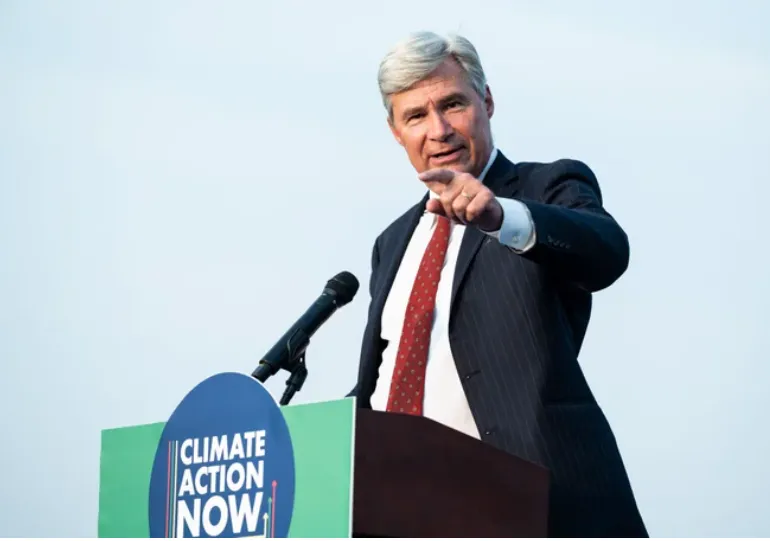
Senator Sheldon Whitehouse sharply criticized the political messaging of climate action advocates and fellow Democrats, arguing they have failed to identify the core drivers of environmental policy rollbacks in the United States. Speaking in an interview ahead of Climate Week NYC, the Rhode Island Democrat stated that public messaging ignores major industrial forces actively opposing federal climate initiatives. Whitehouse pointed to what he described as a climate denial fraud operation and a fossil fuel dark money network that have distorted public debate and hindered legislative progress. He emphasized that rising household energy expenses and environmental hazards should be directly tied to these financial interests rather than blamed solely on local utilities. The senator asserted that voters must understand how industry-backed efforts stall clean energy projects to protect federal subsidies and fossil fuel demand. His remarks highlight ongoing friction within national environmental politics regarding how to effectively counter large-scale regulatory rollbacks and combat public misinformation.
More context
Timeline
- On June 20, 2019, Senator Whitehouse denounced dark money influence on climate politics.
- On December 14, 2022, Whitehouse discussed fossil fuel industry networks during a university forum.
- On February 12, 2026, EPA Administrator Lee Zeldin announced major greenhouse gas rule rollbacks.
- On September 18, 2026, Democratic senators questioned Venezuelan oil funds in treasury accounts.
- On September 20, 2026, Inside Climate News published Whitehouse's interview on climate messaging.
- Expect continued congressional debate over fossil fuel subsidies and political dark money operations.
- Expect environmental coalitions to launch coordinated legal challenges against federal policy rollbacks.
- Expect climate advocates to adjust messaging strategies ahead of upcoming national midterm elections.
- Expect energy sector stakeholders to lobby heavily against proposed campaign finance disclosure bills.
- Expect increased public scrutiny regarding utility rate hikes and data center power demands.
Why it matters
Immediate US impact: Immediate US impact involves heightened political debate over energy costs. Possible long-term US impact: Long-term US impact includes potential shifts in national climate policy messaging. Most affected groups: Most affected groups include environmental advocacy organizations and fossil fuel industry executives. Reader Priorities: Readers should prioritize investigative environmental journalism and official congressional transcript releases.
Coverage notes
Left: Emphasizes corporate corruption and existential threats posed by fossil fuels. Center: Focuses on political strategy messaging debates and legislative lobbying transparency. Right: Focuses on criticizing progressive campaign finance narratives and supporting energy deregulation.
Primary report
Inside Climate News published Senator Whitehouse interview on September 20, 2026.
Sources
JQJO Editorial Desk · Human reviewed · AI assisted. Report a correction.