Climate change likely to have helped trigger Nepal glacier collapse, scientists say
PUBLISHED Sep 20, 2026, 12:28 PM ET
Read, Watch or Listen
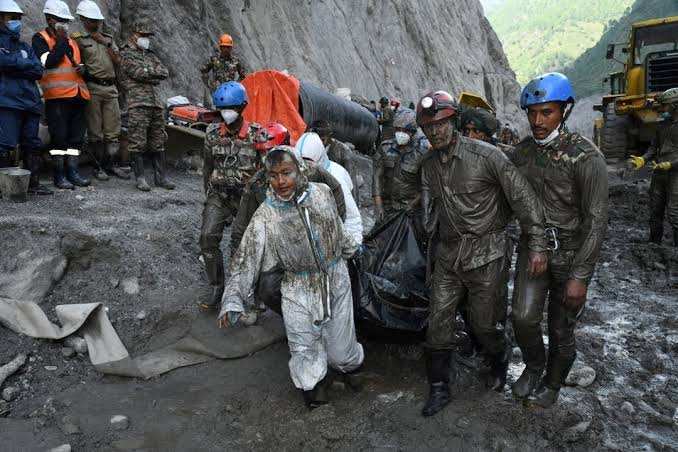
Climate change likely contributed to a catastrophic glacier and rock wall collapse on Nepal's Langtang Lirung mountain in late August, according to the World Weather Attribution group. The disaster triggered massive flooding that killed approximately 1,400 people and left thousands missing across parts of Nepal and Tibet. Researchers reported that August temperatures in the Himalayan region were roughly 5 degrees Celsius higher than normal, with 1.5 degrees directly linked to human-induced global warming. Rapidly rising temperatures accelerated glacier thinning and caused deep permafrost thawing, while unusually high snowfall last year produced excessive meltwater. Scientists noted that the slope was also structurally weakened by a 7.8 magnitude earthquake in 2015. Glaciers in the area have been thinning by about half a metre annually since 2000. Researchers concluded that extreme warmth and meltwater destabilized the geologically vulnerable slope, highlighting escalating climate risks for mountain regions.
By Haya | JQJO News
Timeline of Events
- On April 25, 2015, a massive magnitude earthquake struck the Himalayan mountain region.
- On November 30, 2024, heavy seasonal snowfall accumulated across regional high mountain slopes.
- On August 31, 2025, catastrophic glacier collapse and flooding impacted Nepal and Tibet.
- On September 4, 2025, international scientists initiated attribution research into the disaster.
- On October 23, 2025, World Weather Attribution released scientific findings linking climate change.
- On September 21, 2026, researchers continue monitoring Himalayan stability amid ongoing climate warming trends.
- On October 15, 2026, regional authorities plan infrastructure reviews for vulnerable mountain communities.
- On December 1, 2026, governments expect finalized adaptation policy reports for glacial hazards.
- On March 1, 2027, international climate panels will evaluate updated Himalayan risk models.
- On June 1, 2027, community warning systems deployment begins across high-risk Himalayan valleys.
News Intelligence
- Immediate US impact: Himalayan disaster raises global awareness on accelerating climate crisis impacts.
- Possible long-term US impact: Increased funding for international disaster mitigation and climate resilience initiatives.
- Most affected groups: Himalayan communities, downstream residents, emergency responders, and regional governments.
- Reader priority: Cross-reference multiple international news sources and official scientific research updates.
- Articles Published:
- 39
- Right Leaning:
- 7
- Left Leaning:
- 7
- Neutral:
- 25
- Distribution:
- Left 18%, Center 64%, Right 18%
Left: Emphasizes anthropogenic climate change driving severe global environmental disasters. Center: Reports scientific findings neutrally regarding warming temperatures and disaster triggers. Right: Focuses strictly on meteorological data while questioning activist policy implications.
World Weather Attribution published research report on Nepal glacier collapse. https://www.worldweatherattribution.org/nepal-glacier-collapse-2025/
Coverage of Story:
From Left
How climate change helped trigger the catastrophic Nepal glacier collapse
The New York Times Washington Post NBC News Time The Independent Inside Climate News GizmodoFrom Center
Climate change likely to have helped trigger Nepal glacier collapse scientists say
Reuters Associated Press NPR Bloomberg Financial Times USA Today Politico CBC News The Straits Times Nature News Science Magazine New Scientist Euronews Al Arabiya The Asahi Shimbun The Japan Times Sky News ITV News Evening Standard The Hill Axios Quartz Newsweek Forbes Fast CompanyFrom Right
Scientists link deadly Nepal avalanche and glacier collapse to warming temperatures
Wall Street Journal The Australian The Irish Independent Daily Mail Express The Sun The Daily Caller



Comments