The double-whammy that's about to hit the US economy
PUBLISHED Sep 20, 2026, 5:48 AM ET
Read, Watch or Listen
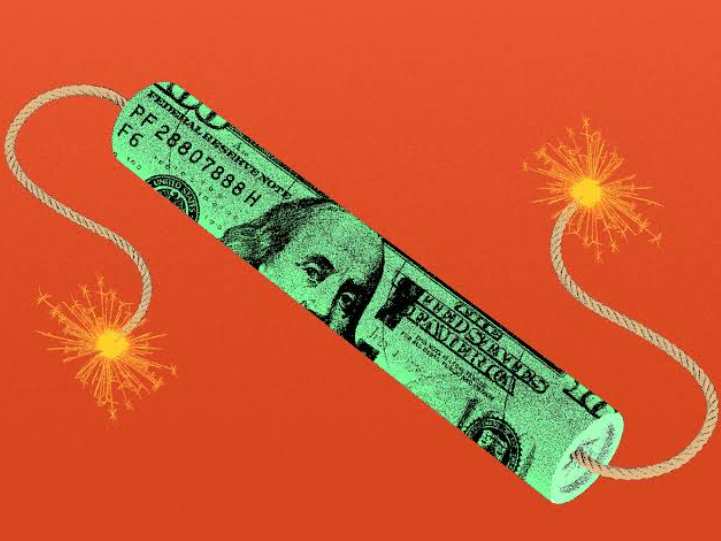
The United States economy faces an oncoming economic double-whammy as consumer spending begins to show clear signs of slowing down simultaneously with the Federal Reserve implementing interest rate hikes. According to economic reports published in September 2026, consumer demand is exhibiting distinct deceleration trends across multiple core retail and commercial sectors. This slowdown coincides directly with the Federal Reserve's monetary policy adjustments, which include raising benchmark interest rates during its policy meeting. Financial analysts note that the simultaneous occurrence of decelerating consumer spending and higher borrowing costs creates a compounding drag on broader economic growth. Households across the United States are currently navigating multiple financial pressures, including elevated consumer prices, persistent inflation, and rising energy expenses. Diesel prices and crude oil valuations have fluctuated significantly near historic highs, adding further strain to manufacturing, logistics, and operational supply chains. Economists from major financial institutions have highlighted these compounding variables as critical pressure points for the real economy. While consumer spending historically drives a significant share of U.S. economic activity, mounting financial constraints have forced a portion of households to curb discretionary outlays.
By Neha R. | JQJO News
Timeline of Events
- On July 29, 2023, the Federal Reserve concluded its previous post-pandemic monetary tightening cycle.
- On May 1, 2026, Kevin Warsh officially assumed office as the new Federal Reserve chair.
- On June 16, 2026, the central bank released quarterly economic projections anticipating stable rates.
- On July 29, 2026, three policymakers dissented at the FOMC meeting favoring immediate hikes.
- On August 28, 2026, Fed Chair Kevin Warsh delivered a hawkish speech at Jackson Hole.
- On September 16, 2026, the Federal Open Market Committee voted unanimously for rate hikes.
- On September 16, 2026, the Federal Reserve raised benchmark rates to 3.75 percent.
- On September 17, 2026, financial markets adjusted asset valuations following the policy announcement.
- On September 18, 2026, commercial banks updated consumer loan and mortgage pricing structures.
- On September 20, 2026, analysts evaluated upcoming third-quarter retail data and inflation metrics.
News Intelligence
- Immediate US impact: Borrowing costs rise nationwide as consumer loan interest rates increase.
- Possible long-term US impact: Higher borrowing costs may gradually cool business expansion and consumer demand.
- Most affected groups: American consumers, mortgage holders, commercial banks, and corporate borrowers face impacts.
- Priority Action: Monitor official Federal Reserve statements, financial disclosures, and consumer price reports.
- Articles Published:
- 24
- Right Leaning:
- 0
- Left Leaning:
- 3
- Neutral:
- 21
- Distribution:
- Left 13%, Center 88%, Right 0%
Left: Emphasizes potential risks to employment and consumer credit access. Center: Reports policy details, official data, and economic forecasts neutrally. Right: Highlights necessary action against inflation and fiscal discipline.
Federal Open Market Committee announced a 25 basis point rate hike on September 16, 2026. https://www.federalreserve.gov/newsevents/pressreleases/monetary20260916a.htm
Coverage of Story:
From Left
Fed moves to cool economy with quarter point rate increase
The Washington Post The New York Times SfchronicleFrom Center
Fed raises rates by 25 basis points in policy shift
Reuters Bloomberg The Wall Street Journal Cnbc AP News Ft Marketwatch Politico Chicagotribune Houstonchronicle Dallasnews Miamiherald Seattletimes Detroitnews Azcentral Startribune Cleveland Stltoday Business Insider Wall Street Journal ReutersFrom Right
No right-leaning sources found for this story.


Comments