US Universities Rush to Train Chip Engineers
PUBLISHED Sep 18, 2026, 6:45 AM ET
Read, Watch or Listen
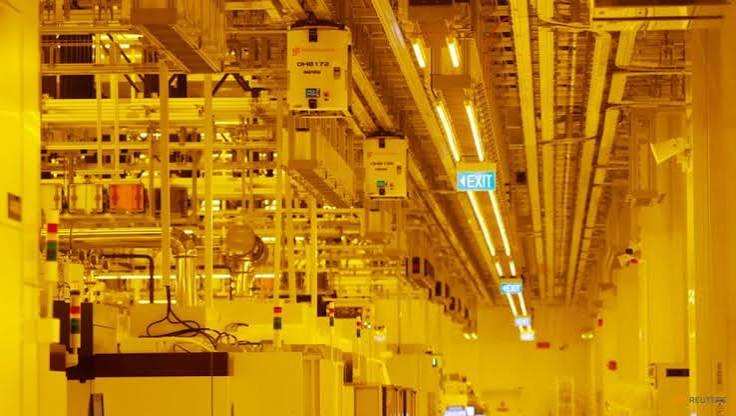
Universities across the United States are aggressively expanding manufacturing and semiconductor training programs to meet surging domestic labor demands. The shift comes as the United States undergoes its fastest chip fabrication expansion in history, fueled by infrastructure investments and the national race to scale hardware capacity for artificial intelligence workloads. Major fabrication facilities operated by Taiwan Semiconductor Manufacturing Company and Intel have commenced high-volume production of advanced logic chips at new plant sites in Arizona. Simultaneously, Samsung is preparing to initiate production at its new multi-billion-dollar fabrication complex in Taylor, Texas. With traditional software engineering roles facing contraction amid automation shifts, educational institutions including Arizona State University and Purdue University are positioning semiconductor engineering as a primary career alternative for graduates. Industry data indicates that entry-level roles in United States semiconductor fabrication typically range from $127,000 to $187,000 annually, with senior technical positions exceeding $238,000. However, domestic employers continue to face severe competition for specialized talent from international markets, particularly South Korea, where chip manufacturers offer substantial executive bonuses.
By Shahbaz A. | JQJO News
Timeline of Events
- On January 10, 2024, federal officials announced funding initiatives for domestic semiconductor manufacturing.
- On August 15, 2024, Taiwan Semiconductor Manufacturing Company finalized facility timelines for Arizona plants.
- On November 20, 2024, Samsung outlined production schedules for its Texas fabrication facility.
- On February 10, 2025, enrollment surges were recorded in university microelectronics and hardware programs.
- On May 14, 2025, industry analysts projected a significant deficit in qualified microchip fabrication specialists.
- On September 02, 2025, several universities launched specialized cleanroom laboratories for student engineering training.
- On December 12, 2025, chip manufacturers reported heightened international competition for senior semiconductor engineering talent.
- On March 04, 2026, entry-level salary benchmarks for semiconductor roles exceeded previous historical market averages.
- On June 18, 2026, Arizona State University expanded curriculum partnerships with major domestic foundry operators.
- On September 18, 2026, universities nationwide formalized accelerated semiconductor training tracks to supply fabrication plants.
News Intelligence
- Immediate US impact: Accelerates domestic semiconductor production capacity by supplying trained regional engineering labor.
- Possible long-term US impact: Secures long-term technological independence and supply chain resilience for America.
- Most affected groups: University engineering students, academic institutions, domestic fabrication plants, and hardware manufacturers.
- Reader priority: Prioritize verified industry reports over speculative commentary across outlets.
- Articles Published:
- 17
- Right Leaning:
- 0
- Left Leaning:
- 1
- Neutral:
- 16
- Distribution:
- Left 6%, Center 94%, Right 0%
Left: Highlights systemic industrial policy impacts and public funding alignment. Center: Focuses objectively on shifting educational trends and labor market dynamics. Right: Emphasizes market-driven career shifts and high-paying private sector opportunities.
Universities across America expand semiconductor training programs amid surging labor demand. https://timesofindia.indiatimes.com/technology/tech-news/as-software-engineering-jobs-go-down-universities-across-america-are-preparing-engineers-for-roles-in-/articleshow/134313851.cms
Coverage of Story:
From Left
A silicon shift: How universities are rushing to staff America's new microchip fabs
New York TimesFrom Center
As software engineering jobs go down universities across America are preparing engineers for roles in
Times of India Reuters Associated Press Bloomberg Wall Street Journal Financial Times Washington Post USA Today Politico Axios Forbes San Francisco Chronicle Phoenix Business Journal Austin American-Statesman Dallas Morning News Silicon Valley Business JournalFrom Right
No right-leaning sources found for this story.






Comments