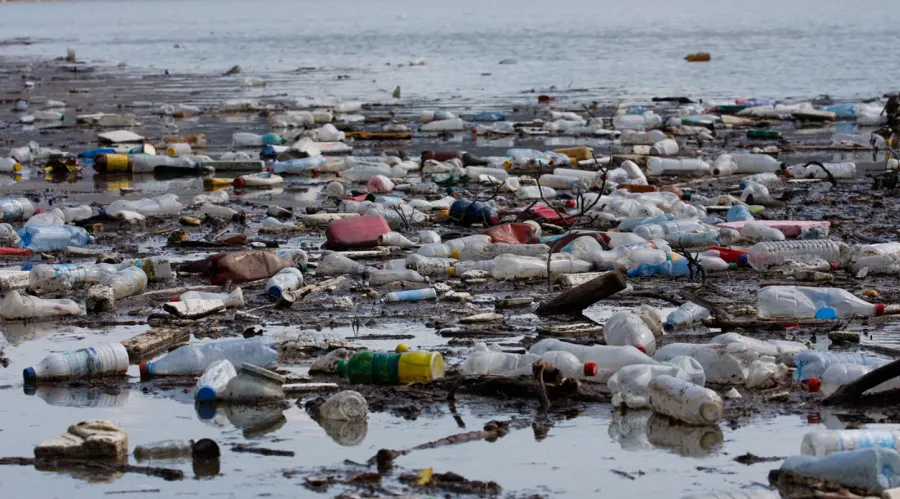
Rivers Flood Oceans With Microplastics
Tap title to read story
New environmental research reveals that global river systems are discharging an unprecedented volume of microplastic particles directly into marine ecosystems. High concentrations of consumer plastic waste combined with intense seasonal rainfall and elevated solar radiation are accelerating the breakdown of debris into toxic microscopic fragments across major watersheds. Scientific teams monitoring coastal estuaries and river basins report that synthetic polymer particles are infiltrating aquatic food webs at alarming rates. High plastic use and widespread waste mismanagement remain the primary drivers behind the continuous surge of pollutants moving from inland population centers into open oceans. Environmental protection agencies warn that the persistent accumulation of microplastics poses severe long-term risks to marine biodiversity and human seafood safety. Researchers stress that unless waste infrastructure undergoes aggressive structural reform, the volume of synthetic particles entering coastal waters will continue to escalate exponentially.
More context
Timeline
- On January 15 2026 Researchers initiated coastal watershed sampling across major river basin estuaries.
- On March 22 2026 Global marine protection agencies documented rising plastic particle discharge volumes.
- On June 10 2026 Intense summer solar radiation accelerated breakdown of consumer plastic waste.
- On September 17 2026 Scientific teams published new findings on river microplastic ocean discharge.
- On September 17 2026 Environmental agencies warned about severe long-term marine biodiversity risks.
- On September 17 2026 Researchers highlighted synthetic polymer particle infiltration into aquatic food webs.
- On September 17 2026 Experts emphasized the urgent need for aggressive waste infrastructure reform.
- On September 17 2026 Policy analysts reviewed regulatory measures governing single-use plastic waste management.
- On September 17 2026 Public health advocates raised concerns regarding human seafood safety impacts.
- On September 17 2026 Coastal monitoring stations tracked exponential surges of synthetic debris particles.
Why it matters
Immediate US impact: Heightened public awareness regarding coastal water and seafood safety risks. Possible long-term US impact: Stricter federal waste management infrastructure and plastic manufacturing regulations. Most affected groups: Coastal communities, commercial fisheries, marine wildlife, and packaging manufacturers. Reader priority: Monitor environmental agency reports and municipal waste recycling guidelines.
Coverage notes
Left: Emphasizes systemic regulatory failures and corporate plastic production accountability. Center: Reports scientific research findings, data metrics, and ecological impacts objectively. Right: Focuses on infrastructure investments, economic costs, and technological waste solutions.
Primary report
New environmental research reveals global rivers discharging unprecedented microplastic volumes.
Sources
JQJO Editorial Desk · Human reviewed · AI assisted. Report a correction.