How Trump’s war on EVs derailed America’s auto-factory revival
Tap title to read story
President Donald Trump's return to office and aggressive rollback of clean-energy policies have severely disrupted the domestic electric vehicle manufacturing boom. The administration's elimination of the seven-thousand-five-hundred-dollar federal tax credit, alongside looser tailpipe emission rules and strict new trade and immigration restrictions, has triggered widespread project cancellations. A comprehensive industry analysis indicates that nearly twenty billion dollars in EV-related projects were canceled, jeopardizing approximately twenty-seven thousand prospective manufacturing jobs, predominantly across Republican-leaning heartland states. Compounded by sluggish retail demand and high component tariffs, traditional automakers have pivoted capital away from battery-electric platforms toward internal combustion engines and alternative energy-storage facilities. Industry observers note that while these regulatory shifts align with executive objectives to promote consumer choice and lower corporate compliance costs, they risk ceding long-term technological leadership and global market share to foreign competitors, particularly China, as domestic supply-chain investments stall across the United States.
More context
Timeline
- On January 20 2025, President Donald Trump officially assumed office and initiated executive actions.
- On January 20 2025, the administration began rolling out plans to dismantle clean energy mandates.
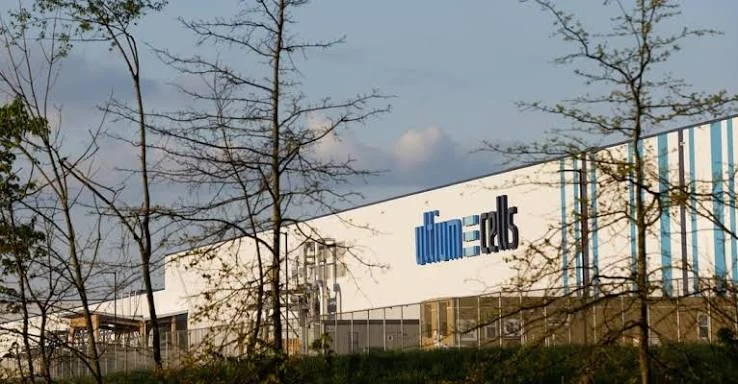
- On January 20 2025, Lordstown Ultium Cells battery plant in Ohio halted production indefinitely.
- On May 15 2025, auto analysts tracked mounting project cancellations across the American Battery Belt.
- On September 30 2025, the federal electric vehicle tax credit officially expired nationwide.
- On October 15 2025, General Motors and LG joint venture issued formal layoff notices.
- On December 18 2025, Ford announced substantial financial write-downs and strategic retooling adjustments.
- On January 15 2026, federal labor data confirmed a contraction in domestic automotive manufacturing jobs.
- On August 30 2026, cumulative canceled EV investments approached the twenty billion dollar threshold.
- On September 16 2026, Reuters published a comprehensive investigative report detailing industry-wide manufacturing setbacks.
- Coming months will reveal whether redirected factory capacity stabilizes employment across the industrial heartland.
- Coming years will test if U.S. automakers can compete globally without domestic EV incentives.
Why it matters
Immediate US impact: Domestic EV investments stalled, threatening jobs across Republican heartland states. Possible long-term US impact: United States risks losing global automotive competitiveness to foreign manufacturing leaders. Most affected groups: Manufacturing workers, auto executives, battery suppliers, and heartland communities. Reader priority: Compare original regulatory data, financial filings, and industry reports across platforms.
Coverage notes
Left: Emphasizes environmental damage, lost green jobs, and ceding global technology leadership. Center: Focuses objectively on economic data, plant closures, regulatory changes, and market shifts. Right: Highlights regulatory relief, consumer choice restoration, and protection against foreign market distortions.
Primary report
Reuters published an investigation detailing EV factory rollbacks and job losses.
Sources
JQJO Editorial Desk · Human reviewed · AI assisted. Report a correction.