House Set to Vote on Ratepayer Protection Act to Curb AI Data Center Utility Costs
Tap title to read story
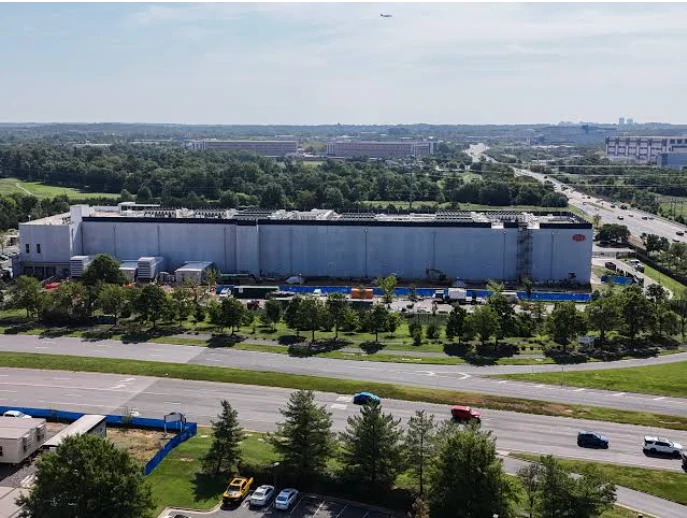
The United States House of Representatives prepares to vote on the bipartisan Ratepayer Protection Act to address surging electricity costs linked to artificial intelligence data centers. Introduced by Representatives Gabe Evans and Kathy Castor, the legislation establishes federal standards allowing state utility regulators to mandate that large data centers consuming over one hundred megawatts cover the full cost of new power generation, transmission lines, and grid infrastructure. Lawmakers advanced the measure amid mounting voter anxiety over household utility bill increases ahead of the November 20th midterm elections. While major technology companies previously signed a voluntary White House pledge to fund infrastructure upgrades, critics argue the bill remains limited because implementation is optional for states. The legislation passed the House Energy and Commerce Committee in July by a unanimous vote and moves to the floor under a suspension of the rules.
More context
Timeline
- On March 4, 2026, President Trump introduced the voluntary Ratepayer Protection Pledge.
- On June 19, 2026, Representatives Evans and Castor introduced the Ratepayer Protection Act.
- On July 21, 2026, the House Energy and Commerce Committee reported the bill.
- On September 15, 2026, policy analysts highlighted political pressures facing congressional co-sponsors.
- On September 16, 2026, the House scheduled a floor vote under suspension rules.
- On November 3, 2026, voters will decide congressional outcomes amid utility cost debates.
- In coming months, state utility commissions may evaluate adopting new cost-allocation standards.
- Throughout 2027, large tech corporations face potential decisions regarding infrastructure financing obligations.
- Over the next year, consumer advocacy groups will monitor residential electricity bill fluctuations closely.
- By 2028, federal lawmakers expect continued legislative battles over national artificial intelligence energy demands.
Why it matters
Immediate US impact: House vote addresses rising electricity costs from AI data centers. Possible long-term US impact: Federal standards could permanently shift grid infrastructure costs to tech. Most affected groups: Residential consumers, utility ratepayers, and major technology corporations. Reader priority: Track legislative roll call votes and state utility commission announcements.
Coverage notes
Left: Emphasizes bill limitations and calls it handouts to big tech. Center: Reports bipartisan legislative mechanics and consumer utility cost protections neutrally. Right: Highlights administration leadership securing corporate commitments for infrastructure investments.
Primary report
House schedules floor vote on Ratepayer Protection Act today.
Sources
- Food and Water Watch
- The New Republic
- Center for American Progress Action
- Traders Union
- Environment Energy Leader
- Associated Press
- Politico Pro
- Official House Publication
- Congress Representative Site
- Every CRS Report
- Super Lawyers
- Financial Times
- Bloomberg Sponsored
- Bloomberg Professional
- Goldman Sachs Research
- Cleanview
- Reuters
- The Hill
- USA Today
- Reuters Energy
- Bloomberg News
- White House Press Office
- Washington Examiner
- Wall Street Journal
JQJO Editorial Desk · Human reviewed · AI assisted. Report a correction.