The T. rex had a body temperature similar to our own, study finds
Tap title to read story
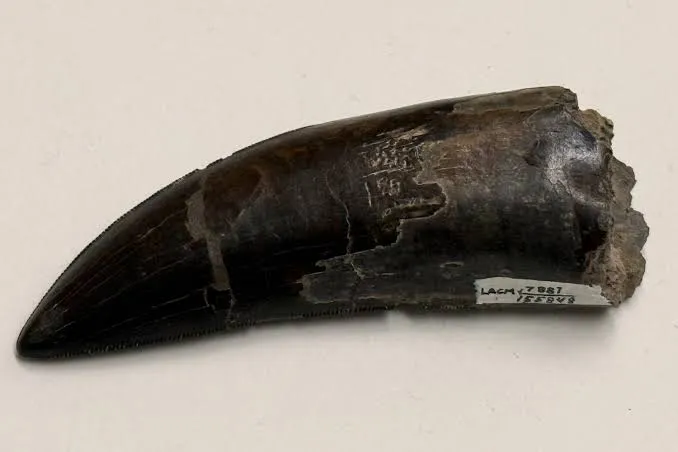
Researchers at the University of California, Los Angeles, have determined that the Tyrannosaurus rex maintained an average internal body temperature of approximately 36.3 degrees Celsius, or 97.3 degrees Fahrenheit. Published on September 16, 2026, in the journal Science Advances, the study provides the first direct chemical measurement of a dinosaur's core temperature. Led by geobiologist Robert Eagle and geochemist Aradhna Tripati, the team analyzed rare carbon and oxygen isotope bonds within fossilized tooth enamel provided by the Natural History Museum of Los Angeles County. By examining specimens including the T. rex skeleton known as Thomas, researchers found the temperature closely mirrors that of modern humans and elephants. This reading sits significantly higher than coexisting cold-blooded crocodilians from the same Hell Creek Formation in Montana, supporting long-standing theories that the apex predator possessed warm-blooded traits and could inhabit cooler, high-latitude regions.
More context
Timeline
- On June 16 2014 Researchers developed early isotopic techniques requiring excessive bone samples.
- On January 10 2018 Laboratory teams reduced material requirements for fossil enamel testing.
- On March 15 2022 Yale researchers analyzed bone metabolic byproducts to study dinosaur rates.
- On August 20 2025 UCLA researchers partnered with museum curators to secure tooth fragments.
- On September 16 2026 Scientists published direct temperature findings in the journal Science Advances.
- On September 17 2026 Paleontologists and media outlets reported widespread implications for dinosaur ecology.
- Researchers plan to apply enamel isotope methods to other prehistoric species.
- Paleontologists will revise global dinosaur distribution and habitat range models.
- Enhanced thermometry tools will reshape evolutionary physiology and paleoclimate studies.
- Scientists aim to clarify exact metabolic mechanisms driving large-body endothermy.
Why it matters
Immediate US impact: Public awareness of dinosaur physiology and metabolic science increases significantly. Possible long-term US impact: Advanced paleothermometry methods will transform global evolutionary biology research standards. Most affected groups: Museums, paleontologists, academic institutions, and science education sectors are most affected. Reader priority: Readers should prioritize peer-reviewed journals and verified institutional press releases.
Coverage notes
Left: Scientific outlets emphasized evolutionary links to birds and ecological impacts. Center: Reports focused directly on measured temperature data and UCLA methodology. Right: Coverage highlighted historical predator capabilities and expanded North American ranges.
Primary report
UCLA researchers published dinosaur tooth enamel temperature findings on September sixteen.
Sources
JQJO Editorial Desk · Human reviewed · AI assisted. Report a correction.